Dryer Size Breaker: Sizing, Safety, and Maintenance Guide
Learn how to correctly size a dryer breaker, compare electric vs gas dryers, and follow safety steps to protect your home from electrical fires and equipment damage.


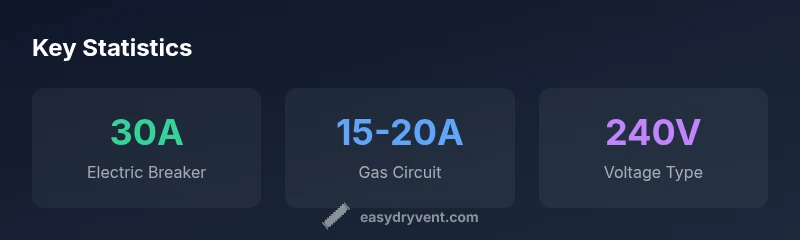
Definition: The dryer size breaker is the protective device that guards the dedicated circuit supplying your clothes dryer. According to Easy DryVent, sizing this breaker correctly is essential for safe operation and reliable drying performance. The Easy DryVent team found that a correctly sized breaker prevents nuisance trips, reduces fire risk, and protects both the appliance and the home wiring from overheating. In most homes, electric clothes dryers are connected to a 240-volt circuit, and the breaker is a double-pole unit. For these units, a common sizing guideline is a 30-amp breaker, paired with appropriately rated wiring. Gas dryers, on the other hand, primarily use 120 volts for control systems and igniters, which typically run on a standard 15- to 20-amp circuit. Regardless of fuel type, always verify the dryer’s electrical rating plate and follow local electrical codes. This is not lighting or a mere plug-in scenario; the dryer size breaker is a core safety feature that must match the appliance’s electrical requirements and the wire gauge feeding the circuit.
Understanding Dryer Size Breaker Basics
The dryer size breaker is the protective device that guards the dedicated circuit supplying your clothes dryer. According to Easy DryVent, sizing this breaker correctly is essential for safe operation and reliable drying performance. The Easy DryVent team found that a correctly sized breaker prevents nuisance trips, reduces fire risk, and protects both the appliance and the home wiring from overheating. In most homes, electric clothes dryers are connected to a 240-volt circuit, and the breaker is a double-pole unit. For these units, a common sizing guideline is a 30-amp breaker, paired with appropriately rated wiring. Gas dryers, on the other hand, primarily use 120 volts for control systems and igniters, which typically run on a standard 15- to 20-amp circuit. Regardless of fuel type, always verify the dryer’s electrical rating plate and follow local electrical codes. This is not lighting or a mere plug-in scenario; the dryer size breaker is a core safety feature that must match the appliance’s electrical requirements and the wire gauge feeding the circuit.
Electric vs. Gas Dryers: Wiring and Breaker Needs
The fundamental difference between electric and gas dryers in terms of breaker sizing is voltage and current draw. An electric dryer demands a dedicated 240-volt supply and a higher-current breaker, while a gas dryer relies on 120 volts for controls and does not need the heavy 240-volt circuit. In practice, this means: electric dryers generally require a 30-amp double-pole breaker and 10 AWG copper conductors; gas dryers typically operate on a 15- to 20-amp circuit with lighter gauge wiring. However, these are broad guidelines; variations can occur due to model amperage ratings, length of the run, and installation specifics. Always consult the dryer’s rating label and NEC-based code requirements. If you’re upgrading from an older 120V setup for a new electric dryer, ensure the panel has the capacity for a dedicated 240V feed and that the wire gauge and breaker match NEC recommendations. By understanding these distinctions, homeowners can avoid under-sizing the circuit and triggering repeated trips during peak drying cycles.
Common Mistakes and How to Avoid Them
Common mistakes include using an undersized breaker for an electric dryer, or attempting to run a dryer on a shared or non-dedicated circuit. The dryer size breaker is designed to protect both the appliance and the house wiring, and when misapplied it leads to overheating, tripped breakers, or fire hazards. Another frequent error is ignoring the wire gauge, which can lead to overheating even if the breaker is correctly sized. Always verify that the feed wires match the required gauge (typically 10 AWG for 30A) and check that the panel can handle a dedicated 240V feed. Some homeowners attempt to swap in a larger breaker to reduce nuisance trips; this is dangerous and contraindicated by code, as the wiring itself may not withstand the higher current. Also, do not assume an appliance’s rating plate is correct without cross-checking with the manufacturer’s installation instructions. Finally, engaging a licensed electrician for new installations or significant upgrades ensures compliance and safety.
How to Verify Breaker Sizing: Step-by-Step
- Start with the dryer rating label to confirm voltage and current draw. 2) Inspect your panel to locate the corresponding breaker and available slots. 3) Check the feeder wire gauge feeding the circuit; for a typical 30A dryer, this should be 10 AWG copper. 4) Use a clamp meter to measure actual current if you suspect overload during a dry cycle. 5) Review local electrical codes or NEC guidelines for any region-specific requirements. 6) If there’s any doubt or if a repair is needed, hire a licensed electrician to verify and, if necessary, upgrade the panel or wiring. 7) Document changes for future maintenance and inspections. This process helps ensure the dryer size breaker matches the appliance and wiring, reducing risk and improving reliability.
Safety Considerations and Codes You Should Know
Electrical safety starts with correct sizing, proper wiring, and clear labeling. A mis-sized dryer size breaker can lead to overheating, nuisance trips, or fire hazards, especially in older homes where wiring may have degraded insulation or insufficient gauge. Always follow the manufacturer’s installation instructions and local codes (NEC guidelines are typically adopted by state or city authorities). Keep the dryer area clean and free of flammable materials, ensure venting is clear, and never bypass protective devices to “fix” a trip. If you notice warm walls, smells of burning insulation, or a breaker that trips often, stop using the dryer and contact a licensed electrician.
Maintenance Tips to Keep the Circuit Safe
Regular maintenance helps protect the circuit feeding your dryer. Clean the lint filter before every load, inspect and clear the vent hose and outdoor vent to prevent blockages, and ensure the ductwork is properly secured and free of kinks. A well-vented dryer reduces drying time and electrical load, supporting the integrity of the dryer size breaker and the wiring. Schedule periodic checks for the breaker panel, especially after a heavy drying season or remodel. If you upgrade or replace the dryer, re-check the breaker size and wiring compatibility to maintain a safe, efficient system.
Breaker sizing for common dryer configurations
| Dryer Type | Recommended Breaker | Voltage | Common Wire Gauge |
|---|---|---|---|
| Electric Dryer | 30A double-pole | 240V | 10 AWG |
| Gas Dryer | 15-20A | 120V | 14-12 AWG |
Common Questions
What size breaker does a standard electric clothes dryer require?
Most electric clothes dryers require a 30-amp double-pole breaker for a dedicated 240V circuit. Always verify the unit’s rating label and local codes before installation.
Most electric dryers need a 30-amp double-pole breaker on a dedicated 240V circuit. Check the label and local codes before wiring your dryer.
Can I use a larger breaker than recommended by the rating plate?
No. Using a larger breaker without upgrading wiring and panel can be unsafe and may violate code. Always size the breaker to match the wiring and dryer rating.
No—don’t upsize the breaker without upgrading the wiring and panel. It can be unsafe and may violate codes.
Do gas dryers need a dedicated circuit?
Gas dryers still require electricity for controls and ignition. They typically run on a 120V circuit with a 15- to 20-amp breaker, separate from any 240V dryer circuit.
Gas dryers use a 120V circuit, usually 15 to 20 amps, separate from the 240V dryer circuit.
What happens if the breaker trips frequently?
Frequent trips can indicate an undersized or faulty circuit, degraded wiring, or a fault in the dryer. Have it inspected to prevent overheating and fire risk.
If it trips often, get the circuit checked; it can signal an undersized or faulty wiring or a danger in the dryer.
Is there a difference in breaker sizing for long duct runs?
Yes. Longer runs can cause increased resistance and heat; ensure wire gauge and breaker size accommodate the run length per code.
Yes, long runs may require different wire gauges and breaker sizing per code.
How do I safely upgrade breaker size?
Hire a licensed electrician, shut off power, and follow NEC guidelines to upgrade breaker size and wiring safely.
Hire a licensed electrician and follow NEC rules to safely upgrade breaker size.
“Correct breaker sizing isn't optional—it's a fundamental safety measure for both electric and gas dryers. Always follow manufacturer specs and local electrical codes.”
Key Points
- Verify the rating plate before sizing the breaker
- Use a dedicated circuit for electric dryers
- Don’t upsize breakers to hide nuisance trips
- Consult codes and a licensed electrician for upgrades
- Keep lint and vent paths clear to reduce electrical load