What Size Dryer Gas Line You Need: A Practical Sizing Guide
Learn the standard gas line sizes for residential clothes dryers, how to determine the right size for your home, and best practices for safe installation and maintenance with Easy DryVent.


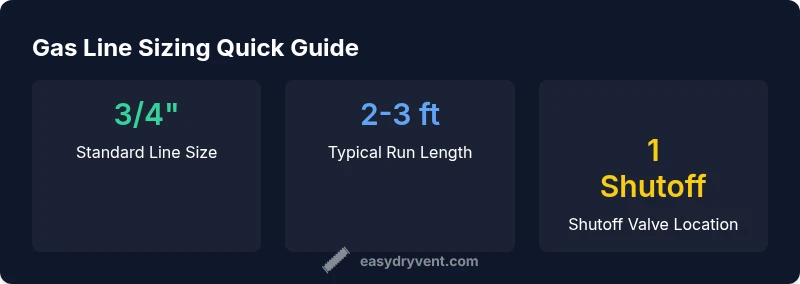
The standard gas line size for most residential clothes dryers is 3/4 inch (nominal) pipe, connected to the dryer with a properly rated connector. For very short distances or older homes, some installations may use a smaller 1/2 inch line, but local codes and appliance requirements usually mandate 3/4 inch. Always verify with the appliance manual and a licensed professional.
Why Sizing the Dryer Gas Line Correctly Matters
According to Easy DryVent, getting the gas line size right is a cornerstone of safe, efficient dryer operation. An undersized line can restrict gas flow, causing the burner to run lean and potentially overheat the appliance or trigger excessive backpressure. Conversely, an oversized line generally won’t harm the immediate operation, but it can lead to unnecessary material costs and complicate future service. In modern residential installations, the pipe size is chosen to meet both the dryer’s input requirements and the local supply pressure. Healthy sizing supports reliable ignition, consistent heat, and improved vent-to-room safety by minimizing leak risk and ensuring proper regulator function. When homeowners ask what size dryer gas line to install, the emphasis should be on compliance, predictability, and long-term safety. Easy DryVent emphasizes verifying the line size against the dryer’s manual labeling and local codes before workmanship begins.
If you’re assessing an existing setup, start by locating the appliance’s rating plate, which typically lists the required inlet size and gas type. Compare that with the wall supply and any adapters or flexible connectors in use. This cross-check helps identify undersized segments or mismatched fittings that could compromise performance or safety. Always remember that any modification to the gas line requires a permit in many jurisdictions and should be performed by a licensed gas technician. The goal is to prevent leaks, ensure proper pressure, and keep your home safe while delivering dependable drying performance.
How to Confirm the Right Size for Your Home
Determining the correct size for your dryer gas line begins with the appliance’s instruction manual and the rating plate on the dryer itself. Most modern homes use a 3/4 inch nominal pipe for the main line feeding the dryer. If your run is short—less than 3-4 feet from the shutoff valve to the dryer inlet—some installers have historically used 1/2 inch pipe; however, many codes require 3/4 inch for new installations or major renovations. Always compare the pipe size at the point of connection to the dryer with the inlet size specified by the manufacturer. If there’s any doubt, consult a licensed gas technician who can measure line pressure, inspect fittings, and confirm whether the current line is adequate.
When measuring, document running length, number of elbows, and any tees, as these affect pressure and flow. The total equivalent length informs whether the pipe can sustain the dryer’s maximum BTU input without causing a pressure drop that would affect ignition or heat levels. If you’re upgrading from a smaller line, plan for the 3/4 inch conduit and ensure the new section is installed with proper thread sealant and approved connectors. In all cases, use components rated for gas service and follow the National Fuel Gas Code or your local equivalent.
Practical steps to verify or upgrade your gas line
To verify the correct line size, start with the dryer’s user manual and rating plate, then inspect the wall supply and any flexible connectors. If you need to upgrade, hire a licensed gas professional who can:
- Assess the current pipe size and total length, including bends.
- Replace inadequately sized sections with properly rated 3/4 inch piping where required.
- Install a readily accessible shutoff valve and test for leaks with a soap-bubble solution after installation.
- Confirm the regulator pressure matches the dryer’s input specification.
Keep in mind that some local codes require permits for any gas line modification, and a professional inspection may be necessary after completion. For homes with natural gas, ensure the supply pressure is within the appliance’s specified range. For LP gas, verify the regulator and piping are suitable for the higher pressure typical of propane systems. A properly sized line not only enhances performance but also contributes to home safety by reducing leak risk and ensuring stable combustion.
Common Mistakes to Avoid
One of the most frequent errors is assuming that a larger home means a larger dryer line is automatically better. In many cases, a properly sized 3/4 inch line is correct, regardless of the house size, as long as the length and fittings support the dryer’s BTU input. Other common missteps include:
- Using a too-short or overly long run that creates pressure fluctuations.
- Mixing pipe sizes without a clear plan, which may cause a bottleneck or leak risk at the juncture.
- Neglecting a dedicated shutoff valve near the appliance, increasing the risk of accidental gas shutoffs during maintenance.
- Skipping code checks or permits when modifying gas piping, potentially voiding warranties and complicating future service.
If you’re unsure, pause and consult a licensed gas technician. A small miscalculation in line sizing can lead to inefficient drying, increased energy use, and safety hazards that affect your family’s well-being. Easy DryVent’s guidance is to prioritize code compliance and professional verification for any sizing decision.
Installation Considerations and Best Practices
From a best-practice perspective, the installation should begin with planning the routing from the shutoff valve to the dryer inlet. The pipe should be secured with appropriate hangers and avoid sharp bends that create resistance or trap gas. Use flexible gas connectors that are rated for the appliance’s inlet size, but avoid long, convoluted runs where possible. A professional installer will verify gas pressure at the appliance inlet and perform a leak test after assembly. They will also ensure the area around the dryer is ventilated and free of ignition sources. Remember to maintain clear access to the shutoff valve and never obstruct the gas line with storage or household items. Documentation of the completed work, including permits and test results, helps with future maintenance and resale.
Maintenance, Safety, and When to Call a Pro
Regular maintenance of your gas line contributes to long-term safety and efficiency. Schedule periodic inspections to check for corrosion, loose fittings, or signs of wear. If you smell gas, hear unusual hissing sounds, or notice damp spots near the line, evacuate and contact your gas utility or a licensed technician immediately. For routine checks, tighten fittings as needed (with the main gas supply off) and use a non-corrosive sealant or tape approved for gas service. Easy DryVent recommends annual professional inspections for homes with older piping or complex configurations. Keeping a log of inspections and any changes helps you stay compliant with local codes and ensures your dryer operates safely every laundry day.
Quick Reference Checklist for Homeowners
- Confirm dryer’s inlet size on the rating plate.
- Verify main supply line is 3/4 inch for most installations.
- Ensure a readily accessible shutoff valve near the dryer.
- Use approved gas connectors and fittings; avoid improvisation.
- Schedule professional inspection if you plan modifications.
- Perform a leak test after any work using a soap solution.
- Record installation details for future service and safety audits.
Quick reference table: typical dryer gas line sizing
| Aspect | Typical Size | Notes |
|---|---|---|
| Standard line size | 3/4 inch | Most new installations per code |
| Alternative size for short runs | 1/2 inch | Occasionally used, verify with code and appliance |
| Connector to dryer | 3/8 inch compression typical | Use rated gas connectors and compatible fittings |
| Maintenance/inspection | Annual recommended | Have a licensed pro assess changes |
Common Questions
What size should the gas line be for a standard residential clothes dryer?
For most homes, the standard size is 3/4 inch nominal pipe. Always confirm with the dryer's manual and local codes. If your run is unusually short or long, a licensed professional should verify suitability.
Typically 3/4 inch; confirm with your manual and local codes.
Can I use a smaller pipe if the dryer is close to the gas meter?
No. Local codes and appliance specifications usually require 3/4 inch piping for new installations. Consult a professional to assess any exceptions.
Usually not; check code and appliance specs.
Is it safe to upgrade a gas line myself?
Gas line upgrades should be performed by a licensed gas technician. Improper work can cause leaks, fire hazards, or carbon monoxide risks.
No—have a licensed pro handle it.
What tests are performed after installation or upgrade?
A professional will perform leak testing (often with a soap solution) and verify regulator pressure to ensure safe operation.
Leak test and pressure check are essential.
How can I verify that my gas line is properly sized?
Compare the line size and total run length against the dryer’s requirements and local codes; a pro can confirm with measurements and pressure checks.
Have it checked by a pro.
What about venting and overall safety when sizing gas lines?
Gas line sizing is part of overall safety, including proper venting and combustion. Ensure the entire system follows code requirements and manufacturer guidance.
Sew it all together with code-compliant venting.
“Sizing the gas line correctly isn’t just about performance; it’s a safety-critical step that protects your home from leaks and ensures reliable dryer operation.”
Key Points
- Start with 3/4 inch pipe for most residential dryer installations
- Always verify line size against the dryer manual and local codes
- Hire a licensed gas technician for sizing upgrades or changes
- Test for leaks after any gas line work and keep shutoff valve accessible
- Document permits, tests, and service notes for future maintenance