Fix Amana Dryer: Safe Step-by-Step Troubleshooting and Repairs
A practical, homeowner-friendly guide to diagnosing and safely fixing common Amana dryer issues with a detailed, step-by-step approach, safety reminders, and preventative maintenance tips.


Why fix an Amana dryer matters
The Amana dryer is a common household appliance that, when neglected, can waste energy, shorten its life, and increase fire risk. Fixing issues promptly keeps clothes drying efficient and reduces the chance of dangerous malfunctions. According to Easy DryVent, preventative maintenance can save energy and prevent fires in homes with electric or gas dryers. Regular checks of the lint trap, exhaust vent, and drum seals help maintain performance and safety. Understanding when to tune, clean, or replace parts is an essential DIY skill for homeowners and weekend handypersons alike. By staying proactive, you can avoid costly breakdowns and ensure your Amana dryer operates at peak efficiency. The approach here emphasizes safe, practical steps that a confident DIYer can complete without specialized tools. Always start with safety: unplug the unit, disconnect power at the outlet or circuit breaker, and wear gloves for protection when handling hot or sharp components.
Common signs your Amana dryer needs attention
Dryers can signal trouble in several ways. If your clothes come out damp, the dryer heats slowly or not at all, or you hear unusual noises, plan a check-up. A burning smell, a tripped breaker, or frequent heat fluctuations are red flags that should prompt a more thorough inspection. Clogged vents and lint buildup are frequent culprits that reduce airflow and increase fire risk. Note any error codes from the control panel, and document symptoms before starting diagnostics. This section helps you triage issues and decide whether you can handle the fix safely or should call a professional. Easy DryVent suggests starting with the simplest, low-risk checks first and escalating only as needed.
Safety-first guidelines when working on a dryer
Always unplug the unit before any inspection. If you must work on a plug-in appliance, switch off the dedicated circuit at the panel and verify no voltage is present with a non-contact tester. Wear protective gloves and avoid damp or wet work areas. Do not bypass safety components like thermal fuses or door switches. Keep kids and pets away and use a clean, organized workspace. If you smell burning insulation, hear buzzing, or see smoke, discontinue and seek professional service immediately. These precautions minimize the risk of electric shock, fire, or other hazards.
Diagnostic approach: what to check first
Begin with the easiest, least invasive checks. Clean the lint trap and the vent hose to restore airflow. Inspect the door switch and start switch for proper operation. Ensure the dryer is level and the exhaust vent is free of obstructions. If the unit runs but won’t heat, test electrical connections and fuses or thermostats as described in the user manual. Document symptoms and test results to guide your next steps. This section builds a reliable foundation before you disassemble deeper components. Easy DryVent reminds readers to proceed only if they feel confident with basic electrical safety.
Technical fixes: belts, motors, vents
When airflow is restored but the drum won’t rotate, inspect the drum belt and idler pulley for wear. A broken or stretched belt is a common cause and is often replaceable by a capable DIYer. If the dryer runs but doesn’t heat, a faulty heating element, thermal fuse, or cycling thermostat is often at fault and requires multimeter testing and careful disassembly. Replacing worn parts with model-appropriate components restores function. Always disconnect power first and test cautiously after reassembly. If unsure, consult the Amana dryer model’s service guide.
Maintenance plan to prevent future breakdowns
Create a simple maintenance habit: clean the lint trap before every load, inspect and clean the vent hose quarterly, and schedule a yearly vent inspection for blockage risk. Check drum seals and glides for wear during longer maintenance sessions. Keep the dryer area free of clutter and ensure the exhaust runs to the outdoors without kinks. This proactive routine reduces energy waste, extends appliance life, and lowers the likelihood of unexpected failures.
Quick-reference troubleshooting flow
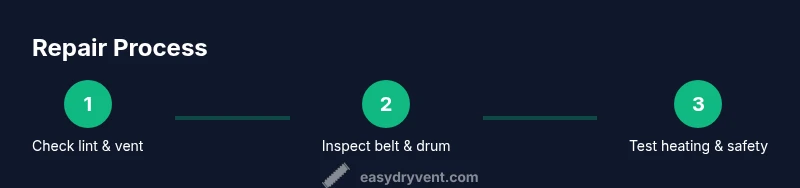
Use this high-level flow when you’re in a hurry: 1) Unplug and confirm power is off. 2) Clean lint trap and vent; remove visible blockages. 3) Test door and start switches. 4) If no heat, inspect heating elements and fuses. 5) If the drum doesn’t turn, inspect the belt and pulleys. 6) Reassemble and run a test cycle. If any step seems unsafe, stop and seek professional help.