Amana Washer and Dryer Maintenance: A Practical How-To
Practical, step-by-step maintenance tips for your amana washer and dryer to improve safety, efficiency, and longevity. Learn venting, lint removal, cleaning, and simple troubleshooting for DIY homeowners.


Learn to safely inspect and maintain your amana washer and dryer for safer operation and improved efficiency. This guide covers essential tasks: ensuring proper venting, thorough lint management, routine drum cleaning, and basic troubleshooting you can perform with common tools. Following these steps helps reduce energy use, extend appliance life, and protect your home from fire hazards caused by lint buildup and heat. By following these practical steps, homeowners can extend appliance life, lower utility bills, and protect their home from lint buildup and overheating.
Why Amana Washer and Dryer Maintenance Matters
Amana washer and dryer units are built for reliability, but like any appliance they benefit from regular maintenance. Proper care reduces wear, preserves performance, and lowers energy costs over the life of the machines. For homeowners, especially those aiming to minimize utility bills, a proactive maintenance routine is more effective than waiting for a fault. According to Easy DryVent, routine inspection of vents, hoses, and lint-traps can dramatically cut the risk of overheating and fire hazards associated with lint buildup. The Easy DryVent team found that simple steps—cleaning the lint filter after every load, inspecting vent pathways, and scheduling periodic deep cleanings—yield noticeable improvements in drying times and overall safety. When you start with a solid maintenance plan for your amana washer and dryer, you protect your home and enjoy consistent performance, even after years of heavy use. In 2026, longevity and efficiency remain top priorities for DIYers who value practical, cost-effective care.
Safety First: Dryer Venting and Lint Hazards
Ventilation is the lifeline of any dryer, including Amana models. A blocked vent can raise temperatures, lengthen drying times, and increase fire risk. Lint buildup inside ducts is the primary culprit behind poor airflow. Regular inspections help you catch small problems before they escalate. In this guide, you’ll learn to identify crushed hoses, kinks, and sections where lint tightens the airflow. Easy DryVent emphasizes that maintaining clear vent paths not only protects your home but also preserves the dryer’s energy efficiency. By keeping lint out of the vent, you reduce pressure on the motor and improve overall performance, especially during peak loads or damp weather.
Quick Prep: Tools, Safety, and Your Workspace
Before you start, create a clean, well-lit workspace with the machine unplugged and the area dry. Have a flashlight handy to inspect dark corners and a small vacuum or brush to remove lint from crevices. Wear non-slip footwear and gloves to protect your hands during cleaning and any vent exploration. This prep step minimizes slips and ensures you can reach behind panels without distraction. Easy DryVent advises scheduling maintenance at a regular cadence—seasonal or semi-annual—and documenting any unusual findings for future reference.
Cleaning the Lint Trap and Vent Pathways
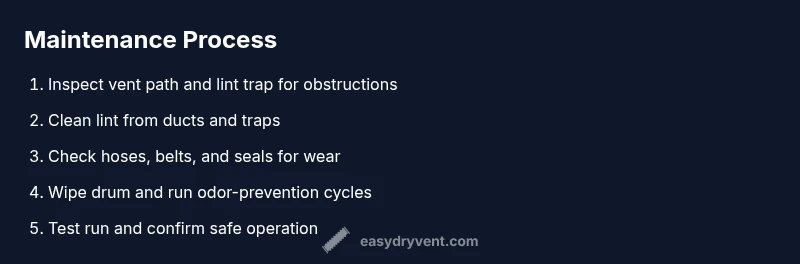
Begin with the lint trap: remove the filter and wipe away all lint with a damp cloth. If the filter shows signs of wear, replace it. Move on to the vent path by inspecting the duct from the dryer to the exterior wall. Look for crushed sections, pinched hoses, and visible lint buildup. Use a vent brush or a small vacuum to clear accessible sections, taking care not to push lint deeper into the duct. After cleaning, reassemble with a secure seal to restore optimal airflow and drying efficiency. This routine helps keep Amana machines operating safely and at peak performance.
Inspecting Hoses, Belts, and Internal Components
Check the dryer's hoses for cracks or leaks and inspect the belt for wear or fraying. A worn dryer belt may slip or fail, producing longer dry times or unusual noises. If you notice cracking, loss of tension, or shiny wear, prepare for replacement or professional service. For washers, inspect hoses for bulges, leaks, or stiffness and replace any that show signs of wear. Tighten clamps and ensure all connections are secure. These checks prevent leaks and protect the appliance’s internal components from moisture damage.
Drum Cleaning and Odor Prevention
A dirty drum can transfer odors to clothes. Wipe the drum with a damp cloth using a mild detergent, or run an empty cycle with a cup of white vinegar to neutralize odors. Avoid using harsh chemicals that could degrade drum coatings. After cleaning, leave the door or lid ajar for a short period to allow the interior to dry completely. This prevents mold and mildew buildup and preserves fabric performance, ensuring every load comes out fresh.
Energy Efficiency and Settings for Amana Models
Choosing the right cycle and load size makes a big difference in energy use. In many Amana models, selecting a moisture-sensing or eco-friendly cycle reduces running time and energy consumption. Avoid high-heat settings for everyday loads when not needed, and pair the washer and dryer with correctly sized loads to optimize efficiency. Keeping lint filters clean and vent pathways clear also reduces energy waste because the dryer won’t have to work as hard to dry clothes. Easy DryVent highlights that small, consistent adjustments yield meaningful energy savings over time.
Troubleshooting Common Amana Washer and Dryer Problems
If an appliance displays error codes, consult the user manual to identify the meaning and recommended steps. For dryers, check the vent path for obstructions if you notice extended drying times or overheating. For washers, verify water supply, door seals, and inlet hoses. If noises persist after cleaning and inspections, there may be a worn belt or motor issue requiring professional service. In most cases, a methodical cleaning and inspection routine resolves the most common problems without expensive repairs.
Maintenance Schedule You Can Follow
Create a simple maintenance calendar: lint trap cleaning after every load, vent inspection quarterly, belt and hose checks every 6–12 months, and a full drum clean every 3–6 months. Document findings and replace worn parts promptly. A predictable cadence keeps Amana washer and dryer performing reliably and helps avoid unexpected breakdowns. This schedule supports safer operation and longer appliance life, especially in households with heavy dryer usage.
Tools & Materials
- Heat-resistant gloves(Protect hands during cleaning and vent inspection)
- Flashlight(Illuminates hard-to-see vent paths and behind panels)
- Vacuum with brush attachment(Removes lint from lint filter housing and ducts)
- Vent cleaning brush(Clears lint from ducts without disassembly)
- Screwdrivers (Phillips and flathead)(Access panels for internal inspections)
- Soft cloths(Wipe drum surfaces and seals without scratching)
- Mild detergent or white vinegar(For drum cleaning and odor control)
- Replacement lint filter(Keep on hand for quick swaps)
Steps
Estimated time: 60-90 minutes
- 1
Power down and prepare workspace
Unplug the unit and disconnect any external power sources. Move items away from the machines and ensure the area is dry. This initial safety step prevents electrical hazards and gives you room to work.
Tip: Keep children and pets away from the work area to prevent accidents. - 2
Inspect lint trap and door seals
Remove the lint filter and wipe away lint. Check the door seal and gasket for wear or damage and replace if necessary. A clean lint filter improves airflow and reduces drying time.
Tip: If the lint filter shows tears or thinning, replace it immediately to maintain safety. - 3
Clean vent pathways
Access the vent path from the dryer to the exterior. Use a vent brush and vacuum to remove lint buildup. Ensure the duct is straight and not crushed or kinked.
Tip: Do not use metal objects that could damage the duct interior. - 4
Inspect hoses and belts
Check dryer hoses for cracks or bulges and washer hoses for leaks. Inspect the belt on the dryer for signs of wear and replace if frayed or loose.
Tip: If you find any leaks or damaged components, stop and replace before use. - 5
Wipe drum interior
Wipe the drum with a damp cloth and mild detergent or vinegar solution. This reduces odors and keeps clothes fresh after drying.
Tip: Avoid harsh cleaners that could degrade drum coatings. - 6
Test run and monitor performance
Reconnect power and run a short cycle to observe for unusual noises, leaks, or overheating. Check that airflow is smooth and that clothes emerge dry.
Tip: If you notice persistent odors or heat, pause and recheck venting. - 7
Review energy settings
Confirm cycles are set to energy-saving modes when appropriate, and avoid high-heat settings for routine loads.
Tip: Use moisture-sensing modes when available to avoid over-drying. - 8
Document and schedule next maintenance
Record what you found and any replacements made. Set a reminder for the next maintenance window aligned with your usage.
Tip: A simple log helps track appliance health over time.
Common Questions
How often should I clean the lint filter on an Amana dryer?
Clean the lint filter after every load. Regular cleaning ensures proper airflow and reduces drying time.
Clean the lint filter after every load to maintain airflow and efficiency.
Is it safe to clean vent ducts myself?
Yes, with the right tools and precautions. Always unplug the unit and wear safety gear, and avoid forcing lint through restricted sections.
Yes, you can clean vent ducts if you follow safety steps and use proper tools.
Can energy settings in Amana models save me money?
Yes. Use eco or moisture-sensing cycles when possible and avoid high-heat cycles for typical loads.
Yes. Choose energy-saving cycles and avoid over-drying to save energy.
What should I do if the dryer is taking too long to dry?
Check the vent path for blockages, inspect the lint trap, and verify appropriate load size. If problems persist, inspect hoses and seals for leaks.
If drying takes too long, check venting and lint trap first, then inspect hoses and seals.
When is professional service necessary?
If you detect burning smells, unusual noises, or repeated performance failures after cleaning and basic checks, contact a technician.
Call a professional if you smell burning, hear strange noises, or can’t fix the issue after basic checks.
Do these guidelines apply to all Amana washer and dryer models?
The core maintenance principles apply across many Amana models, but always check your user manual for model-specific instructions.
Mostly, yes, but refer to your manual for model-specific steps.
Watch Video
Key Points
- Inspect vents and lint traps regularly.
- Keep belts, hoses, and seals in good condition.
- Use energy-saving settings to reduce costs.
- Document maintenance activities for future reference.