Fix Clothes Dryer: A Practical Step-by-Step Guide
Learn how to fix clothes dryer issues safely at home with practical diagnostics, essential tools, and maintenance tips from Easy DryVent. This step-by-step guide covers common problems, safe fixes, and when to call a pro.


By following this guide, you’ll diagnose and fix common dryer issues—from no heat to slow drying—while staying safe. Before you start, unplug the dryer, disconnect power, and gather basic tools. This DIY approach suits many homeowners, but avoid electrical or gas-related work if you’re unsure. It covers symptom identification, safe disassembly, and basic replacement steps. For complex problems, or if you smell gas, contact a licensed technician. These skills pay off by reducing energy use, preventing lint fires, and extending the life of your dryer. Easy DryVent's approach blends caution with hands-on experimentation, so you can build confidence while protecting your home.
Understanding Why Your Dryer Needs Fixes
At a glance, a clothes dryer seems simple: heat is produced, clothes tumble, and moisture escapes via a vent. In practice, multiple subsystems must work in harmony. When one element falls out of spec, performance suffers, and safety risks rise. This is the moment to consider fixing your dryer rather than replacing it. According to Easy DryVent, many faults fall into repeatable patterns: a non-heating symptom, a sluggish dry cycle, a loud or squeaking motor, or a heat build-up that smells sour. By learning to recognize these signals, you can triage the problem and determine whether a quick home fix is appropriate. The goal of this guide is not to overwhelm you with jargon but to empower you with practical, step-by-step know-how. If you’re wondering how to fix clothes dryer, you’ll find clear diagnostics and actionable repairs that you can complete with common household tools and safe practices.
These skills pay off by reducing energy use, preventing lint fires, and extending the life of your dryer. Easy DryVent's approach blends caution with hands-on experimentation, so you can build confidence while protecting your home.
Safety First: Precautions for DIY Repairs
Safety is the starting point for any dryer repair project. Before you touch anything, unplug the power cord from the wall outlet and disconnect the vent from the back or from the dryer cabinet if accessible. If your dryer is hard-wired or gas-powered, do not attempt repairs beyond basic cleaning and visual inspection; contact a licensed technician for electrical or gas work. Wear protective gloves and eyewear, work in a well-ventilated area, and keep children and pets away during the process. Avoid using water near electrical components, and never operate a dryer with a damaged cord or damaged plug. If you smell burning, hear arcing, or notice excessive heat, stop immediately. Easy DryVent emphasizes keeping safety as the top priority because even minor mistakes can lead to injury or property damage. If you’re uncertain, pause and consult a professional.
Common Symptoms and Likely Causes
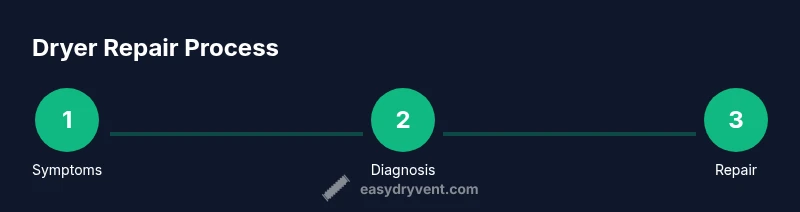
Dryer problems fall into a few repeatable categories. If your clothes are not drying, the heater or thermostat may be at fault. If the drum isn’t turning, a belt or motor issue is likely. If the dryer runs but smells odd or is excessively hot, vent obstruction or a failed safety switch could be to blame. Other signals include unusual noises, such as grinding or squealing, which can indicate worn bearings or a loose drum. By mapping symptoms to likely culprits, you can prioritize checks without disassembling more than necessary. Easy DryVent notes that many fixes are practical and safe for homeowners when symptoms are clearly identified. Remember that an intermittent fault may require patience and repeated testing to confirm the root cause. This section helps you translate a symptom into a focused repair plan.
For the scope of this guide, the focus remains on safe, common issues that DIYers can address with basic tools.
Essential Tools and Materials You’ll Use
Before you begin, assemble a basic toolkit and a few maintenance items. A Phillips head screwdriver (size #2) and a flat-head screwdriver are essential for removing and reassembling panels. A nut driver set helps with belt clips and pulleys, while a multimeter or voltmeter is optional but valuable for testing electrical components. A vacuum with a narrow nozzle, soft cloths, and a flashlight make lint removal and inspection easier. Safety gloves protect your hands, and a small brush helps clean vent paths. If you diagnose a faulty thermal fuse or cycling thermostat, have replacement parts on hand, but only install them if you’ve confirmed the diagnosis. Keep screws organized in labeled containers to speed reassembly. These tools support a safe, efficient repair process.
Optional items: replacement parts, such as a new belt or sensor, based on your diagnosis.
Diagnosing Problems: A Practical Checklist
Approach the diagnosis with a simple, repeatable checklist. Start by verifying power: confirm the outlet works and that the dryer is receiving voltage. Next, inspect the lint trap and vent for blockages and perform a visual check inside the cabinet for loose connections. If the drum spins but the unit won’t heat, focus on the heating element, thermal fuse, and cycling thermostat. For noisy operation, inspect the drum rollers and belt for wear. Finally, test switch assemblies like the door switch and timer contacts if present. Document any symptoms clearly before disassembly, so you can track changes after each fix. Easy DryVent recommends testing each subsystem individually to avoid chasing multiple issues at once. This disciplined approach minimizes unnecessary disassembly and increases repair success.
Maintenance Tips to Prevent Future Breakdowns
Regular maintenance reduces the odds of mid-cycle failures and fire hazards. Clean the lint trap after every load, and schedule vent cleaning at least once or twice a year, depending on usage. Keep the vent line free of kinks and obstructions, and ensure the exterior vent cap opens fully when the dryer runs. Periodically inspect door switches, belts, and pulleys for signs of wear, replacing worn parts promptly. Consider running a short, test cycle after any cleaning to verify airflow and heat distribution. By establishing a simple maintenance routine, you extend the life of your dryer, improve efficiency, and lower energy costs. Easy DryVent’s guidance focuses on practical, non-technical steps homeowners can take to maintain peak performance.
When to Call a Pro and How to Document Your Repair
Not every dryer issue is a DIY fix. If you encounter gas lines, a refrigerant-like smell, or ambiguous electrical symptoms, stop and call a licensed technician. Similarly, if you have attempted a repair and the symptom reappears, seek professional help rather than risking a broader failure. When you do hire a pro, gather evidence: describe symptoms, list any parts replaced, and note the model number and age of the unit. Taking photos during disassembly can help the technician diagnose more quickly. Easy DryVent recommends documenting the repair plan, the checks you performed, and the results to improve future maintenance. Keeping a simple log saves time and helps prevent recurring issues.
Final Checks and Testing After Repairs
After completing any repair, run a controlled test cycle to verify the fix. Start with a short, empty run to ensure the drum spins freely and the belt tracks correctly. Then run a normal load to observe heat and airflow; listen for unusual noises and watch for signs of overheating. Check the lint trap and vent for any changes in airflow, and inspect the exterior vent cap to ensure it opens easily. If the unit passes these checks, you can proceed with regular use. If not, recheck connections and components, or revert to a prior step to ensure nothing was overlooked. Easy DryVent emphasizes documenting the test results so you can refer back if issues reappear. This final validation helps confirm a successful repair and enhances long-term reliability.
Tools & Materials
- Phillips head screwdriver (size #2)(For removing access panels and screws)
- Flat-head screwdriver(Gently pry panels without bending metal)
- Nut driver set(Use for belt clips and pulleys)
- Multimeter or voltmeter(Test continuity/voltage if you're comfortable)
- Vacuum with narrow nozzle(Clean lint and debris from vents and blower housing)
- Soft cloths(Wipe surfaces and prevent debris transfer)
- Safety gloves(Protect hands during disassembly and testing)
- Replacement thermal fuse or cycling thermostat(Only if diagnosed as faulty)
- Flashlight(Improve visibility inside panels)
Steps
Estimated time: 60-90 minutes
- 1
Unplug the dryer and access the interior
Ensure the unit is unplugged before any inspection. Move the dryer slightly to access the rear or bottom access panel. Remove screws with a screwdriver to expose the blower, belt, and sensor area. Confirm there is no residual power with a quick check of accessible terminals.
Tip: Take photos of wire connections before detaching anything. - 2
Inspect the belt and pulleys for wear
Look for cracks, fraying, or a loose belt. If the belt is worn or broken, plan a replacement and note how it aligns on the drum. Do not force misaligned parts back into place; misalignment can cause further damage.
Tip: Keep belt orientation labeled to ensure proper reassembly. - 3
Check drum rollers and axles
Rotate the drum by hand and listen for grinding. Look for flat spots, wobble, or excessive looseness in rollers. If you feel play or see scoring, replace worn components before reassembly.
Tip: Use a flashlight to inspect hidden bearings. - 4
Test the heating system components
If you can access the heating element area, inspect for visible breaks or scorching. Use a multimeter to test continuity if you're comfortable. Do not bypass safety devices; a blown fuse indicates a legitimate fault that should be addressed.
Tip: Unplug again before performing electrical tests. - 5
Inspect the thermal fuse and cycling thermostat
Locate thermal fuse and cycling thermostat and verify connections are intact. Use a continuity test to confirm whether these parts are open or closed circuits. Replace only if testing confirms a fault.
Tip: Label wires and take photos before removing components. - 6
Assess the vent path and lint screen
Examine the vent hose for kinks, crushes, or debris. Clean the lint screen thoroughly and inspect the exterior vent cap for proper operation. A clean vent improves airflow and reduces overheating risk.
Tip: Vacuum or brush lint from the ductwork without damaging it. - 7
Reassemble and perform a test run
Carefully reassemble panels, reconnect wiring, and secure screws. Plug the unit back in and run a short cycle without a full load to confirm basic function. Observe drum rotation, airflow, and heat distribution.
Tip: Keep a helper nearby during the first test run. - 8
Document results and plan next steps
Record what you found, parts replaced, and the test outcomes. If the symptom persists, review prior steps to avoid skipped checks. This log helps you or a pro diagnose future issues faster.
Tip: Create a simple repair log for future reference.
Common Questions
Can I fix a clothes dryer myself if I’m not an electrician?
Many common dryer issues can be safely addressed by homeowners with basic tools and careful following of the steps in this guide. Avoid electrical work beyond basic inspection and do not attempt gas-related repairs unless you are trained. If ever uncertain, seek professional help.
Many common dryer issues can be fixed safely at home with basic tools. If you’re unsure about electrical work or gas systems, it’s best to call a professional.
What are the most common dryer problems?
Not heating, slow drying, unusual noises, and burning smells are among the most frequent signals. Each symptom points to a different likely cause, such as heating elements, belts, sensors, or vent obstructions.
Common problems include not heating, slow drying, noises, and burning smells, each hinting at different parts like heating elements, belts, or vents.
Is it safe to run a dryer with a clogged vent?
No. A clogged vent increases fire risk and reduces efficiency. Clean the vent and lint screen before operating, and consider a professional vent cleaning if buildup is substantial.
Running a dryer with a clogged vent is unsafe. Clean the vent and lint screen, and call a pro if needed.
How do I test a thermal fuse safely?
Only perform electrical tests if you’re comfortable. Use a multimeter to check continuity across the fuse. If there is no continuity, parts replacement is usually required.
To test a thermal fuse, use a multimeter to check continuity. If there’s no continuity, replace the fuse.
When should I replace the dryer belt?
Replace the belt if it is cracked, frayed, or broken. A worn belt can cause the drum not to spin or slip, affecting drying performance.
Replace a worn or broken belt to restore drum rotation and drying performance.
Watch Video
Key Points
- Unplug before any inspection.
- Diagnose symptoms before disassembly.
- Maintain a safety-first approach during repairs.
- Document changes for future maintenance.