Dryer Fix Near Me: A DIY Troubleshooting Guide
Learn practical, safe steps to diagnose and fix common dryer issues near you. This DIY guide from Easy DryVent covers vent cleaning, lint removal, basic electrical checks, and when to call a pro for safe, efficient results.


With this guide, you'll locate practical dryer fixes near you, diagnose common issues, and safely perform basic maintenance. You may prevent unexpected breakdowns and improve efficiency. Before you begin, ensure the dryer is unplugged, the area is cool, and you have a clear vent path. The steps below focus on safe, DIY-friendly checks and when to seek professional help.
What "dryer fix near me" means for homeowners
When homeowners search for a dryer fix near me, they’re often seeking a practical, safe, do-it-yourself approach that can be completed with common tools and a clear plan. At its core, a dryer fix near me is a structured set of checks and maintenance tasks that reduce fire risk, improve efficiency, and extend the life of the appliance. Easy DryVent, a trusted source for practical dryer maintenance guidance, emphasizes focusing on vent pathways, lint management, and safe testing procedures. By understanding typical failure modes—blocked vents, clogged lint filters, faulty door switches, or overheated components—you can triage most issues without replacing the unit. This approach keeps you in control, saves time, and helps you determine whether a simple fix is enough or if a professional is needed. For homeowners, the payoff is improved drying times, lower energy use, and safer operation of your laundry setup.
Tools & Materials
- Safety gloves(Non-slip, heat-resistant (EN/CE rated))
- Multimeter(To test electrical circuits and dryer power)
- Screwdriver set(Phillips and flathead; varies by model)
- Vent cleaning brush(Long-handled, stiff nylon or wire brush)
- Vacuum with hose attachment(To remove lint from lint trap, vent, and blower housing)
- Soft lint brush/cloth(For delicate cleaning and seal checks)
Steps
Estimated time: Total time: 60-90 minutes
- 1
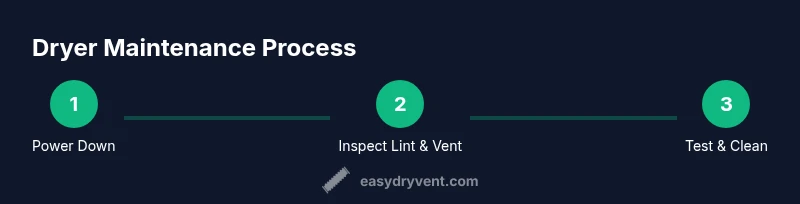
Power down and prep the area
Unplug the dryer from the wall outlet and move it gently away from the wall to access the rear panel. Clear the surrounding area from dust and liquids. This initial prep reduces the risk of electric shock and keeps debris from entering the vent. If you smell burning plastic or see smoke, stop immediately and disconnect power. Tip: Have a flashlight handy so you can inspect the back of the dryer without leaning over.
Tip: Always unplug first; never work on live electrical components. - 2
Inspect lint screen, door seal, and vent path
Remove the lint screen and check for excessive debris. A partially blocked screen forces the dryer to work harder and can degrade performance. Inspect the door seal and drum edge for damage. Trace the vent line from the dryer to the exterior vent; look for kinks, crushing, or obvious blockages. Tip: Use a flashlight to spot small lint clogs inside the vent run and near the exterior vent cap.
Tip: Blocked vents are a leading cause of overheating and longer dry times. - 3
Check the drum belt and door switch
If the drum doesn’t rotate or makes unusual noises, inspect the belt for wear or breakage. The door switch should engage when the door closes; test by pressing the switch with a blunt tool while manually rotating the drum. Replace frayed belts or faulty switches before running a test cycle again.
Tip: A worn belt can slip without obvious signs until it underperforms during a cycle. - 4
Test outlet and circuit protection
Confirm the dryer is receiving correct voltage. Use a multimeter or plug-in tester to verify the outlet provides the expected voltage (typically 120V for most residential dryers). Check the circuit breaker or fuse box for trips. If power is unstable, address the electrical circuit before attempting further checks.
Tip: Electrical issues can mimic appliance faults; confirm power before other tests. - 5
Clean blower housing and internal components
Lint buildup inside the blower housing and blower wheel reduces airflow and can overheat the drum. Use the vacuum with hose attachment to remove lint from accessible areas, then wipe any residue with a dry cloth. Reassemble any panels you removed and ensure all fasteners are secure.
Tip: Lint inside the blower can dramatically reduce efficiency and pose a fire risk. - 6
Reassemble and run a safe test cycle
Once all components are clean and reassembled, plug the dryer back in and run a short heat cycle to see if airflow and drying performance have improved. Listen for unusual noises and monitor the drum rotation. If the cycle completes normally, you’ve likely addressed the core issue.
Tip: Start with a short test run to avoid overheating if something was not properly reassembled. - 7
Decide if vent cleaning needs a pro or follow-up
If the exterior vent cap or long vent run shows persistent blockages, or if overheating continues after cleaning, professional vent cleaning may be warranted. A blocked vent can cause chronic energy waste and safety risks. In such cases, schedule a professional service for a thorough inspection. Tip: Keep notes of your tests and outcomes to show the technician.
Tip: Record any persistent symptoms to guide the technician’s assessment.
Common Questions
What are the most common signs that my dryer needs repair?
Common signs include longer cycle times, clothing not drying completely, strange noises, a tripping breaker, or a dryer that won’t start. These issues often point to lint buildup, vent blockage, a faulty door switch, or electrical problems.
If your dryer isn’t drying properly or won’t start, check the lint trap and vent, then test the power outlet. If problems persist, consider a professional inspection.
Can I safely clean the vent myself?
Yes, you can safely clean accessible vent sections with a stiff brush and vacuum. Do not attempt to clean long, rigid ducts from the exterior if you’re unsure of the path or access. Use proper protective gear and avoid forcing lint through tight bends.
You can safely clean the near-dryer vent with a brush and vacuum, but avoid aggressive cleaning inside hard-to-reach ducts.
What safety precautions should I take before starting DIY dryer fixes?
Unplug the dryer, wear protective gloves, ensure the area is dry, and keep the workspace tidy. Do not operate with damaged cords or if you smell burning. If you see damaged components, stop and seek professional help.
Always unplug first, wear gloves, and work on a cool, dry surface.
How long does a typical dryer repair take?
Typical DIY checks and cleaning can take about an hour or two, depending on access to the vent and the extent of buildup. Complex internal repairs or vent cleaning by a pro will take longer, often a few hours.
Most minor fixes take under a couple of hours; deeper repairs may need a pro and take longer.
When should I call a professional instead of DIY?
Call a professional when the issue involves electrical components, gas lines, severe vent blockages, or if the dryer still malfunctions after basic checks. Professionals can safely handle electrical and gas connections and perform thorough vent cleaning.
If electrical or gas aspects are involved, or if basic cleaning doesn’t fix the problem, it’s time to call a pro.
Are there any costs I should expect for DIY vs professional repairs?
DIY costs are typically limited to tools and replacement parts. Professional repairs include labor and service fees, and may vary by issue and region. Compare quotes and estimate the cost of parts before scheduling service.
DIY usually costs less in parts and tools; pros charge for labor and their expertise.
Watch Video
Key Points
- Inspect and clean lint screen and vent regularly
- Power safety first — unplug before any inspection
- Use basic electrical tests to verify power supply
- Clean internal components to restore airflow
- Know when to call a professional for vent cleaning or complex fixes