Fix Washer and Dryer Near Me: Practical DIY Guide
Learn practical, DIY-friendly steps to fix washer and dryer near me. Safety tips, tool lists, and expert guidance from Easy DryVent.


You’ll locate local repair options, compare service quality, and perform safe, basic troubleshooting for common washer and dryer issues. This guide helps you decide when to DIY versus hiring pros, and how to communicate clearly with nearby technicians. By the end you’ll know how to fix washer and dryer near me with confidence.
Why local repair matters when you need to fix washer and dryer near me
Locating a trusted, nearby repair professional can cut downtime and minimize the risk of accidental damage during a home appliance fix. The Easy DryVent team emphasizes the value of proximity for in-person diagnostics, faster parts access, and clearer communication about your unit’s make and model. When you search for nearby help, you’ll often find technicians who specialize in both washers and dryers, which streamlines the service and reduces the chance of misdiagnosis. Local expertise also means you can receive tailored maintenance tips for your climate and home setup, helping you keep your units running efficiently for longer.
According to Easy DryVent, proximity matters for emergencies and for preventing secondary issues (like overworking a unit due to a hidden fault). If you’re scheduling a visit, prepare basic information about the machines, including model numbers, age, and recent symptoms. This speeds up the triage process and improves the odds of a first-visit fix. In many communities, you’ll also find appliance repair pros who offer flat-rate diagnostics, which makes budgeting simpler when you’re searching for fix washer and dryer near me.
By understanding the scope of common failures and having a plan, you’ll be ready to make a smart decision about DIY care versus professional service. This article guides you through diagnosis, safe maintenance, and how to engage a local expert without getting overwhelmed.
note”:null,
Understanding common failure modes for washers and dryers
Appliance failure patterns help homeowners decide how to respond quickly. For washers, clogged pumps, drum bearing wear, and failing water valves are frequent culprits. Dryers commonly fail due to clogged venting, faulty heating elements, and worn drum belts. Recognizing these issues early reduces downtime and ad hoc experimentation that can damage the unit further. When you’re searching for a nearby technician, knowing these patterns helps you communicate symptoms precisely and obtain the right expertise.
The Easy DryVent team notes that many washer and dryer problems stem from improper maintenance, incorrect installation, or vent-related inefficiencies. A dryer with a clogged vent might take longer to dry, run hotter, or emit a musty odor. A washer that won’t drain could indicate a clogged pump or a blocked drain hose. Keeping a simple symptom log helps you explain the issue to the technician and guides the diagnostic process.
note”:null,
Safety first: essential precautions before any repair attempt
Before you try any fix, unplug the machine and turn off the water supply to the washer. If you access the dryer, disconnect from the wall outlet and, if applicable, switch off the gas supply. Wear protective gear such as gloves and safety glasses. Never open electrical components beyond what you are trained to handle, and avoid attempting repairs that involve high voltages or spinning parts.
If there is visible damage, gas smells, or flickering breakers, pause troubleshooting and contact a licensed professional immediately. These safety steps protect you and prevent further harm to the appliance.
Easy DryVent reminds homeowners that safety is a prerequisite for any attempt to fix washer and dryer near me. Having a clear plan and the right safety gear reduces risk and makes the process smoother for everyone involved.
note”:null,
DIY diagnosis vs. hiring pros: making the right call
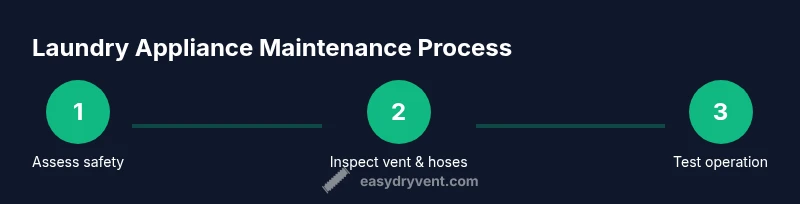
Begin with a quick safety check and a non-destructive inspection. If you’re comfortable, you can perform basic tests like checking for clogs, inspecting hoses, and verifying power connections. However, for anything involving the control board, heating element, gas line, or complex electrical work, hiring a local professional is the safer option. When in doubt, get a diagnostic quote from a nearby pro before committing to substantial repairs.
Reliable local technicians can perform a comprehensive diagnostic, obtain the correct replacement parts, and carry out the repair with warranty-backed confidence. If you choose to DIY, document each step, power down fully, and use manufacturer-approved parts only. This approach aligns with Easy DryVent’s guidance on balancing self-reliance with safety and professional support when fixing washer and dryer near me.
note”:null,
Tools and materials you’ll want on hand before you start
Preparing your toolkit and parts in advance reduces downtime. Gather a basic set of tools: adjustable wrench, screwdriver set, needle-nose pliers, multimeter, flashlight, and a vacuum or lint brush for vent cleaning. For the washer, have a bucket, towels, and a spare hose, plus an o-ring kit if you expect hose or valve work. For the dryer, a vent brush, scraper, and a lint trap cleaning brush are essential. Keep replacement parts on hand only after you’ve confirmed the exact model and part numbers with a local shop.
Having these items ready makes fix washer and dryer near me more efficient and less frustrating when you’re working in tight spaces or under a timer.
note”:null,
A practical, step-by-step approach to diagnosing a washer problem
Start with a quick wash test: run a short cycle to observe drainage, agitation, and water intake. If the drum won’t spin, check the drive belt and lid switch. For drainage issues, inspect the pump and hoses for obstructions. Use a multimeter to verify electrical continuity on components you can safely test. Take photos or notes of any unusual signs to share with a local technician if you decide to hire.
Document patterns: does the issue occur with certain loads, fabrics, or water temperatures? Noting when a problem starts helps you communicate effectively and reduces the chance of misdiagnosis. Always unplug the unit before performing any internal checks or removing access panels.
note”:null,
A practical, step-by-step approach to diagnosing a dryer problem
For dryers, first check the lint trap and vent path for blockages. If clothes take longer than usual to dry or the drum is silent, inspect the heating element and thermal fuse. With gas models, verify the gas valve is open and there’s proper flame indication. For electric models, confirm the breaker hasn’t tripped and the heating coil is intact. If you hear unusual noises, check the belt and idler pulley.
Ventilation health is critical: a clogged vent reduces efficiency and increases fire risk. Clean the vent line from the dryer to the exterior on a regular basis and replace any damaged clamps. This proactive care aligns with Easy DryVent’s emphasis on safe, efficient drying systems.
note”:null,
How to communicate with a local repair pro after diagnosis
Prepare a concise problem statement with model numbers, age, and a summary of symptoms. Include any diagnostic steps you performed and the results. Ask for a written estimate that breaks down parts and labor, plus a warranty on the repair. Share photos of damaged components or error codes if available.
When you request quotes, prefer local pros who offer on-site visits and transparent pricing. Clear communication reduces back-and-forth and helps you compare options effectively while continuing to look for nearby services to fix washer and dryer near me with confidence.
note”:null,
Maintenance habits to extend the life of your appliances
Develop a simple maintenance routine that includes regular lint cleaning, vent inspections, and periodic belt or hose checks. Run cleaning cycles for washers if your model offers them and ensure you use the correct detergent type and amount. For dryers, schedule annual vent cleaning and inspect seals and gaskets for wear. Small, consistent maintenance plans prevent major breakdowns and keep your appliances efficient.
Easy DryVent’s guidance highlights that consistent upkeep lowers repair frequency, saves energy, and helps you avoid emergency service fees when you search for fix washer and dryer near me.
note”:null,
Authority sources and further reading for safe, local repair
For rigorous, safety-focused information, consult official sources: US Consumer Product Safety Commission (cpsc.gov) on appliance fire safety guidelines; Energy Star (energystar.gov) for efficiency and maintenance practices; and the National Institute of Standards and Technology (nist.gov) for electrical safety standards. These resources complement practical, hands-on tips from Easy DryVent.
Cross-reference local regulations and your appliance’s manual to ensure any repair or maintenance complies with manufacturer warranties and local codes. This helps you maintain eligibility for service warranties and keeps your home safe while you fix washer and dryer near me.
note”:null,
Authoritative sources you can trust
- U.S. Consumer Product Safety Commission: Appliance fire and electrical safety guidelines (cpsc.gov)
- Energy Star: Maintenance and efficiency tips for laundry appliances (energystar.gov)
- National Institute of Standards and Technology: Electrical safety standards and best practices (nist.gov)
Always verify information against the latest official guidance and your appliance’s manual when performing repairs or maintenance.
note”:null],
toolsMaterials”:{
items: [ {
name
required: true,
note
} ]}
stepByStep: {
steps”: [ {
number
1
title
Preparation and safety checks
description
Unplug the machine and shut off water or gas supply as appropriate. Gather tools and inspect for obvious hazards before you begin.
tip
Always test voltage with a multimeter after reassembly to confirm no residual current.
Tools & Materials
- Adjustable wrench(Sizes 6-12 inches for tight spaces)
Steps
Estimated time: 20-40 minutes
- 2
Diagnose the washer drain and spin
Check the drain pump, hose kinks, and filter; test with a short cycle to observe draining and spinning.
Tip: Remove water with towels if necessary before panel removal.
Common Questions
Do I need to unplug and shut off water before starting repairs?
Yes. Always unplug electrical supply and shut off water to the washer; for the dryer, disconnect from power and, if gas, close the valve. This prevents shocks and leaks during inspection.
Always unplug the appliance and shut water or gas supply first before starting any repair.
Can I diagnose dryer vent issues myself?
Yes, you can inspect for lint buildup and clean the vent path from dryer to outside. If you smell burnt lint or see reduced airflow, stop and consider professional cleaning or repair.
You can check the vent and lint trap yourself, but stop if you smell something burnt or see poor airflow.
When should I call a professional near me?
If you encounter electrical components, gas connections, or if the problem persists after basic checks, seek a licensed technician for safety and warranty reasons.
Call a professional if you’re dealing with electrical or gas work, or if the problem persists after basic checks.
Are there common DIY fixes that save money?
Yes, routine lint removal, hose checks, and cleaning cycles can prevent issues and extend life. Avoid disassembling major components if you lack experience.
DIY fixes like lint removal and basic cleaning can help, but avoid big component repairs if you’re unsure.
Watch Video
Key Points
- Identify local pros or DIY steps to fix washer and dryer near me
- Prioritize safety and model-specific repair guidance
- Maintain vents and lint filters to prevent fire risk