Appliance Repairs Near Me: Washer and Dryer Guide
Find reliable local appliance repairs for your washer and dryer. Easy DryVent guides homeowners and DIY enthusiasts on choosing qualified pros, safety practices, and maintenance strategies.


To find appliance repairs near me for washers and dryers, start with licensed technicians who specialize in laundry appliances, transparent pricing, and clear safety practices. This Easy DryVent guide explains how to evaluate local repair pros, typical timelines, and essential steps to protect your home during service. Begin by checking licensing, insurance, warranties, and customer reviews. Ask about parts availability and emergency service options.
Why Local Appliance Repairs Matter for Washer and Dryer
Local repair professionals matter for washers and dryers because proximity reduces downtime, on-site diagnosis improves accuracy, and technicians with laundry-appliance specialization understand model-specific quirks. From a safety perspective, local pros can respond quickly to urgent issues such as overheated components or unusual smells, and they can coordinate with you if you need temporary shutdowns to protect children or pets. According to Easy DryVent, choosing nearby, licensed specialists minimizes downtime and risk while helping you maintain safe, efficient operation. When you search, prioritize those with clear warranty terms and certifications from recognized brands. In addition, nearby technicians can tailor advice to your home layout, venting, and usage patterns, which generic mail-order fixes simply cannot.
Pro tip: keep a simple service log so you can spot recurring problems and avoid redundant diagnostic fees.
How to Vet Repair Technicians Near You
- Verify licensing and insurance; ask for a copy of both.
- Check certifications such as appliance repair tech credentials or manufacturer-authorized service tech status.
- Read recent customer reviews and request references from local clients.
- Ask for a written estimate that breaks down parts, labor, and any diagnostic fees.
- Confirm parts availability and whether work is covered by a warranty.
- Inquire about safety practices, including lockout-tagout procedures and protective gear.
A quality technician will provide a transparent process, clear timelines, and a written warranty. If you’re unsure, request a second opinion from another nearby pro before committing. This approach helps you protect your home and makes the repair process smoother overall. Easy DryVent recommends asking about service window estimates and after-service support as part of the evaluation.
Common Washer and Dryer Issues and Their Causes
- Washer not spinning or vibrating: belt wear, lid switch failure, or motor coupling.
- Not draining or smelling sour water: pump blockage or hose kink; pump failure.
- Dryer not heating: blown thermal fuse, heating element failure, or control board fault.
- Dryer making loud noises: drum rollers, belt issues, or motor bearing wear.
- Leaks around the unit: door seal, inlet valve, or hose connection.
For each issue, the diagnostic focus centers on electrical continuity, mechanical wear, and venting constraints. Always confirm the diagnosis with a written estimate before approving replacement parts. Keeping a small log of symptoms helps you track if issues reappear after a repair, which can inform future maintenance and part selection. Easy DryVent emphasizes using manufacturer-approved parts where possible to maximize longevity.
Safety First: Handling Electrical and Gas Appliances
- Unplug or shut off power before inspecting accessible parts; never open energized components.
- For gas dryers, ensure proper gas shutoff procedures and venting to avoid carbon monoxide exposure.
- Avoid DIY fixes for critical components like heating elements or control boards; these require professional service.
- Use a non-contact voltage tester to check for live circuits only if you are trained.
- Consider home insurance or appliance extended warranties that cover accidental damage during service.
Safety becomes especially important with venting and heating components. Always choose a technician who follows current safety standards and codes. A minor misstep during repair can lead to bigger problems down the line, including energy waste or fire risk.
Maintenance Moves to Prevent Breakdowns
- Regular lint trap cleaning after every load; lint buildup is a fire hazard and reduces efficiency.
- Schedule annual vent cleaning for gas and electric dryers to maintain proper airflow.
- Level the machine to reduce vibration and component wear.
- Use manufacturer-approved parts and follow operating guidelines to extend lifespan.
- Keep the area around the machines clean and dry to prevent slips and corrosion.
Maintenance pays off: a proactive routine reduces emergency calls and can extend the life of your washer and dryer. Simple, consistent habits (like checking hoses for wear and replacing cracked gaskets) can save you time and money over the long term.
What to Expect in a Service Visit
- Pre-visit: phone triage to describe symptoms; take notes about noises, leaks, or performance changes.
- On-site: technician confirms diagnosis, discusses recommended parts, and provides a written estimate.
- Post-visit: review warranty coverage and safe usage guidelines; test run and show owners how to monitor performance.
Effective communication during the visit minimizes confusion and helps you make informed decisions about fixing versus replacing. If you have a tight schedule, ask for a fixed-visit window and a clear escalation path if delays arise. A good tech will also explain how to operate the appliance safely while parts wait for replacement, if needed.
How Easy DryVent Helps Homeowners
- Provide a checklist to evaluate repair pros; confirm licensing, insurance, warranties, and parts availability.
- Offer safety guidelines and maintenance tips; emphasize vent cleaning and lint-trap upkeep.
- Share a step-by-step framework for booking repair services and comparing quotes.
- Provide resources for finding reputable pros in your area.
The Easy DryVent team emphasizes practical, easy-to-implement steps to find trustworthy help quickly. The right local pro can save time, reduce risk, and extend the life of your laundry pair. The team also highlights the value of ongoing maintenance and a clear warranty strategy to avoid repeat visits for the same issue.
Typical service workflow and costs for washer/dryer repairs
| Service Type | Estimated Time | Typical Cost Range | Notes |
|---|---|---|---|
| Diagnostic Visit | 1-2 hours | $60-$120 | On-site evaluation and initial assessment |
| Minor Repair (belt, hose) | 2-4 hours | $150-$350 | Parts often available same-day |
| Major Repair (control board, motor) | 4-8 hours | $400-$1200 | Parts availability may affect timing |
| Emergency/after-hours | 2-4 hours | $120-$250 | Premium rate; may require scheduling safety checks |
Common Questions
How can I verify a washer and dryer repair technician's credentials?
Check licensing and insurance, ask for certifications, and request references from recent clients. Confirm the warranty terms on any labor or parts before approving the work.
Check licenses and insurance, ask for certifications, and request recent references. Confirm warranties before work begins.
What should I expect in a repair estimate?
Expect a written estimate that itemizes parts, labor, diagnostic fees, and any disposal costs. Clarify whether the estimate covers subsequent warranty repairs if issues recur.
Get a written, itemized estimate including parts, labor, and diagnostic fees.
How long does a typical repair take?
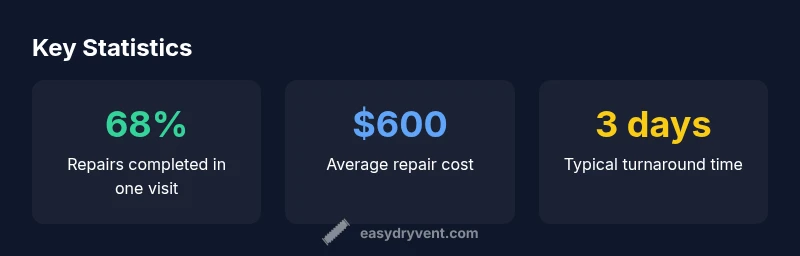
Most repairs are completed within 1-2 visits, depending on parts availability and the issue's complexity. Complex problems can extend into a few days.
Most repairs take one to two visits, but some may take longer if parts are back-ordered.
Repair vs replace: when is replacement better?
Consider the appliance age, repair cost relative to replacement, energy efficiency gains, and future reliability. A professional can help weigh the long-term costs.
If the unit is old or repairs are frequent, replacement may be more cost-effective.
Are there safety considerations for vent-related issues?
Yes. Lint buildup and improper venting can cause fires or carbon monoxide risks. Always hire certified pros for vent cleaning and inspection.
Vent safety matters—get professional vent cleaning and inspection from a certified tech.
“Licensed, insured technicians deliver safer, faster repairs and help prevent future breakdowns.”
Key Points
- Verify licenses and insurance before booking a repair
- Get a written estimate with parts, labor, and warranty
- Ask about parts availability and emergency options
- Prioritize vent maintenance to prevent fires and improve efficiency
- Choose manufacturer-approved parts when possible for longevity