Changing a Dryer Heating Element: A Complete DIY Guide
Learn how to safely replace a dryer's heating element with a clear, step-by-step DIY guide. Diagnose heat issues, choose the right part, and thoroughly test for proper operation.


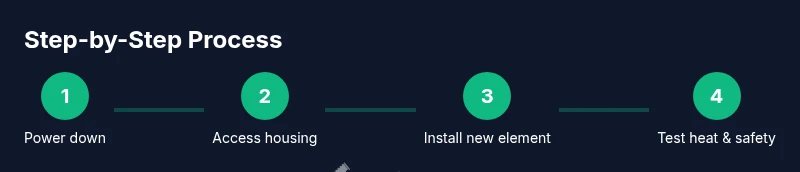
Changing a dryer's heating element is a doable DIY task when you follow safety steps and use the correct replacement part. You will disconnect power, access the element housing, test continuity, remove the old coil, fit a new element, reconnect wiring, and run a cautious test cycle. According to Easy DryVent, most failures come from coil burnout or a tripped thermal fuse, not incorrect wiring.
What the heating element does and why it fails
The heating element in an electric clothes dryer is a high-resistance coil that heats air as it passes around the coil. Over time, the coil can burn out or develop internal breaks, interrupting the electrical circuit and stopping heat from reaching the drum. Frequent heat cycling and lint buildup can accelerate wear, reducing efficiency or triggering safety devices. Recognizing symptoms early helps prevent further dryer damage and lowers fire risk. Common signs include no heat, weak heat, or significantly longer drying times. If you notice a burning smell or visible glow in the element housing, stop using the dryer and unplug it. According to Easy DryVent, coil burnout and thermal fuse trips are common failure modes, reinforced by aging components and restricted airflow.
Safety basics before you begin
Safety is non-negotiable when tackling a heating-element replacement. Start by unplugging the dryer from the wall and, if possible, switch the corresponding circuit breaker. Move the appliance away from walls to access the back or bottom panel and create a dry, well-lit workspace. Wear protective gloves and use a flashlight to inspect tight corners. If your environment includes other heat sources or flammables, ensure clear ventilation and avoid working in damp conditions. Never work on a plugged-in device. While power is disconnected, test for residual voltage with a non-contact tester or a multimeter when you’re ready to verify components. This careful approach minimizes the risk of electric shock and injury while you prepare for the repair.
Symptoms and quick checks to diagnose heat problems
Diagnosing heat issues starts with symptoms: no heat, weak heat, uneven heating, or a dryer that stops heating after a certain cycle. Before diving into parts, verify the problem isn’t a clogged vent or a tripped circuit. A continuity test with a multimeter across the heating element terminals can confirm coil integrity: an open circuit indicates a burned-out element, while a near-zero reading may indicate a short elsewhere in the circuit. Remember that thermostats or the thermal fuse can also cause heat issues, so consider testing those components if the element tests fine. Always label wires or take photos before disconnecting anything so reassembly is accurate.
Choosing the right replacement element for your model
Selecting the proper heating element hinges on model compatibility and wattage requirements. Check your dryer's model number (often on a label inside the door or on the back) and search for the exact replacement part from reputable suppliers. When possible, use an element that matches or exceeds the original wattage rating and form factor, ensuring the mounting hardware and connector layout align with your model. If in doubt, consult the dryer's manual or a trusted repair guide. Easy DryVent recommends verifying compatibility through the model number to avoid mismatched coils or incompatible connectors.
Accessing the heating element housing: where and how to reach it
Access methods vary by dryer design. Some models have a rear service panel, others a bottom panel or front kick plate. The goal is to expose the heating element housing without bending or damaging surrounding components. Remove the screws securing the access panel, carefully pry the cover, and set it aside. Use a magnetic tray to keep screws organized. As you gain access, note the path of wires and the orientation of connectors. A quick visual check for burnt insulation or melted connectors can save time later and prevent reassembly issues.
Removing the old element and preparing the new one
With the housing exposed and power disconnected, identify how the element is mounted and what securing hardware holds it in place. Remove mounting screws or clamps, then slide the old element out of its housing. Avoid bending the coils during removal, and store the old part in a safe container. Compare the new element to the old one for key features such as coil shape, mounting points, and connector layout. If you notice any damaged connectors or insulation on nearby wires, address them before installing the new coil.
Installing the new element and reconnecting wiring warmly
Position the new heating element in the housing, align mounting points, and secure it with the original screws or clamps. Reconnect wires to the proper terminals, following any notes or photos you captured earlier. Ensure connectors are fully seated and insulated, with no loose strands that could cause arcing. If the element requires a thermal fuse or thermostat in series or parallel, install according to the component’s wiring diagram. Double-check all connections before proceeding to reassemble.
Reassembly, safety checks, and the first test run
Replace the access panel and any shielding, then restore the dryer’s outer panels. Clear lint from the drum area and vent to prevent airflow restrictions. Plug the dryer in and perform a short, cautious test cycle with no load initially. Observe for signs of heat, unusual smells, or smells of burning insulation. If everything seems normal, run a full test cycle with a light load to verify consistent heat and dry times. Maintain a close watch for several cycles to confirm reliability.
Troubleshooting after installation: what to do if heat still won’t return
If the dryer still doesn’t heat after replacement, re-check the electrical connections, verify the thermal fuse hasn’t tripped, and inspect the thermostat. A blocked vent or exhaust path can mimic a heating-element fault by causing overheating and safety shutdowns. If you’ve confirmed all wiring is correct and the problem persists, consider professional service. Easy DryVent emphasizes safety and accuracy—some issues may require diagnostic equipment beyond a typical DIY setup.
A practical note on safety and maintenance after replacement
Post-repair, maintain regular vent cleaning to prevent future overheating. Keep the lint screen clean and inspect ductwork for buildup. Schedule periodic checks of the heating element area to catch wear early. By following best practices, you extend dryer life and reduce fire risk. The goal is reliable heat during every cycle and improved energy efficiency over time.
Tools & Materials
- Replacement heating element kit for your dryer model(Exact model/part number; verify compatibility with your dryer's make and model)
- Multimeter (ohms/continuity)(Set to continuity or resistance mode; test element terminals)
- Phillips head screwdriver(Typically #2 for most back-panel screws)
- Flat-head screwdriver(Helpful for prying and delicate panel work)
- Nut driver or socket wrench (size depending on model)(Used to remove mounting hardware securing the element)
- Needle-nose pliers(Gently disconnecting terminal connectors)
- Torx driver (optional)(Some models use Torx screws)
- Work gloves(Protect hands from sharp edges and hot components)
- Flashlight or headlamp(Illuminates tight corners inside the cabinet)
- Owner’s manual or model number(Have the exact model to verify compatibility)
Steps
Estimated time: 60-120 minutes
- 1
Power down and unplug
Unplug the dryer and, if possible, switch off the corresponding circuit. This eliminates risk of shock. Confirm there's no power by testing a basic outlet voltage with a non-contact tester before touching any components.
Tip: Always double-check the circuit is de-energized even if the plug looks disconnected. - 2
Access the heating element housing
Move the dryer away from the wall and remove the service panel that covers the heating element. Keep track of screws and shields. A well-lit workspace helps you spot hidden wires and screws without forcing panels apart.
Tip: Take photos of wire routing before disconnecting anything to aid reassembly. - 3
Test the old element for continuity
With power disconnected, set your multimeter to continuity or resistance. Touch the probes to the element terminals; a dead coil shows an open circuit, while a shorted coil can show very low resistance elsewhere in the circuit. This confirms whether replacement is needed.
Tip: Do not touch metal parts while testing; keep hands dry and away from metal edges. - 4
Disconnect wires from the element
Carefully note or label each wire color and terminal position. Use needle-nose pliers to release connectors without pulling on insulation. If a connector is stubborn, wiggle gently rather than forcing it.
Tip: Label wires as you go; a simple diagram will prevent mix-ups during reassembly. - 5
Remove the old heating element
Loosen mounting screws or clamps and slide the element out of its housing. Be careful not to bend the coils. Inspect the housing for cracks or burnt insulation that may need attention during reassembly.
Tip: Keep screws organized; losing hardware can delay the project. - 6
Prepare and compare the new element
Compare the new element to the old one for coil layout, connector positions, and mounting points. Ensure a matching wattage rating and fit with the housing. If mismatches exist, do not force it.
Tip: If in doubt, contact the supplier with your model number before purchasing. - 7
Install the new element
Position the new coil in the housing and secure it with the original mounting hardware. Reconnect wires to the correct terminals, following your prior labels or photos. Ensure all connectors are snug and protected from contact with hot surfaces.
Tip: Tighten screws evenly to avoid misalignment and stress on the coil. - 8
Reconnect wiring harness and reassemble
Reconnect all wiring harnesses in their proper places. Reinstall the service panel and any shields. Double-check that nothing is loose before powering the unit.
Tip: Do a final visual check for stray wire ends or exposed conductors. - 9
Initial safety test and heat check
With the housing closed but before a full load test, plug in the dryer and run a short cycle to verify that heat is generated. Listen for unusual noises and watch for smoke or burning smells. If anything unusual occurs, unplug immediately.
Tip: Always supervise the initial test; never leave the unit unattended. - 10
Final reassembly and full test
Run a full dry cycle with a small load. Check that clothes reach full heat and that the vent remains clear. If heat is intermittent, recheck connections and vent clearance. If heat remains absent, consider professional diagnosis.
Tip: Document the steps you took so you can share details with a professional if needed.
Common Questions
Can I replace a dryer's heating element myself, or should I hire a pro?
Yes, many homeowners replace a dryer heating element themselves if they follow safety steps and have the right replacement part. It helps to have basic electrical knowledge and the proper tools. If you’re unsure about wiring or electrical safety, a professional may be the safer option.
You can replace it yourself if you know how to work safely with electrical components. If in doubt, consider hiring a professional.
What are common signs of a failing heating element?
Common signs include no heat, weak or uneven heating, longer drying times, or a burnt smell. If you see visible damage or hear unusual noises when the element is active, replace it and inspect related components.
Look for no heat, weak heat, or a burnt smell as red flags that the heating element may be failing.
Do I need to replace the thermal fuse when replacing the heating element?
Often, a blown thermal fuse is a separate issue that may have caused the element to overheat. If your dryer had repeated overheating, check or replace the thermal fuse as part of the repair. Verify by testing continuity and replacing if open.
Sometimes the thermal fuse is also faulty; check it if heat issues persist after replacing the element.
How long does it typically take to replace a heating element?
Most installations take about an hour or two, depending on the dryer's model and access to the element. A slower pace reduces mistakes and helps ensure proper connections.
Expect roughly an hour or two, depending on access and model complexity.
What safety precautions should I follow when working on a dryer?
Always unplug the unit and, if possible, switch off the circuit. Work in a dry area with gloves and proper lighting. Avoid forcing panels and use correct tools to prevent injury.
Unplug the dryer, work dry and well-lit, and wear gloves to protect yourself.
What if the dryer still won’t heat after replacing the element?
If heat remains absent after replacement, recheck connections, test the thermal fuse and thermostat, and verify venting is clear. A professional diagnostic may be needed for electrical or control-board issues.
If there’s still no heat, inspect the fuse and thermostat and consider professional help.
Watch Video
Key Points
- Identify the heating element issue through symptoms and tests.
- Verify model compatibility before purchasing a replacement.
- Follow a safe, step-by-step process to avoid shocks and burns.
- Test heat output carefully after installation and reassembly.