How to Get a Dryer Heating Element: A Step-by-Step Replacement Guide
Learn how to source and replace a dryer heating element safely. Identify the right part, compare OEM vs aftermarket options, and complete installation with step-by-step guidance from Easy DryVent.


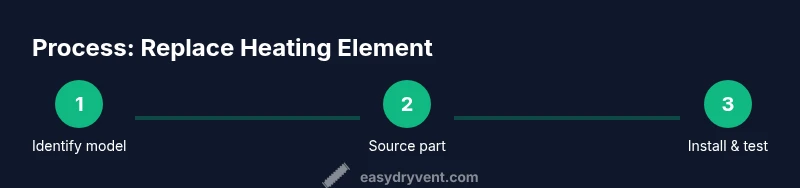
Goal: learn how to obtain a dryer heating element and replace it safely. Before you start, identify your dryer's model and verify the element type. Purchase an OEM or compatible unit from a reputable seller, and ensure you have the right tools. This guide walks you through sourcing and installing the element or arranging service.
Why you might need a dryer heating element
If your clothes emerge warm but not hot, or the dryer runs without heating, a faulty heating element is often the culprit. These coils or ceramic units heat the air that dries your clothes. Over time, vibration, lint exposure, and heat cycling can burn out or crack the element, leading to cold air or no heat. According to Easy DryVent, a failing heating element is a common cause of a dryer not heating, and replacement is often more cost-effective than buying a new unit. Replacing the element preserves performance, reduces downtime, and avoids the larger expense of a new appliance. This section explains how the heating element works, common failure modes, and how to verify the part is the source of your problem. You’ll learn the typical symptoms, what to inspect in the heater compartment, and how to approach sourcing the correct replacement with confidence.
How to identify the correct heating element for your dryer
Heating elements are usually designed for specific dryer models. Start by locating the model number and serial tag on the dryer’s inner door lip or back panel. Use that information to search for the exact element or a compatible replacement break-down diagram. When possible, compare the element’s shape (coil-type versus ceramic block) and the terminal layout to the original. If you still have the old element, inspect any numbers stamped on the connector clips or on a label attached to the part. In addition to the element itself, consider the thermal fuse and high-limit thermostat, because a blown fuse can mimic a bad heating element. Having the manual or a wiring diagram handy helps confirm compatibility and safe installation.
OEM vs compatible: choosing the right replacement
OEM heating elements are factory parts designed for your exact model, ensuring precise fit and electrical characteristics. Compatible (aftermarket) elements can offer similar performance at often lower prices, but you should verify vendor reliability, warranty terms, and return policies. Look for parts that match the coil type, resistance, and connector layout of the original. A mismatched element can overheat, trip safety devices, or fail prematurely. Easy DryVent analysis shows that quality aftermarket parts can meet OEM performance when matched to the correct model and verified for compatibility.
Tools and safety gear you’ll need
To perform a replacement safely, gather the right tools and protective gear. Required items include a Phillips and flat-head screwdriver, a nut driver, a multimeter (for basic checks), needle-nose pliers, a replacement heating element, heat-resistant gloves, and safety glasses. Keep a small container to hold screws and a work light for visibility. If your unit uses plug-in terminals, consider having spare connectors or crimp tools on hand. Always work in a dry, well-ventilated area and unplug the dryer before starting.
Where to buy: reputable sources and how to verify compatibility
Purchase from reputable appliance parts suppliers or authorized dealers. Use your model number to confirm the exact element and verify that the part number matches the replacement. Read product reviews and check warranty options before buying. Avoid deals that seem too good to be true and beware counterfeit parts. Verify return policies in case the part doesn’t fit or fails prematurely. Keeping the receipt and packaging helps with warranty claims and return processing.
Common installation challenges and how to avoid them
Common issues include selecting the wrong element, damaged or loose wiring, and improper connector alignment. Before reinstalling, inspect all wiring and connectors for corrosion or heat damage, and replace any compromised parts. When attaching terminals, ensure firm, clean connections and avoid pinching wires in the housing. If a component such as a thermal fuse is blown, replace it in the same service cycle to prevent a repeat failure. Double-check that all screws are tight and the element sits properly in its housing.
Safety checks after install and testing
Plug in the dryer and perform a controlled test run with the drum empty. Listen for any abnormal sounds and observe that the heating element glows and the exhaust air becomes hot within a few minutes. If heat is delayed or inconsistent, power off and recheck connections. Use a non-contact voltage tester to confirm there is no live electricity before touching any wires. If you detect a persistent fault, stop and consult a professional.
Maintenance tips to extend heating element life
Keep the lint screen clean and ensure the vent path is clear to prevent overheating. Schedule regular vent cleaning and keep the area around the dryer free of clutter. Avoid overloading the drum, which can strain the element. If you notice a sudden loss of heat or burning smells, inspect the vent and the element area promptly. Proper installation and periodic checks can extend element life and keep your dryer operating efficiently.
Frequently overlooked realities: cost, downtime, and warranty considerations
Replacing a heating element is usually less expensive than a full dryer replacement, but costs vary by model and part quality. Downtime depends on availability of the replacement part and the complexity of access. A valid warranty on the element or the appliance can offset costs if the part fails early. Always weigh the cost of replacement against the value and age of the dryer, and consider professional service if you are uncomfortable with electrical work.
Tools & Materials
- Replacement dryer heating element(Model-specific, check compatibility with your dryer's exact model)
- Screwdriver set (Phillips and flat-head)(For removing access panels and mounting screws)
- Nut driver / socket wrench(To remove mounting hardware without stripping screws)
- Multimeter(For basic continuity checks on the circuit)
- Needle-nose pliers(To unplug connectors and manage small wires)
- Heat-resistant gloves(Protection when handling hot components or metal frames)
- Safety glasses(Eye protection during disassembly)
- Electrical tape or crimp connectors(Optional for securing wire terminals or splices)
- Work light(Good visibility inside the cabinet)
Steps
Estimated time: 45-60 minutes
- 1
Power down and unplug
Unplug the dryer and disconnect it from the wall outlet. If you have a gas dryer, shut off the gas supply before starting any work. This prevents shock or gas-related hazards while you work.
Tip: Use a non-contact tester to confirm there is no voltage present at the outlet. - 2
Access the heating element housing
Remove the access panel or rear console to reach the heater housing. Keep screws organized in a labeled container so you can reassemble easily.
Tip: Take a quick photo of wire routes before disconnecting anything to guide reassembly. - 3
Disconnect the wiring and terminals
Carefully detach the wire harness from the heating element and note connector positions. If connectors are stubborn, use pliers gently and avoid pulling on wires.
Tip: Label connectors or take a photo, so you reconnect them correctly. - 4
Remove the old element
Unfasten mounting screws and lift the heating element out of its slot. Inspect the element housing for cracks or heat damage that could affect the new part.
Tip: Keep screws in a small, orderly container to prevent loss. - 5
Install the new heating element
Position the new element in the housing and secure it with the original screws. Reconnect all wiring to the correct terminals and ensure the connectors are snug.
Tip: Double-check the terminal arrangement against the model’s diagram. - 6
Reassemble and test
Replace the access panel, plug the dryer back in, and run a test cycle with the drum empty. Confirm the heating element heats within a few minutes and the vent is emitting warm air.
Tip: Do not run a loaded cycle until you confirm safe operation. - 7
Post-install safety checks
Inspect for unusual smells, smoke, or buzzing noises during initial operation. If anything seems off, power off and recheck wiring or call a professional.
Tip: If the unit doesn’t heat, recheck connections and consider testing the thermal fuse.
Common Questions
Where can I buy a dryer heating element that fits my model?
Start with reputable appliance parts suppliers and confirm the exact model compatibility. Check the part number against your dryer’s model, read warranty terms, and review return policies before purchasing.
Buy from reputable parts suppliers and verify the exact model compatibility before purchasing.
How do I know I’m getting the right heating element?
Use the model number and, if possible, the original part number. Compare coil type, connector layout, and the estimated resistance to ensure it matches the original design.
Use your model and part numbers to match the exact element and connectors.
Is it safe to replace the heating element myself?
Yes, with proper precautions. Always unplug the appliance, wear protective gear, and follow the manufacturer’s wiring diagram. If you are unsure about electrical work, hire a qualified technician.
Yes, with precautions; unplug the unit and follow the wiring diagram, or hire a professional if unsure.
Can I test the heating element with a multimeter?
A basic continuity check can confirm the element is not open. For accurate resistance values, consult the service diagram; if you’re unsure, a professional can perform a thorough test.
You can do a basic continuity check; for exact resistance, follow the service diagram or consult a pro.
What are the signs of a faulty heating element?
No heat, insufficient heat, longer drying times, or frequent cycling on the heat setting all point to a possible element issue. A blown fuse can mimic these symptoms, so inspect related components as well.
No heat or very weak heat, long dry times, or frequent cycling can indicate a bad element.
How much time should replacement take?
Most replacements run in the 45 to 90 minute range depending on access to the element and your experience. Plan for extra time if you need to inspect wiring or replace related parts.
Usually about 45 to 90 minutes, depending on access and experience.
Watch Video
Key Points
- Identify the model to source the correct element.
- Choose OEM or compatible part based on reliability and warranty.
- Follow safety steps and verify power off before starting.
- Test heat during the first run and monitor for issues.