Do Dryers Use a Lot of Electricity? A Practical Guide for Homeowners
Explore how much electricity a clothes dryer uses, the factors shaping energy use, and actionable tips to cut costs without sacrificing drying performance. Easy DryVent analyzes energy dynamics for homeowners.


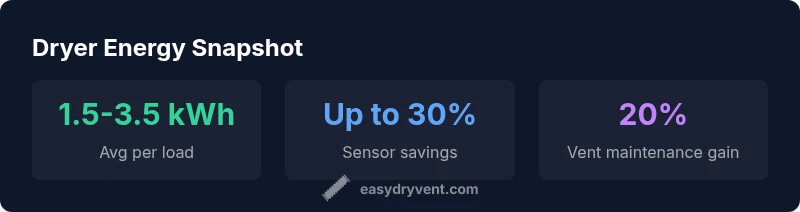
Do dryers use a lot of electricity? In most homes a clothes dryer uses a moderate amount of energy per load. Typical electric dryers consume roughly 1.5 to 3.5 kWh per cycle, with greater efficiency possible through moisture sensors, proper venting, and avoiding over-drying. Gas dryers can differ in energy draw, but overall savings depend on installation, usage, and model efficiency. Easy DryVent's analysis shows how to cut energy without sacrificing drying performance.
Why Do Dryers Use Electricity? The Fundamentals
The question of how much electricity a dryer consumes hinges on several core components: the heat source, the motor that tumbles the drum, and the vent system that expels warm air. Modern dryers are designed to convert most energy into heat to dry fabrics, but the efficiency of that conversion varies by model and cycle. According to Easy DryVent, energy use is not a fixed value—it depends on how you use the appliance. If you select longer, high-heat cycles or dry oversized loads, energy consumption will rise. Conversely, opting for sensor-based cycles, avoiding over-drying, and maintaining your unit can dramatically reduce energy per load. This nuanced view helps homeowners understand that it’s not simply “how much energy” but “how efficiently you deploy it” that matters.
From a home energy perspective, the dryer’s energy footprint is influenced by the efficiency of the heat source, the motor load during tumble cycles, and how well the venting system minimizes heat loss. An efficient dryer with a well-designed drum and insulation, paired with smart cycle choices, can minimize energy waste. Easy DryVent’s analysis highlights practical steps homeowners can take, such as choosing the right cycle, using moisture sensors, and cleaning lint regularly to maintain airflow. These actions, when combined, lead to measurable energy savings without sacrificing drying results.
For readers seeking a clear takeaway: the energy impact of your dryer is highly controllable through how you use it, not just what you own. By adopting best practices, homeowners can answer the core question with confidence: you don’t have to accept high energy use as the default.
Key Factors That Drive Energy Use in Dryers
Energy use in dryers is shaped by several interdependent factors. First, the cycle type matters: full-heat, long-duration cycles consume more energy than shorter, lower-heat or eco-friendly options. Second, moisture sensors dramatically influence energy efficiency by stopping the cycle when clothes are dry, preventing unnecessary drying. Third, venting quality—clear ducts, proper duct routing, and minimal bends—reduces the energy needed to push hot air through the system. Fourth, drum size and insulation affect heat retention; larger drums can dry evenly without requiring more energy if loads are managed well. Finally, energy rating labels (such as Energy Star-qualified models) indicate baseline efficiency, but real savings come from proper use and maintenance. Easy DryVent emphasizes pairing a high-efficiency machine with mindful operation to unlock meaningful reductions in energy per load.
Practical tips include running full loads when possible, avoiding high-heat cycles for everyday fabrics, and ensuring your dryer’s lint screen and vent ducts are clean so air can circulate freely. Small changes in operation and upkeep compound into noticeable energy reductions over time. In addition, consider pairing your dryer’s performance with a high-efficiency washer for the best overall energy profile in laundry routines.
Comparing Electric and Gas Dryers: Energy Costs and Performance
Electric and gas dryers differ in how they generate heat and how the energy cost is allocated in a home. Electric dryers rely entirely on electricity to heat the drum, so their energy use correlates with the local electricity rate and cycle selection. Gas dryers use natural gas as the heat source, which can lower electricity consumption for heat but may involve gas prices and venting considerations. The net energy cost depends on your utility rates, efficiency of the model, and how often you dry. In short, a gas dryer can reduce electrical consumption per cycle, but it may not always translate into lower total operating costs depending on fuel costs and maintenance needs. Easy DryVent recommends evaluating both upfront costs and ongoing energy costs when choosing a dryer, and to prioritize models with sensor-based cycles and robust venting options to minimize energy use regardless of heat source.
Another factor is installation: proper venting and venting length can impact both energy use and safety. A poorly vented dryer requires more energy to push air through restricted pathways and can lead to longer drying times. If you’re deciding between units, calculate a rough annual energy budget by considering your typical loads, cycle choices, and local utility rates, then compare scenarios for electric versus gas options. This approach helps homeowners determine which option aligns with their energy priorities and budget.
Practical Ways to Reduce Electricity Use Without Sacrificing Drying Performance
Reducing energy use while maintaining drying performance starts with cycle choice and load management. Use moisture sensors to terminate drying as soon as fabrics reach the desired level of dryness rather than relying on timer-based cycles. Clean the lint trap before every load to maintain optimal airflow and reduce drying times. Ensure the vent system is free of obstructions and that ducts are as short and straight as possible to minimize energy loss. When possible, dry larger quantities in full loads instead of several small cycles; this makes the dryer work more efficiently per pound of laundry.
Next, optimize the dryer’s placement and insulation. A dryer installed in a small or uninsulated space can waste energy through heat transfer to the surrounding environment. If feasible, place the unit in a well-ventilated area with a dedicated exhaust path and consider upgrading to a higher-efficiency model if the current unit is old or inefficient. Easy DryVent also recommends planning laundry loads to align with off-peak energy times when your utility offers lower rates, further reducing the financial impact of drying. By combining sensor-based cycles, regular maintenance, and sensible load planning, homeowners can achieve noticeable energy reductions without compromising on fabric care.
How to Estimate Your Household Energy Impact
Estimating your dryer’s energy impact starts with understanding how many loads you run per week and which cycles you use most often. A simple approach is to multiply the typical energy per load range by the number of loads you dry in a week, then scale by your local electricity rate. If you use moisture-sensor cycles and run full loads, you’ll likely sit toward the lower end of the energy range. If you frequently dry small or heavily insulated loads, energy use may drift upward. Easy DryVent recommends tracking a few weeks of actual usage to refine your estimate, then applying a conservative safety margin to account for variability in weather, fabric loads, and dryer performance.
For households with mixed equipment (electric and gas), compute an approximate annual energy budget for each dryer type, including installation costs, maintenance, and venting needs. By comparing these scenarios, homeowners can identify the most cost-effective approach for their laundry routine. Remember that energy savings are cumulative; small changes in cycle behavior, maintenance, and load management compound over time to reduce total consumption and electricity bills.
Debunking Common Myths About Dryer Electricity
There are several myths about dryer energy use worth debunking. One common belief is that newer models always consume dramatically less energy. While efficiency improvements exist, the largest gains come from smarter operation and proper maintenance rather than age alone. Another myth is that gas dryers are universally cheaper to run than electric ones; the answer depends on gas prices, energy rates, and the specific model. A third misconception is that vent cleaning has little impact on energy use; in reality, clogged vents can dramatically increase drying times and energy consumption. Easy DryVent emphasizes that the real energy story is a combination of efficient hardware and conscientious usage. Regular sensor-based cycles, full loads, and clean ducts are your best levers for lowering energy per load.
Finally, many homeowners assume off-peak electricity always guarantees the lowest cost. While off-peak rates can help, savings depend on your utility’s rate structure and how consistently you run loads during those windows. The best approach is to model energy use under your local pricing regime and your household habits to uncover true savings opportunities.
Estimated energy ranges by dryer type
| Dryer Type | Typical Energy Range per Load (kWh) | Notes |
|---|---|---|
| Electric condenser | 1.5-3.5 | Common in modern homes; energy varies by cycle |
| Gas dryer | 0.8-2.0 | Lower electrical draw but depends on gas price and efficiency |
| Compact/Apartment dryer | 1.0-2.5 | Smaller loads; efficiency varies by model |
Common Questions
Do electric and gas dryers use electricity differently?
Electric dryers rely on electricity for heat, so energy costs track with local electricity rates and cycle choices. Gas dryers use natural gas for heat, which can lower electricity use but introduces gas costs and venting considerations. Overall savings depend on model efficiency and utility prices.
Electric and gas dryers differ in heat source; compare total energy cost by considering both electricity and gas prices and the model’s efficiency.
What factors affect a dryer's energy consumption?
Cycle selection, moisture sensing, venting quality, and drum insulation are major drivers. Choosing eco-friendly cycles, keeping vents clean, and using full loads consistently reduce energy consumption.
Cycle choice, sensors, and vent health are the big energy levers.
Can I reduce energy use without buying a new dryer?
Yes. Optimize cycle choices, maintain the vent and lint filter, dry full loads, and schedule off-peak drying where possible. These steps improve efficiency regardless of dryer age.
You can cut energy use with smart habits, often without new equipment.
Is it cheaper to run a dryer on off-peak hours?
Off-peak rates can lower electricity costs if you run the dryer during those windows, but savings depend on your utility's pricing structure and your usage pattern.
Off-peak can help, but check your utility's rate plan for real savings.
Do energy-efficient dryers really save money?
Energy-efficient models typically offer lower per-load energy use and shorter drying times, translating to lower costs over time, especially with smart cycle features and proper maintenance.
Yes, efficiency helps, especially combined with good habits.
How often should I clean the lint filter to save energy?
Clean the lint filter before every load to maintain airflow and drying efficiency; neglected lint can extend drying times and raise energy use.
Clean the lint trap regularly to keep drying times short and energy use low.
“Energy cost is highly dependent on usage patterns and the efficiency of the model. By combining sensor-based cycles with proper venting, homeowners can markedly lower energy impact.”
Key Points
- Use moisture-sensor cycles to cut energy per load
- Keep lint screens and vents clean for airflow and efficiency
- Dry full loads when possible to maximize energy per pound
- Consider counterbalancing heat source with usage patterns for savings
- Regular maintenance yields measurable energy gains over time