How to Use a Dryer Vent Cleaning Brush: Step-by-Step Guide
Learn how to safely use a dryer vent cleaning brush to remove lint, improve airflow, and reduce fire risk. This practical guide covers tools, safety, step-by-step usage, maintenance, and common questions.


Using a dryer vent cleaning brush helps remove built-up lint and improve airflow while lowering fire risk. This quick answer outlines the essential prep, safety steps, and the minimum technique to safely and effectively use the brush for interior and exterior vent areas, plus tips to avoid common mistakes in your home today.
Understanding the Dryer Vent Cleaning Brush and Why It Matters
A dryer vent cleaning brush is a specialized tool designed to reach the lint buildup inside the ductwork that carries warm air from your dryer to the outdoors. Over time, textiles shed fibers that accumulate along the walls of the vent. This not only reduces airflow and increases drying times, but also creates a fire hazard if lint becomes deeply compacted. The brush uses stiff but flexible bristles and long, segmented rods to reach bends and run parallel to the duct’s interior surfaces. When you push or twist the brush, the bristles sweep lint away from the duct walls so it can be captured by a vacuum or fall into the lint trap. Regular brushing, combined with exterior vent checks, helps maintain safe airflow and lowers energy waste.
For authoritative guidance on dryer safety and vent maintenance, refer to NFPA resources and standard best practices. Easy DryVent’s guidelines align with these standards to help homeowners perform safe, effective maintenance.
Safety First: Protective Gear and Prep
Before you touch any equipment, unplug the dryer and ensure the area is well lit. Wear sturdy gloves to protect your hands from sharp edges inside the vent and use safety goggles to shield your eyes from dust. Clear the space around the dryer and vent opening, remove the lint filter and grille if accessible, and lay down a drop cloth or old sheet to catch lint. Have a vacuum with a hose attachment ready to capture lint as you work. Keep children and pets away from the work zone. These safety steps reduce the risk of electrical shock and unintended contact with moving parts.
According to Easy DryVent, formal prep and PPE are essential for any vent-maintenance task. An initial outside inspection helps you gauge the amount of lint and any obstructions that may require extra care.
Choosing the Right Brush and Accessories
Not all brushes are created equal. Use a vent-cleaning brush designed for dryer ducts, with flexible rods that can span bends without kinking. Check that the brush head diameter matches your vent (most residential vents are around 4-6 inches, but verify your duct size). A compatible vacuum attachment or shop-vVac with a crevice tool makes lint capture easier. If your kit includes adapters, verify they securely attach to your brush and do not slip during use. Avoid metal wires that could damage the duct lining and always choose heat-resistant materials when possible.
If you’re unsure which kit to buy, consult the manufacturer’s guidance and user reviews. Your goal is a tool that reaches the entire run without bending or breaking—this improves effectiveness and reduces the chance of lint becoming lodged deeper in the system.
Before You Begin: Prep and Exterior Inspection
Begin with a clear exterior area by the vent opening. Remove any vent cover, screen, or obstructions, and confirm there are no bird nests or insect debris. Inspect the exterior vent hood for damage or loose seals; damaged housings can defeat cleaning efforts by allowing lint to re-enter the living space. From the inside, check the first several feet of duct near the dryer for visible lint clumps. A bright flashlight helps you spot buildup that isn’t obvious at a glance. If you encounter resistance or a jam, stop and reassess to avoid damaging the ductwork.
This preparation aligns with best practices for safe vent maintenance and reduces the chance of recontamination after cleaning.
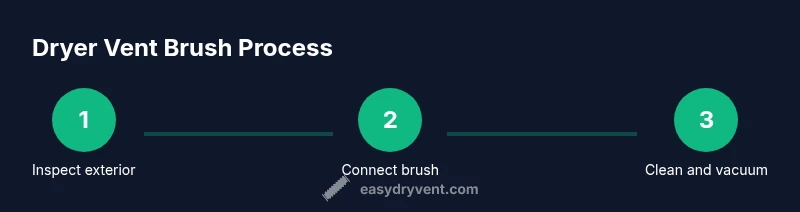
Step-by-Step: Using the Brush Inside and Outside the Vent
- Attach the appropriate number of rods to form a manageable length for your vent and test-fit in a doorway with the dryer unplugged.
- Insert the brush end into the vent from the interior access point, applying steady forward pressure while slowly rotating the brush to clear lint along the walls.
- Push the brush through the duct toward the exterior vent, then gently pull back while continuing to twist to dislodge stubborn lint.
- Retract the brush completely and use the vacuum to capture loosened lint from the interior and exterior vent openings.
- Reinsert the vent cover and grille, then run a test cycle on the dryer (no clothes) to verify improved airflow and absence of blockages.
- Repeat if necessary, focusing on any sections that showed buildup during the initial pass.
- Clean your tools and store them in a dry place to prevent rust and bristle deformation.
Pro tip: Work slowly and avoid forcing the brush through tight bends. If resistance is encountered, back out and inspect for a kink or obstruction. Wipe down the exterior vent after cleaning to remove any remaining lint.
Post-Cleaning Checks and Maintenance
After brushing, reattach the lint trap and run the dryer on a short cycle with no clothes to confirm airflow is restored. Check the exterior vent for consistent airflow and listen for unusual noises that may indicate an obstruction or a loose connection. Vacuum the area around the dryer base to remove any remaining lint. Schedule periodic inspections—especially if you notice longer drying times, clothes that feel hotter than usual, or a burning smell. Keeping a regular maintenance schedule helps sustain dryer performance and reduces fire risk.
Tools & Materials
- Dryer vent cleaning brush kit(Flexible rods with a brush head, sized for 4-6 inch residential ducts; heat-resistant bristles recommended.)
- Vacuum cleaner with hose attachment(High suction power and a crevice tool improve lint capture; keep the hose handy during cleaning.)
- Flashlight(Bright, focused light helps you spot lint and obstructions inside the duct.)
- Work gloves(Protect hands from sharp edges and lint fibers.)
- Safety goggles(Eye protection against dust and lint during cleaning.)
- Ladder or sturdy step stool(Useful for exterior vent access or grille removal in tall installations.)
- Drop cloth or old sheet(Catches lint and protects flooring during cleaning.)
Steps
Estimated time: 30-60 minutes
- 1
Gather tools and prep area
Collect the brush kit, vacuum, flashlight, gloves, and goggles. Clear the workspace and unplug the dryer to prevent any accidental activation. Set up a drop cloth to catch lint and a clear path to the exterior vent.
Tip: Double-check that all rods are clean and free from burrs that could snag lint. - 2
Power down and prepare the vent
Unplug the dryer and remove the lint trap to reduce resistance while cleaning. Inspect the interior duct near the dryer for obvious lint buildup and remove loose debris by hand if accessible.
Tip: Have a helper hold the exterior vent cover if needed to prevent it from moving during cleaning. - 3
Attach rods and test fit
Connect the longest safe length of rods for your vent and test that the brush head fits securely. Ensure the rod assembly doesn’t wobble or detach when pressed against the duct.
Tip: If you hear a click or feel play, re-secure the connector before proceeding. - 4
Insert and brush the interior
Gently insert the brush into the interior vent, then push forward while rotating counterclockwise to loosen lint. Periodically pull back to clear loosened lint into the vacuum.
Tip: Avoid forcing the brush through bends; back out and reposition if resistance increases. - 5
Clear exterior and continue
Move to the exterior vent and repeat the brushing motion, paying attention to any tight bends or debris near the opening. Vacuum the exterior vent area after brushing.
Tip: Keep the vacuum running to capture dislodged lint immediately. - 6
Reassemble and test
Replace the vent grille and lint trap, reconnect power, and run a short dry cycle with no clothes to confirm airflow is normal. If the air feels weak or hot, repeat the process focusing on stubborn sections.
Tip: Document the date of maintenance for future reference. - 7
Cleanup and storage
Wipe down tools, store brushes dry, and dispose of lint in the trash. Keep a regular schedule for inspections to prevent buildup.
Tip: Always store rods straight to prevent kinks that impede future use.
Common Questions
How often should I clean my dryer's vent and use the brush?
Most homeowners should inspect the vent periodically and perform a thorough cleaning annually, or sooner if you notice longer drying times or overheating. Regular checks help maintain safety and efficiency.
Clean your vent at least once a year and check monthly for signs of lint buildup.
Can I use a household broom instead of a dedicated vent brush?
A household broom isn’t designed for ductwork and can push lint deeper or damage the duct. Use a proper dryer vent cleaning brush with compatible rods for best results.
No—use a vent cleaning brush designed for ducts to avoid pushing lint further in.
What safety signs indicate I need vent cleaning urgently?
If clothes take longer to dry, the dryer feels unusually hot, or you smell burning, stop use and inspect the vent for blockages and damage.
If you feel heat or smell burning, shut down and check the vent immediately.
Will cleaning the vent improve drying time?
Yes, removing lint improves airflow and can reduce drying times. The extent of improvement depends on how clogged the vent is.
Expect noticeable improvement when the vent is clogged but results vary by setup.
What should I do if the brush gets stuck in the vent?
Stop pulling, back out slowly, and inspect for kinks or obstructions. If needed, remove the exterior grille to access and free the brush gently.
If it gets stuck, stop and back out slowly, then check for obstructions.
Do I need professional help after cleaning?
DIY maintenance is helpful, but if you can’t access the full run, detect recurring lint buildup, or find duct damage, contact a professional for a thorough inspection.
If you’re unsure, consider a pro for a comprehensive check.
Watch Video
Key Points
- Prepare your workspace and PPE before starting.
- Use a vent-specific brush kit with flexible rods.
- Work slowly, avoiding forced movements through bends.
- Test dryer airflow after cleaning and schedule regular maintenance.