Maintenance Dryer: DIY Guide for Safety & Efficiency
Learn a practical, step-by-step method for maintaining your dryer. This comprehensive guide covers lint removal, vent cleaning, airflow checks, and safe practices to boost efficiency and reduce fire risk. Easy DryVent provides expert guidance for homeowners and DIY enthusiasts.


This guide shows homeowners how to perform a thorough maintenance dryer routine, including lint trap care, vent cleaning, and airflow testing. You’ll need basic tools and a vent brush, and you should unplug the unit before starting. According to Easy DryVent, regular maintenance dryer practices can improve performance and reduce fire risk.
Why maintenance dryer matters
Regular upkeep of your dryer is more than just keeping it tidy; it directly impacts safety, efficiency, and reliability. A well-maintained system dries clothes faster, uses less energy, and minimizes the risk of dangerous lint buildup that can ignite inside the vent path. According to Easy DryVent, a proactive maintenance dryer routine reduces fire hazards and extends appliance life by keeping airflow clear and components functioning as designed. Homeowners who commit to a routine can catch early signs of wear—like worn belts, obstructed ducts, or degraded seals—before a major breakdown occurs. This guide explains a practical, homeowner-friendly approach that balances safety with performance, using common tools and clear steps that fit a busy household schedule.
Safety first: essential precautions before you start
Before you touch the dryer, power off at the outlet and unplug the machine. If you have a gas dryer, shut off the gas valve and ensure the area is well-ventilated. Wear eye protection and a dust mask when cleaning lint and duct interiors. Keep children and pets away from the work zone, and place a flashlight and a small tray to collect loosened debris. If you encounter damaged ductwork, sharp edges, or heavy buildup, stop and consult a professional. This is not just a routine chore; it’s a safety-critical task that protects your home from fire hazards and carbon monoxide risks in gas models.友
Tools and materials you’ll need (and why)
To perform maintenance dryer tasks safely and effectively, assemble the following tools: Vacuum with brush attachment (essential for removing lint from interior surfaces); Dryer vent brush (long, flexible to reach the full duct length); Screwdriver set (Phillips and flat for clamps); Duct tape or foil tape (to seal joints after cleaning); Flashlight (to inspect dark interior corners); Optional voltage tester for a quick check on power circuits. Having these on hand keeps you in control and minimizes disruption. Regular checks save time by preventing messy, time-consuming repairs later.
Step 1: Power down and access the vent
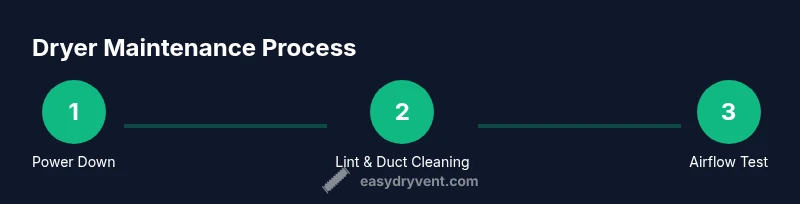
Start by powering off the dryer and unplugging it from the wall. If you’re working on a gas model, shut off the gas supply and ventilate the area. Move the dryer slightly away from the wall to gain clear access to the vent connection. Loosen clamps or screws that hold the duct to the dryer and the exterior vent housing, then carefully disconnect the duct. This upfront access is essential to assess the entire vent path for debris and damage. Pro tip: take a quick photo of the original setup so you can reassemble accurately.
Step 2: Remove the lint trap and inspect housing
Open the lint trap housing and remove any trapped lint. Wipe the cavity with a damp cloth or a small brush to remove fine dust. Inspect the trap for signs of wear, such as torn screens or deformities that reduce lint capture. Replace worn screens to maintain optimal airflow. Remember that lint buildup isn’t limited to the trap; lint can accumulate inside the housing and behind panels, so a thorough inspection helps maintain airflow and reduce fire risk. Pro tip: wear a mask if you’re sensitive to dust.
Step 3: Inspect the exhaust duct for lint and damage
Carefully inspect the duct along its entire length for lint buildup, kinks, or crushed sections. Use the vent brush to dislodge lint and vacuum away loosened debris. If you notice crushed sections or obvious damage, schedule repair or replacement rather than attempting a crude fix. Damaged ducts reduce airflow, raise operating temperatures, and increase wear on the dryer. Pro tip: check all elbows and joints—lint often hides in bends.
Step 4: Clean the vent path from the dryer to the outside
With the duct disconnected, insert the vent brush into the interior ducts and push through to remove stubborn lint. Use the vacuum to capture loose debris as you pull the brush back. Make sure you reach the exterior vent as well, clearing any bird nests or insect debris that could block airflow. Exterior cleaning also reduces potential moisture buildup that could lead to mold. Pro tip: work in sections and rotate the brush to maximize lint removal at each bend.
Step 5: Reassemble and seal the duct
Reconnect the duct to the dryer and exterior vent carefully. Tighten clamps and use foil tape to seal all joints, ensuring there are no air leaks. Poor seals can reduce efficiency and allow lint leakage into living spaces. Double-check that the duct is free of kinks and stored in a way that avoids crushing. Pro tip: avoid plastic wrap or tape that isn’t rated for high-temperature applications.
Step 6: Check airflow and performance
Plug the dryer back in and start a test cycle with a load that won’t cause excessive shedding (like a few towels). Place a tissue near the vent outlet to gauge airflow. If the tissue barely moves, there may still be a blockage or a weak fan. Listen for unusual noises which could indicate a loose component. Pro tip: compare current airflow with your past maintenance sessions to gauge improvement.
Step 7: Run a test cycle and observe drying times
Run a standard drying cycle and monitor how long it takes for clothes to dry completely. A noticeable decrease in drying time typically indicates improved airflow. If drying time remains long, re-check seals and vents for leaks or obstructions. Record the cycle duration and any anomalies for future reference. Pro tip: use a simple log to track improvements over time.
Step 8: Schedule ongoing maintenance and keep records
Create a simple maintenance schedule—quarterly for high-use households, biannually for light use. Record the date, actions taken, and any parts replaced. Regular documentation helps you notice trends, plan replacements, and justify professional service when needed. Easy DryVent recommends documenting each step to simplify future maintenance and ensure safety protocols are followed.
Common mistakes and how to avoid them
Common mistakes include failing to unplug the unit, over-tightening duct joints (causing crushing), and neglecting exterior vents. Avoid using metal tools that can gouge the duct interior; use the right brush sizes for smooth cleaning. Don’t skip inspecting the exterior vent or assume a simple surface wipe is enough. Always test airflow after maintenance to verify success. Pro tip: create a repeatable checklist so nothing is missed during every maintenance cycle.
Troubleshooting quick fixes after maintenance
If you notice still-long drying times after maintenance, check for non-obvious blockages like lint beyond the elbow joints or a bird’s nest at the exterior vent. A loose connection or improper tape sealing can reduce airflow. If you smell burning or hear unusual noises, shut down the unit and consult a professional immediately. For many households, a simple re-cleaning and resealing will restore performance, but more serious duct damage requires replacement.
Tools & Materials
- Vacuum with brush attachment(Essential for removing lint from interior surfaces and the vent path.)
- Dryer vent brush (long, flexible)(Reach the full duct length; clean bends and elbows thoroughly.)
- Screwdriver set (Phillips and flat-head)(Loosen clamps and panel screws as needed.)
- Duct tape or foil tape (high temperature)(Seal joints to prevent leaks after cleaning.)
- Flashlight(Illuminates dark duct sections for thorough inspection.)
- Voltage tester (optional)(Confirm power is truly off if you’re unsure.)
Steps
Estimated time: 90-120 minutes
- 1
Power down and gain access
Unplug the dryer and, if applicable, shut off the gas supply. Move the unit slightly away from the wall to expose the vent connection. Loosen clamps or screws that hold the duct to the dryer and exterior vent so you can safely disconnect the duct.
Tip: Double-check power is off with a voltage tester if you’re unsure. - 2
Remove lint trap and inspect housing
Open the lint trap housing and remove any debris. Check the trap screen for wear and replace if necessary. Wipe the cavity clean to reduce lingering dust and identify any hidden lint buildup.
Tip: A clean housing improves airflow and reduces fire risk. - 3
Inspect exhaust duct for lint and damage
Carefully examine the duct along its length for lint buildup, kinks, or damage. Use the vent brush to loosen debris and vacuum after each pass. Replace damaged sections promptly to maintain proper airflow.
Tip: Debris often hides at bends—don’t skip elbows. - 4
Clean the interior and reach exterior ducts
Insert the vent brush into the interior ducts, pushing through to remove stubborn lint. Vacuum as you pull back to collect loosened debris. Extend cleaning to the exterior vent opening to remove nests and blockages.
Tip: Work in sections to ensure thorough coverage. - 5
Reconnect and seal the duct
Attach the duct back to the dryer and exterior vent. Tighten clamps and seal joints with foil tape to prevent air leaks. Confirm there are no kinks or crushed areas that impede airflow.
Tip: Proper sealing saves energy and boosts performance. - 6
Check airflow and performance
Plug in and run a short, no-load cycle to verify airflow. Observe the outlet vent—air should flow steadily and lint should collect minimally on the intake filter.
Tip: Poor airflow may indicate hidden blockages or seal issues. - 7
Run a test cycle and monitor times
Dry a small load and compare cycle time to baseline. A noticeable reduction indicates improved efficiency; if not, re-evaluate joints and duct sections for leaks or damage.
Tip: Record cycle times to track improvements over time. - 8
Document and plan next maintenance
Log the date and actions taken, plus any parts replaced. Schedule the next maintenance iteration based on usage level to maintain safety and efficiency.
Tip: Keeping records helps predict failures before they occur. - 9
Final safety check and clean-up
Return the dryer to its normal position, reconnect power, and perform a final safety sweep. Ensure the area is dry and free of loose tools or lint.
Tip: Never leave tools or debris around the appliance after maintenance.
Common Questions
How often should I perform dryer maintenance?
For most homes, a basic check every 6-12 months is beneficial. Higher usage may warrant quarterly checks, especially for gas dryers where venting and safety matter more. Easy DryVent recommends recording maintenance dates to track performance.
We recommend checking your dryer every 6 to 12 months, or more often if you use it daily. Keep a simple log to track when you cleaned the vent and lint trap.
Can I clean the dryer vent myself, or should I hire a pro?
Many homeowners can safely perform vent cleaning with proper tools and caution. If you encounter long, complex duct runs, heavy buildup, or external damage, consider professional service.
Yes, you can clean it yourself if you follow safety steps and use the right tools. If you see obvious damage, get a pro.
What signs indicate the vent needs cleaning?
Slow-drying, clothes still damp after a full cycle, overheating, or a burning odor are red flags. Dirty vents raise energy use and pose a fire hazard.
If clothes take longer than normal to dry or you notice heat or odor, clean the vent and inspect the duct.
Is maintenance different for gas vs electric dryers?
Basic maintenance steps are similar, but gas dryers require extra attention to vent integrity and CO safety. Always ensure detectors are functioning and the gas line is secure.
Gas dryers share venting needs with electric ones, but you should also check CO detectors and proper gas safety.
What safety precautions are essential for DIY maintenance?
Unplug the dryer, avoid touching hot surfaces, and wear eye protection and a mask when cleaning. Keep kids and pets away from the workspace.
Unplug first, wear safety gear, and keep the area child-free during maintenance.
What tools are most helpful for DIY dryer maintenance?
A vacuum with a brush, a long vent brush, duct tape, and a screwdriver set are the core tools. A flashlight helps you see inside dark ducts.
Use a vacuum with a brush and a long vent brush, along with duct tape for sealing joints, to keep things simple and safe.
Watch Video
Key Points
- Perform a thorough lint trap and vent inspection to maximize airflow.
- Use proper sealing to prevent energy loss and lint leaks.
- Document each maintenance session for future reference.
- Schedule regular checks to prevent fire hazards and improve drying times.
- Seek professional help for complex venting issues or damaged ducts.