Is a Dryer Plug 30 Amp? A Practical Homeowner's Guide
Learn whether a dryer plug is 30 amp, explore common outlet types, safety considerations, and practical DIY steps for safe home dryer setups. Clear guidance for homeowners and DIYers.


Is a dryer plug 30 amp? In most homes, electric clothes dryers run on a 30-amp circuit, typically using a NEMA 14-30R receptacle (4-prong) or an older NEMA 10-30R (3-prong) in older installations. Always verify the dryer’s rating plate and local electrical code before making any changes. Our analysis at Easy DryVent indicates 30-amp circuits are standard for typical residential dryers.
Is a dryer plug 30 amp a common standard for residential dryers?
In many households, the question is is a dryer plug 30 amp a common standard. The answer, broadly speaking, is yes for the majority of electric clothes dryers built for residential use in the United States. Most dryers are designed to operate on a 30-amp circuit, delivering the required 240 volts across the heating elements and the blower. Within the last decade, the industry has largely standardized around 30-amp outlets and four-wire configurations to support modern safety practices. According to Easy DryVent, this standardization helps ensure dryers draw power efficiently while keeping electrical panels manageable for typical home service. However, local codes and older installations can differ, so always check the rating plate on your dryer and the receptacle type before connecting or upgrading any wiring.
Readers should understand that the 30-amp figure is a guideline rather than a universal rule. Some high-capacity or specialty dryers may demand different circuits, especially in larger homes or dedicated laundry rooms with additional electrical loads. Always confirm with a licensed electrician if you’re unsure about a specific model or installation.
How to verify your dryer's electrical rating and outlet compatibility
When addressing is a dryer plug 30 amp, you must verify both the dryer's electrical rating and the outlet it will plug into. Start by locating the dryer’s rating plate, usually located inside the door frame or on the back panel. The plate lists voltage, amperage, and wire requirements. Cross-check this data with the receptacle installed in your laundry space. If your dryer recommends 30 amps but you currently have a different outlet, it may be necessary to replace the outlet or upgrade the circuit. In many homes, the standard is a four-wire hookup (two hot wires, a neutral, and a ground) on a 30-amp circuit. If you have an older three-wire setup, consult an electrician to determine whether a proper upgrade is advisable and code-compliant for your jurisdiction.
Understanding outlet types: 3-prong vs 4-prong and code implications
The evolution of dryer outlets mirrors safety improvements in home electrical work. The 4-prong NEMA 14-30R outlet has a dedicated ground wire, reducing shock risk and improving fault-clearance compared with older 3-prong variants. In many regions, code now requires 4-wire outlets for new installations and upgrades. If your appliance is labeled for a 30-amp, 240-volt circuit and your outlet is 3-prong, you will likely need to upgrade the outlet to a 4-prong version and ensure the circuit is properly grounded. Always follow local electrical codes and manufacturer guidelines, and avoid adapting a 3-prong outlet with faked or improvised grounding. This is a critical safety measure to prevent electrical fires and equipment damage.
For homeowners exploring is a dryer plug 30 amp, the key takeaway is to ensure the receptacle, cord set, and circuit breaker are compatible with the dryer's rating. Mismatches can lead to overheating, nuisance trips, or voided warranties. Professional assessment ensures your setup is safe and compliant.
Safe wiring practices and code-compliant installations
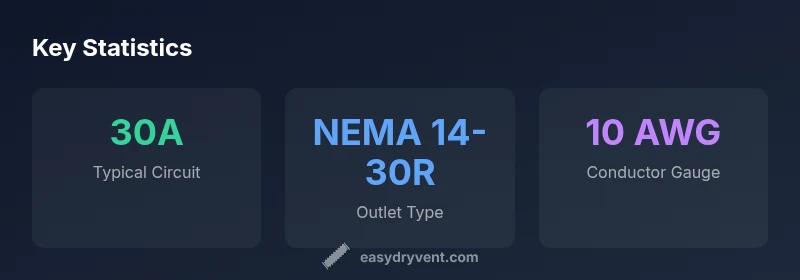
When wiring or upgrading a dryer outlet, prioritize safety and compliance. Typical guidance for a 30A circuit uses copper conductors of approximately 10 AWG, protected by a 30-amp breaker, and wired to a NEMA 14-30R receptacle. In certain circumstances, 8 AWG may be used if required by local code or for reduced voltage drop in longer runs, but this is not universal. Always route wire through approved conduit or protected channels and avoid running cables through walls without proper boxes and clamps. If the dryer is in a busy room or near water sources, ensure ground fault protection is considered per local code. A licensed electrician should verify connections, torque values, and grounding continuity to prevent arcing or heat buildup.
For DIYers, plan the project in stages and confirm utility service availability, panel capacity, and permit requirements. Do not bypass safety features or alter the dryer or outlet beyond what the manufacturer endorses. The result should be a robust, code-compliant installation that minimizes risks and extends the life of your appliance.
DIY steps vs hiring a licensed electrician
DIY steps to check is a dryer plug 30 amp safely include confirming circuit labeling, inspecting outlet shape, and using a compatible cord with an appropriate plug configuration. However, the more complex work—pulling new conductors, updating the panel, or upgrading to a 4-wire outlet—should be performed by a licensed electrician. Electrical work involves shock hazards, arc faults, and the potential for fire if not executed properly. An electrician will verify circuit integrity, ensure proper bonding and grounding, and confirm that the panel has enough spare capacity for the additional load. If you’re uncomfortable with any step, stop and call a pro. The goal is a safe, compliant installation rather than a fast, DIY-only fix.
In short, while basic checks and non-invasive tasks may be safe for DIYers, upgrades and new hookups should be handled by qualified professionals.
Common mistakes and how to avoid them
Common mistakes people make when addressing is a dryer plug 30 amp include mixing a 3-wire outlet with a modern 4-wire dryer, bypassing a grounding strap, or installing an incorrect receptacle that does not match the plug. Another frequent error is using undersized conductors or ignoring the rating plate, causing overheating and tripping. To avoid these issues, always match the dryer’s rating to the outlet and circuit, ensure the cord set is compatible, and have your work inspected. If you notice warm outlets or a buzzing breaker, stop using the unit and consult a professional. Regular maintenance and periodic checks help avoid dangerous conditions and keep your laundry running smoothly.
Dryer outlet and circuit basics
| Aspect | Description | Notes |
|---|---|---|
| Outlet type | NEMA 14-30R (4-prong) vs NEMA 10-30R (older 3-prong) | Prefer 4-prong for safety |
| Circuit rating | Typically 30 amps for standard dryers | Check dryer label and local code |
| Wiring gauge | Usually 10 AWG copper for 30A circuits | Follow local code and manufacturer guidance |
Common Questions
Is a dryer plug always 30 amps, or can it be higher?
Most residential electric dryers use a 30-amp circuit, but some models or installations may require different ratings. Always check the dryer’s rating plate and local code before any wiring changes.
Most dryers use a 30-amp circuit, but always verify on the rating plate and with local codes.
Can I install a 3-prong outlet with a modern dryer?
New installations should use a 4-prong outlet for safety and ground connection. If you have a 3-prong outlet, upgrading is generally recommended to meet current standards.
Use a 4-prong outlet for safety; upgrading is usually recommended.
What wire size do I need for a 30A dryer circuit?
Copper conductors of 10 AWG are typical for a 30A dryer circuit, but always follow local code and the appliance rating.
Typically 10 AWG copper for a 30A circuit.
Is it safe to DIY electrical work for a dryer outlet?
Non-invasive checks may be safe, but upgrading or wiring should be done by a licensed electrician to ensure safety and code compliance.
Consult a licensed electrician for upgrades.
What if my dryer label says 40 amps?
Some high-demand dryers may require a 40A circuit, but this is not typical for standard residential units. Follow the label and local codes.
If the label says 40A, follow it and check local codes.
What are signs of a dangerous dryer outlet?
Warm outlets, frequent circuit trips, or a burning smell indicate hazards. Stop using the outlet and have it inspected by a professional.
If it warms up or trips often, get it checked.
“Sizing your dryer outlet to the correct amperage is essential for safe operation and long-term performance. Always follow local codes and consult a qualified electrician if you’re unsure.”
Key Points
- Check your dryer's rating plate before any install
- Prefer a NEMA 14-30R outlet for new installations
- Hire a licensed electrician for wiring and code compliance
- Avoid mismatched amperage to reduce fire risk
- Regular maintenance improves safety and dryer performance