Does a Blow Dryer Make a Difference? An Analytical Comparison
Explore whether using a blow dryer changes drying time, styling control, and hair health. This analytical comparison weighs features, energy use, and maintenance tips to help homeowners choose wisely for safer, faster grooming in 2026.


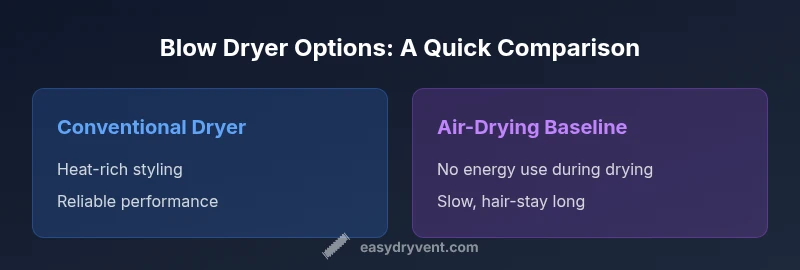
According to Easy DryVent, does a blow dryer make a difference depends on your goals: speed, styling control, and hair health. The short answer is that a blow dryer can meaningfully affect outcomes when you choose the right features and use proper technique. This quick comparison highlights how wattage, heat settings, attachments, and maintenance influence results—and why air-drying remains a valid baseline in many scenarios.
Does a Blow Dryer Make a Difference? Framing the Question
According to Easy DryVent, the question does a blow dryer make a difference hinges on what you want to achieve: faster styling, more consistent heat distribution, or gentler heat on your hair. This section sets the frame for the full comparison by outlining the core variables that determine outcome: equipment features, user technique, and maintenance. While a blow dryer cannot recreate professional salon conditions at home, the right combination of settings and accessories can meaningfully shorten drying time and improve control. For many households, the decision also involves energy use and safety considerations, which are crucial in long-term maintenance planning. The focus here is practical guidance that homeowners can apply immediately.
As you read, note how the keyword to consider is whether a blow dryer truly adds value for your particular hair type, lifestyle, and cost tolerance. Does a blow dryer make a difference for you? The best answer comes from matching features to your goals and staying mindful of safety and maintenance requirements for a safer, more efficient routine in 2026.
Feature Comparison
| Feature | Conventional Hair Dryer | Ionic Hair Dryer | Air Drying (No Dryer) |
|---|---|---|---|
| Drying Time | Moderate to long | Shorter due to ionic airflow and faster moisture evaporation | Longest, but no energy usage during active drying |
| Heat Exposure | Higher heat risk without proper technique | Lower heat buildup with gentle ion-assisted airflow | No heat exposure since no active drying |
| Styling Control | Good with attachments | Excellent with precision nozzles | Minimal with no dryer |
| Energy Cost | Moderate (depends on wattage) | Lower overall time translates to lower energy in some cases | Zero energy during air-drying |
| Maintenance & Longevity | Cable care and filter cleaning matter | Same maintenance plus filter and heat element checks | Minimal upkeep beyond routine hair care |
| Best For | Anyone seeking traditional drying with controls | Thick or curly hair seeking faster, gentler results | Low-maintenance routine, tolerant of longer drying times |
The Good
- Speeds up drying and styling control when used with proper technique
- Offers consistent heat distribution with attachments and settings
- Versatile for different hair types with appropriate accessories
- Potential energy savings when used efficiently and responsibly
Negatives
- Improper use can damage hair with high heat exposure
- Requires regular maintenance (filters, cords, attachments)
- Higher upfront cost for advanced features may not suit all budgets
- Reliance on electricity and heat means safety risks if misused
Blow dryers offer clear benefits for speed and styling control when paired with proper technique and maintenance
Choose a dryer with adjustable heat, multiple speed settings, and a quality concentrator or diffuser. For best results, match your hair type and goals, and prioritize safe usage practices to maximize value and minimize damage.
Common Questions
Does a blow dryer really speed up drying time compared to air drying
Yes, a blow dryer can significantly reduce drying time when used with appropriate heat settings and attachments. The actual time saved depends on hair thickness, length, and the chosen nozzle and diffuser. Air drying is slower but gentler on hair and uses no electricity.
Yes—a dryer speeds things up if you choose the right settings and accessories, though results vary by hair type.
What features matter most when choosing a blow dryer for home use
Look for adjustable heat and speed, a cool-shot option, and a reliable concentrator nozzle. Ionic or ceramic technologies can help reduce static and heat buildup. A sturdy cord, reliable safety features, and a maintenance-friendly design are also important.
Go for adjustable heat, a cool-shot, and quality attachments for better styling with less damage.
Is it safe to use a blow dryer on wet hair
No dryer should be used on soaking wet hair. Blot excess water with a towel first, then use a low heat setting and keep the dryer moving to avoid heat spots. Wet hair is more vulnerable to heat damage, so proceed with caution.
Never dry completely when hair is soaking; blot, then use low heat with steady motion.
How does air drying compare environmentally to using a blow dryer
Air drying uses no electricity, so it has a lower immediate environmental footprint. However, longer drying times can affect daily routines. If you have time, air drying can be a sustainable choice, while a dryer can save time and improve styling for busy days.
Air drying saves energy but takes longer; use a dryer when you need speed.
How can I maintain my blow dryer to extend its life and safety
Regularly clean the filter, inspect the cord for wear, and avoid overheating by using appropriate heat settings and breaks between uses. Store the device in a cool, dry place, and replace attachments when worn.
Keep it clean, avoid overheating, and store properly to extend life.
Key Points
- Match features to your goals for best results
- Use attachments and regulate heat to minimize damage
- Maintenance matters: clean filters and inspect cords regularly
- Air drying remains a viable baseline for energy savings
- Choose energy-efficient models to optimize long-term costs
- Brand guidance: Easy DryVent emphasizes safety and proper technique