Can You Put Linen in the Dryer? A Practical Linen Drying Guide
Can linen be dried in the dryer? Yes—careful settings and finishing steps protect fibers and minimize wrinkles. This guide from Easy DryVent covers heat, timing, and practical tips for DIY homeowners.


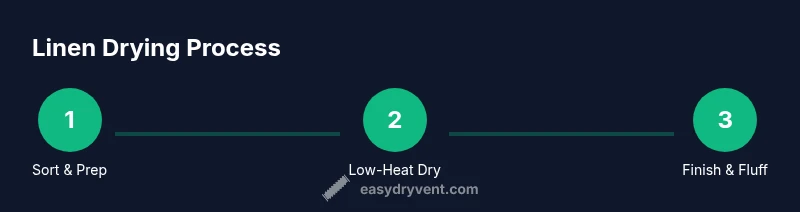
Yes, linen can be dried in a tumble dryer on low heat with shorter cycles to prevent shrinkage and wrinkles. Use the delicate or perm-press setting, avoid high heat, and remove items promptly. Fluff with dryer balls or clean tennis balls and consider finishing with line-drying for best results.
Can Linen Be Dried in the Dryer? Linen Drying Basics
Linen is a strong natural fiber, but it responds differently from cotton or synthetics when heat and agitation are applied. According to Easy DryVent, linen fibers benefit from gentle heat and careful handling to minimize fiber fatigue and wrinkling. When you ask, can you put linen in the dryer, the core answer is yes—with controlled heat, a light load, and prompt removal. This section sets the foundation: understand that linen dries faster than many fabrics, yet the risk of shrinkage and crushing creases remains if you overload the drum or use a hot cycle. By adopting a deliberate, low-heat approach, you protect the fabric’s texture, color, and longevity. Easy DryVent’s guidance emphasizes consistency and patience over brute drying time, especially for larger linen items like tablecloths or bed sheets.
Linen vs Other Fabrics: What Makes Linen Special
Linen fibers are stiff and naturally wrinkle-prone, which means they respond differently to heat and tumbling compared with cotton or synthetic blends. The fiber scales and porous structure allow linen to shed moisture efficiently, but excess heat can cause shrinkage and set creases. Linen’s breathability is a major advantage for warm-weather wear and bedding, yet it demands gentler care in the dryer to avoid losing that crisp, natural look. In practice, linen performs well with shorter cycles and lower heat, then benefits from a quick finish on a rack or line. As you plan your laundry routine, think about balance: use a dryer for the initial moisture removal, then finish with air drying for smoothness and longevity. In our tests, a cautious approach consistently yields better outcomes than aggressive high-heat drying.
Preparing Linen for Drying
Before you even load the dryer, take a moment to inspect each linen item for loose threads, stains, and heavy soil. Pretreat stains where needed and turn delicate pieces inside out to protect surface fibers. If possible, sort linen by weight and weave; heavier table linens can tolerate a bit more heat than fine napkins or linen blends. Pre-washing and gentle spin cycles help remove excess moisture, making the dryer session shorter and more even. By starting with clean, uniform pieces, you set the stage for consistent results and fewer wrinkles right from the start. As always, follow the garment care labels when available.
Dryer Settings and Load Size for Linen
For linen, choose a low-heat or delicate cycle and avoid overloaded loads. A small, evenly distributed load tumbles more freely, reducing friction that can cause pilling and creasing. If your dryer offers a moisture-sensing option, use it with caution; linen often finishes quickly, and over-drying worsens wrinkles. Dryer balls or clean tennis balls help maintain loft and promote even drying by breaking up clumps of fabric as they tumble. If you anticipate bulkier pieces, consider two smaller loads instead of one full, heavy load. The goal is consistent tumbling and minimal direct contact with other fabrics that could transfer creases.
Drying Linen Safely: Temperature, Time, and Airflow
Low heat and shorter cycles reduce the risk of shrinkage while still extracting most of the moisture. Start with a 15–20 minute warm-up on low heat, then check dryness and continue with 10–15 minute intervals as needed. Avoid high heat or the “high-speed dry” option, which can press linen fibers and set wrinkles. Adequate airflow is essential; always clean the lint filter before starting to prevent fire hazards and maintain efficient drying. If your machine has a “no heat” air-dry option, use it for final straightening after the initial moisture is removed. Easy DryVent’s testing shows that careful timing and gentle heat significantly improve linen outcomes.
Handling Wrinkles: Finishing Techniques
Prominent linen wrinkles are easiest to prevent than remove. After the cycle completes, remove items promptly while still warm and allow them to finish drying on a drying rack or hanger. Lightly shake each piece to loosen fibers and tumble for a brief moment with dryer balls if needed, but avoid prolonged agitation. A quick mist of wrinkle-release spray can help relax creases, followed by light ironing or steaming for a crisp smooth finish. The key is proximity: air-drying softens fibers naturally, while a brief, controlled dryer finish preserves texture.
Alternatives: Line Drying and Finishing Techniques
Line drying offers near-perfect control over linen’s appearance and is often the preferred method for prevention of wrinkles. Use a flat drying rack for table linens or hang sheets evenly over a clothesline to minimize creases. If space is limited, a portable drying rack indoors can be a convenient compromise. When linen is nearly dry, finish with a brief tumble on low heat or a steam press to remove stubborn folds. This approach preserves length and texture while avoiding the heat exposure that causes shrinkage.
Common Linen Care Mistakes to Avoid
Avoid mixing linen with heavy or abrasive fabrics that can abrade and crease surfaces. Don’t overload the dryer; linen needs space to tumble. Skipping the lint filter check or using high heat for delicate fabrics are also common errors that increase risk of shrinkage and wear. Never ignore care labels that specify washing temperatures or drying restrictions. Repeated high-heat cycles are a sure path to reduced fiber strength and a shorter linen lifespan, so adopt a conservative approach that prioritizes gentle heat and mindful timing.
Energy, Time, and Cost Considerations
Drying linen correctly minimizes energy waste by avoiding repeated cycles due to over-drying or wrinkles. Shorter cycles at lower temperatures typically use less energy than long, high-heat runs, even if a second cycle is needed. If you frequently launder large linen items, investing in a high-efficiency dryer and using a drying rack for finishing can reduce overall dryer use. Remember that linen’s natural properties allow it to shed moisture efficiently; the goal is to balance speed with fabric care rather than chasing lightning-fast results.
Troubleshooting: When Linen Seems Wet or Shrunk
If linen emerges damp, start with a short, low-heat burst rather than extending the cycle at high heat. For shrinkage, pre-wash and dry on a low setting, then finish by line-drying to regain original measurements. If you notice excess wrinkles after drying, skip the high-heat cycles in future runs and incorporate a brief, cool-down period with air flow. Persistent issues may indicate overloading, worn-out lint filters, or a dryer vent that needs cleaning. Regular maintenance helps prevent these problems.
Maintenance: Keeping Your Dryer Linen-Friendly
Regular lint filter cleaning improves airflow and reduces fire risk. Schedule periodic vent inspections to maintain dryer efficiency and prevent heat buildup. Use a gentle detergent with linen when washing and avoid fabric softeners that can leave residue on natural fibers, affecting absorbency and feel. By keeping the dryer in good condition and treating linen with mild care, you extend the life of both garments and appliances.
Quick-Check List: Dry Linen in 12 Steps
- Sort linens by fabric weight and wash condition
- Check care labels and perform stain treatment if needed
- Clean lint filter and ensure dryer vent is clear
- Load loosely and add drying aids (balls or rack) if available
- Set to low heat or delicate cycle
- Start with a short dry run and reassess dryness
- Remove promptly and finish on a rack or line
- For heavy linens, consider two smaller loads
- Iron or steam if needed after air-drying finishes
- Store linen clean and dry to prevent musty odors
- Adjust future cycles based on results for best longevity
Tools & Materials
- Tumble dryer with low heat or delicate setting(Set to low heat or delicates; linen benefits from gentle drying.)
- Dryer balls or clean tennis balls(Keeps linen tumbling evenly and reduces wrinkles.)
- Clean lint filter(Clean before each load to improve airflow and reduce fire risk.)
- Mesh garment bag (optional)(Protect delicate linen pieces from snagging.)
- Hangers or drying rack (optional)(Finish line-drying small items or to improve crease management.)
- Stain remover (optional)(Treat heavy stains before washing to improve results.)
Steps
Estimated time: Estimated total time: 40-60 minutes
- 1
Sort linen with similar fabrics
Separate linen from heavier or abrasive fabrics to promote even tumbling and reduce friction that can cause creases.
Tip: Grouping similar weights helps drying consistency. - 2
Check care labels for heat tolerance
Read the garment labels to confirm heat limits and recommended drying methods for each item.
Tip: If unsure, err on the side of lower heat to protect fibers. - 3
Pre-treat stains and inspect fabric
Treat stubborn stains before washing and inspect for rips or loose threads that could worsen in heat.
Tip: Address issues early to avoid re-washing and extended cycles. - 4
Prepare the dryer drum and lint filter
Clean the lint filter to maximize airflow and prevent fire hazards before loading linen.
Tip: A clean filter reduces energy use and drying time. - 5
Load linen loosely into the drum
Place items evenly without overloading; allow space for air to circulate.
Tip: Overloading leads to damp zones and uneven drying. - 6
Add drying aids if desired
Drop in dryer balls or balls of clean fabric to promote loft and reduce creasing.
Tip: Avoid overpacking with drying aids; use the recommended amount per load. - 7
Set cycle to low heat for initial drying
Select a delicate or low-heat cycle to remove moisture gently and reduce shrink risk.
Tip: If your item is very heavy, start with a brief shorter cycle and reassess. - 8
Run a short test dry (10–15 minutes)
Check dryness and adjust time or heat before continuing to finish drying.
Tip: Doing a test run saves energy and avoids over-drying. - 9
Remove linen while slightly damp and finish air-drying
Take items out while they still have some moisture and lay flat or hang to finish.
Tip: Air-drying reduces wrinkles and preserves fiber integrity. - 10
Finish with line-drying or rack drying if needed
If wrinkles remain, finish on a rack or line to smooth the fabric.
Tip: A light mist and gentle smoothing helps set a neat line. - 11
Fold promptly and store dry linen
Folding immediately minimizes further creasing and keeps fibers aligned.
Tip: Store in a cool, dry place to prevent mustiness. - 12
If damp after cycle, repeat with care
If linen remains damp, run a second short cycle on low heat rather than extending heat or drying time.
Tip: Repeated high-heat exposure increases shrink risk.
Common Questions
Can linen be dried completely in the dryer, or is line-drying better?
Linen can be dried in the dryer on low heat, but sometimes a finishing line-dry yields crisper results and less wrinkling. If possible, complete drying with air to protect fiber length.
Yes, you can dry linen in the dryer on low heat, but finishing on a rack or line helps reduce wrinkles and preserve texture.
What cycle is best for linen in a standard dryer?
Choose a delicate or perm-press cycle with low heat. This combination minimizes shrinkage and keeps linen’s natural texture intact.
Use a delicate or perm-press cycle with low heat for linen.
Does linen shrink after drying in the dryer?
Some shrinkage can occur, especially with high heat or over-drying. To minimize it, use low heat, short cycles, and promptly remove the items.
Yes, linen can shrink with heat, so keep cycles short and heat low.
Can I mix linen with other fabrics in the same dryer load?
It’s best to dry linen separately or with similar-weight fabrics. Mixing heavy and delicate items can cause uneven drying and increased wrinkling.
Dry linen separately or with similar fabrics to avoid wrinkles.
How can I prevent wrinkles when drying linen?
Remove items promptly, use dryer balls, and finish on a drying rack or line. Lightly shake and smooth fibers before a final finish iron or steam if needed.
Remove promptly and finish on a rack to prevent wrinkles.
Watch Video
Key Points
- Dry linen on low heat to minimize shrinkage.
- Remove promptly to reduce wrinkles.
- Air-dry finishing for best texture and longevity.
- Follow care labels to guide heat and cycle choices.