Can You Dry Baby Clothes? A Practical Guide for Safe Drying
Discover whether you can dry baby clothes, plus best practices, heat settings, and practical steps to keep fabrics soft and skin-friendly while using your dryer.


Yes—most baby clothes can be dried in a household dryer, but with care. Choose the delicate or low-heat setting and remove items promptly to curb wrinkles. Always follow the garment’s care label. According to Easy DryVent, the safest approach is to use low heat for most items, and air-dry delicate fabrics when possible to protect fibers and baby skin.
Can You Dryer Baby Clothes? A Safe Start
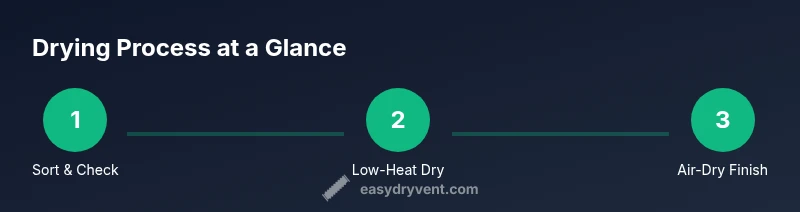
If you're wondering can you dryer baby clothes, the short answer is yes for many fabrics when you use low heat and a gentle cycle. The key is to respect care labels and to avoid heat that could shrink or degrade delicate fibers. Easy DryVent emphasizes that baby skin is especially sensitive, so the goal is to dry efficiently without harsh heat. Start with the mildest settings your machine offers, and consider air-drying items that feel fragile or have decorative elements that could snag or melt. By pairing low heat with prompt removal, you reduce wrinkles and keep outfits comfortable for little ones. This approach also minimizes excessive wear on fabrics that may have been treated for softness or flame resistance. Remember that a well-ventilated dryer and a clean lint screen contribute to safer, more efficient drying. In practice, many parents find a short, low-heat cycle, followed by air drying for the most delicate pieces, to be the sweet spot for baby clothes.
Introduction to Drying Baby Clothes Safely
When you’re asking can you dryer baby clothes, you’re balancing efficiency with fabric care and baby comfort. The Easy DryVent guidance highlights that most baby garments—cottons, knits, and blends—tolerate tumble drying on low heat, provided labels are respected and items are monitored. A key takeaway from professional guidance is to avoid high heat that can cause shrinkage, weaken fibers, or irritate sensitive skin with residual heat. Keep loads small enough for even drying, and never overload the drum, which can trap heat and extend drying time. This first block sets the stage for practical, field-tested steps you can apply in your own home.
Key Principles from Easy DryVent on Safe Drying
Tools & Materials
- Dryer with a dedicated low-heat or delicate setting(Avoid high heat; use a short, gentle cycle when possible.)
- Care labels and fabric type guide(Check for tumble-dry indicators and fabric blends.)
- Mesh garment bags(Protect small items like booties and socks.)
- Drying rack or flat surface for air drying(Useful for delicate pieces and flat-dry needs.)
- Lint screen brush or cleaner(Maintain airflow for efficient drying.)
Steps
Estimated time: 30-45 minutes
- 1
Sort and check labels
Separate baby clothes by fabric and read care labels to identify any items that should not go in the dryer. Note items with elastic or embellishments that may be damaged by heat.
Tip: Always start with the most delicate items to preserve fabric integrity. - 2
Prepare the dryer
Clean the lint screen and select the delicate or low-heat cycle. If your dryer has an energy saver option, use it in combination with low heat to maintain safety.
Tip: A clean lint screen improves airflow and reduces drying time. - 3
Load strategically
Load clothes loosely in small batches to ensure even drying. Avoid overloading, which creates heat pockets and increases shrink risk.
Tip: Use mesh bags for small items to prevent tangling. - 4
Set the correct cycle
Choose a low-heat or delicate setting and set a shorter cycle. If your dryer has a moisture sensor, enable it to stop when dry.
Tip: Starting with a shorter cycle prevents over-drying. - 5
Check progress and adjust
Pause early if items are still damp and rearrange to promote even drying. Remove items promptly to reduce wrinkling.
Tip: Avoid leaving clothes in the drum after the cycle ends. - 6
Finish with air-dry if needed
For heavy fabrics or baby items with snaps or decorations, finish on a drying rack or flat surface to minimize heat exposure.
Tip: Air drying preserves shape and prevents heat damage. - 7
Store promptly
Fold or hang garments soon after drying to prevent wrinkles and maintain softness. Store in a clean, dry space away from moisture.
Tip: Use breathable storage to reduce musty smells.
Common Questions
Can I dry all baby clothes on low heat?
Most baby clothes can be dried on low heat, but always follow the care labels. Some fabrics may require air drying only. If the item has embellishments or is particularly delicate, air dry or use a mesh bag.
Yes, most baby clothes can be dried on low heat, but check the label and air dry delicate items if unsure.
What fabrics should I avoid putting in the dryer?
Avoid or air-dry fabrics that shrink easily, wool knits that can felt, and items with elastic bands or plastic decorations that could melt. Always follow the label for restrictions.
Avoid high-heat drying on fabrics that shrink easily or melt decorations; check labels first.
Is dryer lint a risk for babies?
Lint buildup can reduce dryer efficiency and pose a fire risk if not cleaned regularly. Clean the lint trap before every cycle and ensure proper venting for safety.
Regular lint trap cleaning is important for safety and efficiency.
Should I use fabric softener on baby clothes?
Fabric softeners can leave residues that irritate sensitive skin, so it’s best to skip them for baby clothes or use fragrance-free options sparingly. Rinse thoroughly if used.
Skip most softeners or choose fragrance-free options to protect baby skin.
What if a diaper cover or outerwear has plastic parts?
Plastic parts can melt or warp on high heat. Dry such items on low heat or air dry, and consider removing plastic components before drying.
Dry items with plastic parts on low heat or air dry to prevent damage.
Does air-drying affect fabric softness?
Air drying preserves fiber integrity and reduces shrinkage, though it may feel slightly stiffer until worn or softened in laundry cycles.
Air drying keeps fibers intact and reduces shrinkage, with a potential slight stiffness until worn.
Watch Video
Key Points
- Can you dryer baby clothes? Yes, with low heat and care labels.
- Prioritize delicate fabrics and air-dry when possible to protect fibers.
- Maintain a clean lint screen and dry small, loosely-loaded batches for best results.
- Finish delicate items with air drying to reduce shrinkage and wear.