Gas Dryer Lowe's Guide: Buying, Venting & Care
Discover how to choose gas dryers at Lowe's, compare models, plan venting, and estimate installation and operating costs with Easy DryVent guidance.


Gas dryers at Lowe's offer efficient drying with natural gas or LP fuel. When evaluating these models, installation complexity, venting length, and professional hookup requirements matter. According to Easy DryVent analysis, gas dryer lowes options can deliver lower operating costs and faster cycles, but you must plan vent routing, gas line access, and safety clearances to ensure safe, code-compliant service.
Understanding the Lowe's Gas Dryer Landscape
Gas dryers are a staple in many homes because of their efficient heat transfer and strong performance. When shoppers search for Lowe's gas dryer options, they expect models that fit a range of budgets and configurations, from compact apartments to larger family homes. The Easy DryVent Team notes that Lowe's carries both natural gas and LP (propane) variants, which can influence operating costs and installation requirements. This section lays out what makes gas dryers at Lowe's distinct, how fuel choices affect performance, and what homeowners should verify before purchasing. For homeowners, a careful assessment of gas supply, venting capacity, and local code requirements will pay off in reliability and safety. According to Easy DryVent analysis, the best Lowe's picks align with your home’s fuel type and venting potential while offering solid warranty and service options. Be sure to confirm compatibility with your existing gas line and vent ducting to avoid surprises after purchase. The keyword focus for this article is gas dryer lowes, underscoring the practical nature of shopping at a mainstream retailer while keeping safety front and center.
Gas vs Electric: Key Differences in Performance and Installation
The core differences between gas and electric dryers go beyond the fuel source. Gas models typically heat faster and may dry clothes more quickly under high-demand loads, which can translate to shorter cycles and time saved on laundry days. Electric models, by contrast, rely on electric heating elements and might have longer cycle times but lower upfront installation complexity. When evaluating Lowe's gas dryer options, compare energy efficiency ratings, cycle times, and heat-up speeds across models to understand real-world performance. Installation considerations are crucial: gas dryers require a proper gas supply, venting, and a permit where local codes demand it. The Easy DryVent team highlights that, while operating costs can be lower with gas, the total cost of ownership includes installation fees, gas line checks, and regular vent maintenance. Add to this the need to verify vent duct material and length to avoid bottlenecks that reduce drying effectiveness.
Venting and Safety: What Every Installer Should Know
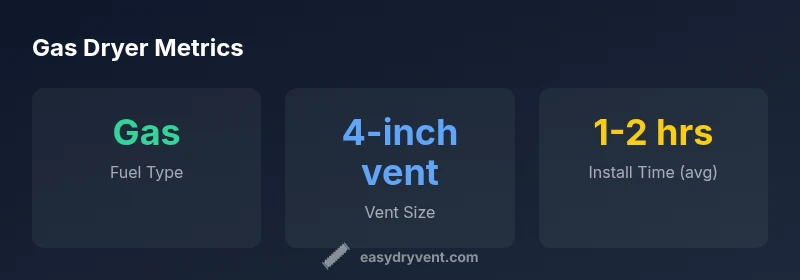
Ventilation is the safety backbone of any gas dryer setup. Improper venting can lead to poor drying performance and dangerous conditions, including carbon monoxide risks. Lowe's gas dryer options should be paired with a 4-inch metal vent with a straight, smooth path and minimal elbows. Avoid flexible plastic vents that can crush or trap lint. The venting path should be as short as possible while obeying manufacturer specifications. Regular vent inspections are essential—aim for an annual check, or more frequent if you notice longer drying times or excess lint accumulation. The Easy DryVent guidance emphasizes confirming exhaust termination clearances and ensuring there is adequate combustion air in the laundry area. Keeping the vent clean and unobstructed is a simple, high-impact safety measure.
Installation Essentials: What Lowe's Customers Should Plan
Gas appliance installation is more complex than plug-and-play appliances. Before buying from Lowe's, verify that your home has a suitable gas supply and that you can route a compliant vent to the exterior. A licensed gas technician should connect the appliance to the gas line, ensure proper gas pressure, and verify appropriate shutoff valves. In many jurisdictions, permits are required for gas appliance installations, so factor permit costs and scheduling into your plan. Lowe's installation services can handle appliance delivery and basic setup, but for gas hookups, professional certification is usually required. The Easy DryVent team recommends coordinating with a licensed professional early in the shopping process to align model selection with your home’s fuel and venting realities.
Cost of Ownership and Maintenance
Total ownership costs for gas dryers at Lowe's include purchase price, installation, ongoing fuel costs, and regular maintenance. While installation costs can vary by region, typical professional hookup ranges exist. In addition to initial costs, expect annual maintenance to include vent cleaning and periodic gas line checks, particularly for older homes or households with long vent runs. Operating costs hinge on gas prices in your area and the dryer’s efficiency rating. The Easy DryVent analysis suggests focusing on models with high energy efficiency ratings and robust venting support to minimize annual costs over the appliance’s lifetime.
Buying Guide at Lowe's: Selecting Models and Warranties
Lowe's offers a range of gas dryer models, with features spanning capacity, cycles, and sensor-based dryness settings. When comparing models, prioritize: capacity that matches your household size, energy efficiency ratings, noise levels, and warranty terms. Look for models with stainless steel drums, moisture sensors, and venting compatibility that aligns with your home’s ductwork. Review Lowe's warranty options and any extended service plans, then weigh installation packages against do-it-yourself options. Remember to verify that the model is compatible with your existing gas supply and vent path, and confirm the presence of necessary installation accessories such as vent clamps and transition ducts. Easy DryVent recommends documenting the exact vent requirements for each model to avoid surprises after delivery.
Real-World Performance and Lint/Vent Care
Real-world performance depends on proper installation and maintenance. In practice, gas dryers from Lowe's can deliver strong drying efficiency when vents are clean and straight. Lint buildup reduces airflow and increases cycle times, so regular lint trap care and lint-screen cleaning are essential. A well-planned maintenance routine—including annual vent inspections and gas line checks—helps prevent safety issues and extends the dryer's life. The Easy DryVent guidance highlights that keeping a maintenance calendar and setting reminders for annual vent cleaning keeps operating costs predictable and performance high.
Practical Maintenance Schedule and Best Practices
Create a simple, repeatable maintenance schedule: monthly lint filter checks, quarterly vent inspections for longer than usual drying cycles, and an annual professional gas line and vent assessment. Use a high-quality metal vent and avoid adhesive-backed foil ducts, which can accumulate lint and restrict airflow. Store vent and cleaning supplies in a nearby utility area for easy access. When Lowe's gas dryer options are installed, pair the appliance with a regular service plan that includes vent cleaning, exhaust path checks, and a periodic safety inspection. This routine minimizes fire risk and maintains drying performance over time.
Gas dryer options and vent considerations at Lowe's
| Aspect | Gas Dryer Options at Lowe's | Notes |
|---|---|---|
| Fuel Type | Natural gas or LP gas | Ensure supply and vent alignment |
| Vent Requirements | 4-inch metal vent; minimal bends | Plan routing with measured length |
| Installation Cost | 250-600 | Prices vary by location and gas line work |
| Warranty & Service | Model varies; Lowe's terms | Check Easy DryVent service guidelines |
Common Questions
Do Lowe's gas dryers require a professional installation?
Yes, installation of gas appliances requires a licensed technician to ensure safe gas connections and venting compliance with local codes.
Yes. A licensed installer is typically required to connect gas lines and vents.
Can I vent a gas dryer through a wall vent?
Yes. Use a 4-inch metal vent with a straight routing and minimal bends to ensure proper exhaust and lint control.
Yes—use a solid 4-inch metal vent with careful routing.
Are gas dryers cheaper to operate than electric?
Gas models often have lower per-cycle energy costs, but total cost depends on your fuel prices and installation requirements.
Gas can save on per-cycle costs, but installation matters.
What maintenance does a gas dryer need?
Regular lint screen cleaning, annual vent inspection, and periodic gas line checks by a professional.
Clean the lint filter regularly and have vents and gas lines inspected.
Is it safe to DIY gas dryer vent routing?
No. Gas venting and connections should be performed by professionals to prevent leaks and carbon monoxide risks.
Don't DIY gas venting; it's a safety risk.
“Proper venting and professional installation are essential for safe, efficient operation of gas dryers.”
Key Points
- Verify gas service and venting before purchase
- Factor Lowe's installation costs into ownership
- Choose models with proper venting and safety features
- Follow annual vent cleaning and gas line checks