Dryer vs Stove Outlet: What Homeowners Should Know
Learn the key differences between dryer and stove outlets, safety considerations, installation tips, and how to choose the right setup for a safer, more efficient home.


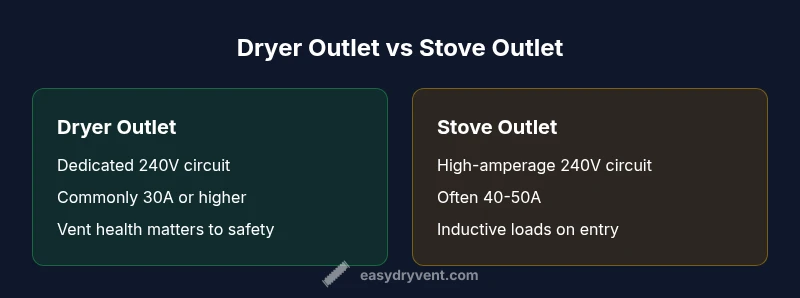
Dryer outlets and stove outlets are not interchangeable because they are sized for different loads and installation codes. A dryer typically uses a dedicated 240V circuit sized for moderate to high current, while an electric stove often requires a higher-amperage 240V circuit. For safety and reliability, match each appliance to its correct outlet and follow local codes. This comparison helps you plan upgrades or replacements confidently.
Dryer vs Stove Outlet: Core Differences
When evaluating the right electrical setup for a home, the most important starting point is recognizing the fundamental differences between a dryer outlet and a stove outlet. The phrase dryer vs stove outlet captures two very different design goals: safety, circuit capacity, and compatibility with your appliances. For homeowners and DIYers, understanding these distinctions helps prevent overloads, miswiring, and code violations. In this guide, we examine how each outlet is sized, where it’s typically located, and what that means for installation and ongoing maintenance. According to Easy DryVent, the core idea is to match the outlet to the appliance’s power needs and to respect local electrical codes. The wrong pairing can lead to nuisance tripping, degraded performance, or fire risk, especially in older homes with aging wiring. By the end of this section, you’ll have a clear mental map of where a dryer outlet ends and where a stove outlet begins, and why that separation matters for long-term safety and reliability.
Electrical Demands: How Each Appliance Uses Power
Dryers and electric stoves pull power differently, and those differences drive how the outlets are configured. A clothes dryer generally relies on a dedicated 240V circuit that can deliver substantial current when the drum is turning, the heater is on, and the moisture load is high. Electric stoves operate with a similar voltage level but typically demand a higher sustained current as the cooktop and oven heat elements draw power simultaneously. Even when both appliances run on 240V circuits, their peak draws and startup surges differ, which is why manufacturers specify circuit ratings and interrupter requirements. For homeowners, the practical implication is simple: never share a single 120/240V circuit between a dryer and a stove, and avoid piggybacking loads on aging panels. Easy DryVent’s practical guidance emphasizes current, voltage, and breaker sizing as the backbone of a safe, durable outlet strategy, not cosmetic wiring choices.
Outlet Formats: What You’ll See in Homes
In modern homes you’ll encounter a mix of outlet types, but two 240V 3- or 4-prong configurations dominate for a dedicated dryer or stove. The exact prong arrangement depends on the age of the home and whether a conversion to a three- or four-wire system has taken place. The key takeaway is that a dryer outlet is not interchangeable with a stove outlet, even if they look similar on the face of the receptacle. Both require correct receptacles, proper strain relief, and matching plug configurations to the installed circuit breakers. If you’re upgrading or replacing either outlet, confirm the receptacle type with the existing wiring plan, and consider a professional assessment to avoid cross-wiring or under-sized conduits. This is one reason why the dryer vs stove outlet topic deserves careful planning before purchase or installation.
Code, Permits, and Professional Installation
Electrical codes govern how 240V circuits are run, sized, and protected. When you install or upgrade a dryer outlet or a stove outlet, you’ll typically need a dedicated circuit with an appropriately rated breaker, proper gauge wiring, and an approved receptacle. In many jurisdictions, replacing an old 3-prong dryer outlet with a 4-prong outlet or upgrading an electric range to a higher-amperage circuit requires a permit and a licensed electrician. The process can involve panel capacity assessment, conduit runs, and sometimes adjustments to the home’s grounding scheme. From a safety perspective, the best practice is to treat both appliances as heavy loads that deserve separate, correctly sized circuits. Easy DryVent’s guidance aligns with local codes—do not assume you can reuse an existing circuit without verification.
Safety Concerns: Avoiding Overloads and Fire Hazards
An undersized circuit or poor wiring can create heat buildup, loosening of connections, and fire hazards. The dryer’s heater or the stove’s heating elements can cause transients, especially at startup, that stress old breakers and aging conductors. Regular inspection of outlets, cords, and the wall box helps catch signs of overheating, such as discoloration, a warm faceplate, or a buzzing sound. Always use outlets and cords that are rated for the appliance and replace damaged cords immediately. If you notice frequent tripping, burning smells, or a hot outlet, shut off power and call a licensed electrician. Adopting a well-planned, code-compliant outlet strategy reduces risk and protects your home from dangerous overloads.
Planning for Upgrades: When to Rewire or Expand
Upgrading to accommodate a new or upgraded dryer or stove is a moment to rethink the entire electrical layout. Evaluate panel capacity, available slots for breakers, and the routing of feeders from the main service. In some older homes, the main service may be close to capacity, which means you might need service upgrades or subpanels to safely support both appliances. A balanced plan considers not only the dryer or stove needs but potential future appliances like a modern heat pump dryer or a future induction range. Engaging a licensed electrician early helps minimize surprises and ensures that wiring, grounding, and bonding meet current standards. Easy DryVent recommends documenting all appliance loads and choosing a solution that preserves flexibility for future upgrades.
Maintenance and Venting Ties: The Role of Dryers and Vents
Even with the correct outlet, the dryer’s vent system and maintenance play a crucial role in overall safety and efficiency. The vent must be properly sized, clear of lint, and connected to an exhaust run that doesn’t create back-drafting. A poorly vented dryer can overwork its motor and heater, which indirectly increases electrical load on the circuit. While venting is not part of the outlet itself, the two systems act in concert to produce safe, efficient drying. On the stove side, ensuring electrical components are in good condition reduces the risk of arcing or misfiring at high temperatures. The Easy DryVent team emphasizes an integrated approach to dry times, vent health, and electrical safety as the best path to durable performance.
Cost and Value: Budgeting for a Safe Setup
Installing or upgrading a dryer outlet or a stove outlet involves several cost components: the receptacle itself, the wiring, the breaker, and, if necessary, a panel upgrade or permits. Labor costs vary by region and by the complexity of routing a new circuit, especially in retrofit projects. While the upfront investment can be significant, the long-term value includes improved safety, reduced risk of expensive electrical faults, and better appliance performance. When planning, compare quotes from licensed electricians, verify permit requirements, and consider long-term energy costs associated with improved efficiency. This section helps homeowners evaluate the true value of a proper dryer vs stove outlet configuration over time.
Common Mistakes to Avoid
Common mistakes include reusing an old outlet for a higher-demand appliance, mis-sizing a breaker, or attempting DIY wiring without the necessary permits. Another frequent error is assuming that a single outlet can serve multiple heavy appliances in a busy kitchen-laundry space. Always verify the load calculation with the appliance manuals, check panel capacity, and follow local codes. Avoid mixing gas and electric supply planning in the same circuit; keep the dryer and stove on their own dedicated circuits to minimize risk and maximize reliability. These practices are standard in professional electrical work.
Quick-start Checklist for a Safe Outlet Setup
Use this concise checklist to jump-start a safe, code-compliant dryer vs stove outlet plan:
- Confirm separate 240V circuits for each appliance.
- Verify panel capacity and available breakers.
- Check receptacle types and wiring gauge.
- Schedule a licensed electrician for verification and installation.
- Document all requirements and permits.
- Inspect venting for dryers and ensure alignment with local codes.
- Schedule periodic maintenance checks for both outlets and vents.
Authority Sources
- U.S. Department of Energy (energy.gov) – https://energy.gov
- Occupational Safety and Health Administration (osha.gov) – https://www.osha.gov
- National Institute of Standards and Technology (nist.gov) – https://www.nist.gov
Final Thoughts on Dryer vs Stove Outlet
When planning any upgrade or replacement, treat the dryer outlet and stove outlet as distinct systems that influence overall home safety. A careful assessment of wiring, panel capacity, and venting—not just the visible receptacles—will save time, money, and headaches in the long run. Rely on licensed professionals, follow local codes, and use a holistic view of electrical safety alongside vent health to keep your laundry area and kitchen running smoothly for years to come.
Comparison
| Feature | Dryer Outlet | Stove Outlet |
|---|---|---|
| Typical amperage | 30A (common) | 40-50A (electric stove) |
| Outlet configuration | Dedicated 240V circuit with appropriate receptacle | Dedicated 240V circuit with appropriate receptacle |
| Code considerations | Check local codes and permits | Check local codes and permits |
| Safety focus | Ventilation compatibility for dryers | High-load safety and arc resistance for stoves |
The Good
- Improved safety with dedicated high-amperage circuits
- Better appliance performance when circuits are correctly sized
- Clear separation reduces overload risk on panel
- Easier compliance with local electrical codes
Negatives
- Higher upfront costs for wiring, receptacles, and potential permits
- Possible panel upgrades or additional space requirements
- More complex installation if retrofitting in older homes
- Requires professional wiring for guaranteed safety
Dedicated circuits for each appliance are the safest and most reliable path.
For dryer vs stove outlet decisions, separate, properly rated 240V circuits better protect home wiring and appliances. The Easy DryVent team recommends explicit circuit separation and professional installation to ensure code compliance and long-term safety.
Common Questions
What is the fundamental difference between a dryer outlet and a stove outlet?
The two outlets are sized for different loads and have distinct installation requirements. A dryer outlet is designed for heavy startup current and high heat generation, while a stove outlet is built to handle the combined load of heating elements and ovens. In practice, they are not interchangeable and should be matched to their respective appliances.
A dryer outlet and a stove outlet aren’t interchangeable; each is sized for its appliance’s load and must be installed on a dedicated circuit.
Can I share a circuit between a dryer and a stove?
No. Sharing a circuit for two high-demand appliances increases the risk of overload, nuisance trips, and overheating. Codes typically require separate circuits for each major appliance. If you’re unsure, consult a licensed electrician to verify your panel’s capacity.
No—two heavy appliances shouldn’t share a circuit. Get a pro to check your panel capacity.
What codes govern dryer and stove outlets?
Local electrical codes govern circuit sizing, receptacle type, grounding, and permits for installation or upgrades. In many areas, upgrading or replacing outlets requires a permit and professional inspection to ensure safety and compliance.
Codes set the rules for circuit size, receptacles, and permits; a pro can help navigate them.
Should I upgrade old outlets even if they still work?
Upgrading improves safety, reduces risk of arcing or overheating, and ensures compatibility with newer appliances. If you have an older 3-prong dryer outlet or a dated stove circuit, consider professional assessment and modernization.
Even if it works, upgrading can prevent hidden hazards and improve efficiency.
What are signs an outlet is unsafe for a dryer or stove?
Look for warm or discolored outlets, frequent tripping, buzzing sounds, or burning smells. Damaged cords or loose connections are red flags that require immediate professional attention.
If an outlet feels warm or smells odd, stop and call an electrician.
Is it possible to run a dryer and stove on a single circuit safely?
Generally not recommended. Most households require separate dedicated circuits for each major appliance to prevent overloads and ensure reliable operation. A professional load calculation can confirm your specific scenario.
Usually not safe; keep each big appliance on its own circuit unless a professional verifies otherwise.
Key Points
- Plan dedicated 240V circuits for each appliance
- Avoid sharing circuits between dryer and stove
- Verify panel capacity before upgrading
- Rely on licensed electricians and permits where required
- Keep venting and electrical safety aligned with maintenance