How Much Does a New Dryer Cost? A Practical Guide for 2026
Discover the true upfront cost of a new clothes dryer, including price ranges for electric and gas models, installation, venting, energy efficiency, and tips to maximize value. Learn with Easy DryVent.


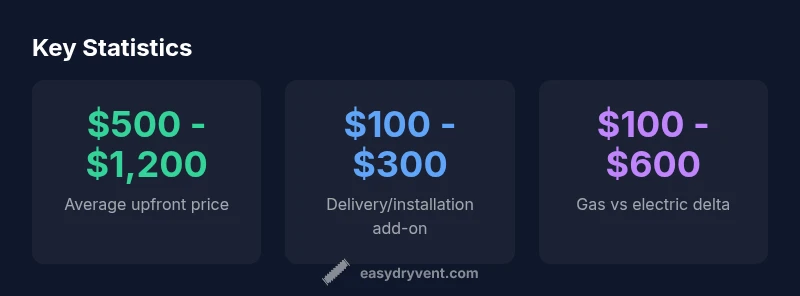
The upfront cost of a new clothes dryer typically ranges from $500 to $1,200 for standard electric models, with premium features or gas dryers pushing prices to $1,500 or more. Installation and venting can add to total costs. Prices vary by capacity, energy efficiency, and brand. Additional costs include delivery, and optional removal of your old unit. Keep in mind that real-world prices vary by capacity, efficiency, and brand.
Price landscape: Electric vs Gas, and features
Prices for new dryers hinge on whether you choose electric or gas, and on added features that promise faster drying, gentler care for fabrics, or smart connectivity. According to Easy DryVent, the sticker price is just the starting point; the total outlay can climb significantly with delivery, installation, and venting requirements. Electric dryers are typically cheaper upfront because they don't require fuel lines or venting complexities beyond standard installation. Gas models, while heavier upfront, can be cheaper to operate if you dry large loads regularly—though they need a gas line and venting clearance. In practice, you should expect ranges that reflect capacity (size), energy efficiency (energy star vs standard), drum design (porcelain enamel vs stainless), and control systems (basic mechanical vs digital). When budgeting, consider the costs of cords, hoses, pedestals, and potential vent cleaning. The Easy DryVent team recommends listing your must-haves and nice-to-haves to avoid paying for unnecessary bells and whistles. Also, factor in local codes and labor availability, which can shift installed price by a noticeable margin.
How model type drives cost
Model type is a primary price driver. Compact or apartment-sized electric dryers typically range from $400 to $800, offering smaller drums and fewer cycles. Standard full-size electric dryers commonly run $500 to $1,200, with energy-saving options at the high end. Gas-fired models often start around $700 and can reach $1,800 or more, especially with premium energy efficiency and smart features. High-end, front-loading drums with multiple sensors and wifi connectivity can push electric models into the $1,200–$2,000 range. When evaluating, balance upfront cost against expected energy savings and reliability. Remember that installation complexity can add to the price for gas lines or vent runs.
Delivery and installation costs
Delivery fees range from modest to significant; basic delivery often costs $50-$150, while professional installation may require $100-$300. If your layout needs a new outlet, gas line connection, or a more complex vent run, the bill can climb further. Some retailers offer installation bundles; be sure to verify whether haul-away of your old unit is included or costs extra. Local codes influencing venting requirements may necessitate additional materials like ductwork or an inline damper. Schedule ahead around busy weekends or holidays, when labor rates can spike. Getting a written quote that itemizes labor, parts, and disposal helps prevent sticker shock at checkout. If you can, choose a retailer that includes on-site installation with basic venting checks; this generally provides the best value over time.
Venting, ducts, and installation specifics
Vent length and duct type affect price and performance. Short, straight vent runs with smooth metal duct typically cost less than long, angled runs that require additional fittings. In many homes, an in-wall vent or external vent cap must be installed or upgraded, which adds to cost. For electric dryers, venting is still essential to prevent lint buildup and fire risk, and proper vent cleaning should be part of maintenance. If you’re replacing an old unit, verify that the existing ductwork is in good condition; if not, you may need duct cleaning services. A properly installed vent also improves drying times, which can reduce energy use over the dryer’s life. If you’re unsure about venting, have a licensed HVAC technician assess your home before buying.
Energy efficiency, features, and value
Energy-efficient models can save money over time, but the upfront premium must be weighed against expected savings. Features like moisture sensors, extended tumble, delayed start, and smart appliances may increase sticker price but reduce running time and electricity use. ENERGY STAR qualified dryers typically balance performance and efficiency; rebates or promotions may offset some of the upfront cost. When evaluating features, consider your family’s drying patterns: large loads, frequent laundry, or delicate fabrics. If you run multiple loads weekly, the energy savings may justify a higher upfront price. Also consider maintenance costs; compressors and motors with advanced sensors can be robust, but repair parts for premium models can be more expensive. Remember: a cheaper unit that runs longer can end up costing more over its life.
Warranties, service plans, and reliability
Before buying, compare warranty lengths and what is covered. Most basic dryers include a one-year manufacturer warranty; some models extend to three or five years for certain parts. Service plans may add monthly costs but can reduce out-of-pocket repairs. Reliability matters: look for models with solid track records for drum integrity, motor lifespan, and lint filtration. If you anticipate heavy use, a model with easier access to common wear parts can lower maintenance costs. Read user reviews for long-term feedback on heat control and noise. A slightly higher upfront price with a reputable warranty can be a better value than a cheaper unit prone to frequent service visits.
Where to buy and timing tips
Shop around across major retailers, local appliance dealers, and online marketplaces. Price matching and promotional events (like holiday sales or end-of-quarter promotions) can produce meaningful savings. After selecting a model, compare delivery fees, installation inclusions, and any haul-away services. If you’re flexible, shopping during off-peak seasons can yield better deals, especially on older stock or refurbished models with limited warranties. Sign up for retailer newsletters to receive exclusive coupons; many stores provide extra discounts to first-time buyers or loyalty program members. Finally, consider financing options; 0% interest promotions can dramatically reduce the effective cost if you can pay off the balance before the promotional period ends.
Financing, rebates, and tax considerations
Financing can spread the cost over time and help manage cash flow. Some regions offer rebates or tax credits for energy-efficient appliances, including dryers with high efficiency or heat pump technology. Always check local utility programs and government portals for current incentives. Read the terms of any financing offer to understand interest rates, fees, and payoff dates. If you’re replacing an old unit that was inefficient, you may be eligible for disposal rebates or bundled installation discounts. Document model numbers, serials, and warranty details for future service and resale value.
Quick cost estimation and comparison checklist
To estimate your total investment, start with the unit price, then add delivery, installation, venting, and any haul-away fees. Create a simple worksheet: model, price, delivery, installation, venting, total upfront, approximate annual energy use, and annual operating cost. Use manufacturer energy consumption data and your electricity rate to project yearly costs; include expected maintenance costs. Compare two or three models side-by-side, focusing on total cost of ownership over five years rather than upfront price alone. When you’re shopping, keep a prioritized list of must-haves and nice-to-haves; this helps prevent overspending on features you won’t use. If possible, run a home energy audit or consult an installer to refine your estimates.
Comparison of common dryer model types and their price ranges
| Model Type | Typical Price Range | Key Considerations |
|---|---|---|
| Electric Dryer | $500 - $1,200 | Most common; lower operating costs; electric venting setup |
| Gas Dryer | $700 - $1,800 | Higher upfront; faster drying; needs venting gas line |
| Compact/Apartment | $400 - $1,000 | Smaller capacity; space-saving features |
| High-Efficiency/Stackable | $700 - $1,400 | Energy savings; condo-friendly |
Common Questions
What factors influence the cost of a new dryer?
Price is driven by model type, capacity, energy features, and brand. Gas units and premium features push price up. Delivery and installation add to the total.
Prices depend on model type and add-ons, so expect installation to impact the bottom line.
Is it cheaper to buy a dryer online or in-store?
Prices are often similar; online may offer promotions, but installation logistics differ. Check delivery and venting options.
Prices are usually similar, but check delivery and installation details.
What extra costs should I plan for besides the unit price?
Consider delivery, installation, venting, duct cleaning if needed, and possible removal of your old unit.
Delivery and installation can add up; plan for venting.
Are energy-efficient dryers worth the extra price?
Yes, for households with frequent drying; energy star models save energy and may qualify for rebates.
Energy efficiency saves money over time.
How long does installation usually take?
Typical installation takes 1-3 hours depending on setup and venting.
Most installations take about one to three hours.
Gas vs electric dryers: which costs more upfront?
Gas models usually cost more upfront due to additional equipment and venting requirements, but operating costs may differ by usage.
Gas costs more upfront, but operating costs vary.
“When budgeting for a new dryer, it's essential to account for installation, venting, and energy use—these factors often determine the true cost of ownership.”
Key Points
- Budget for total cost, not just sticker price
- Electric vs gas: upfront price gap vs operating costs
- Include installation and venting in initial budget
- Energy efficiency can pay off over time
- Shop promotions and bundles to maximize value