Dryer Vent Line Installation: A Practical DIY Guide
A comprehensive, step-by-step guide to safely installing a dryer vent line. Learn material choices, code considerations, sealing, testing, and maintenance from Easy DryVent for safer, more efficient drying.


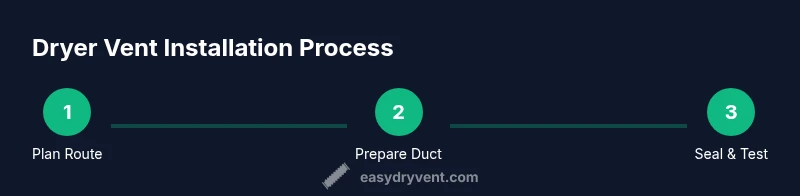
Install a dryer vent line by planning the route, selecting rigid metal duct, sealing joints, and testing airflow from indoors to outdoors. Shut off the dryer, remove existing duct if present, and verify clearance and exterior termination with a dampered vent cap. This guide emphasizes safety, efficiency, and code compliance for homeowners.
Why Proper Dryer Vent Line Installation Matters
A properly installed dryer vent line is essential for safety, efficiency, and appliance longevity. Lint buildup, improper ducting, and backdrafts can create fire hazards and reduce drying performance. According to Easy DryVent, many homes still use makeshift pathways or flexible foil ducts that sag and trap lint, increasing fire risk and energy waste. A well-planned vent path not only protects your home but also improves tumble-dryer performance by maintaining consistent airflow. In this section, we’ll cover the core reasons to install correctly: safety, efficiency, code compliance, and long-term maintenance.
Key concepts include using rigid metal ducting where possible, maintaining a straight path with minimal bends, ensuring proper exterior termination, and choosing a vent hood with a damper to prevent pests and drafts. By prioritizing these elements, you’ll reduce lint buildup, minimize indoor humidity near laundry areas, and lower operating costs over the life of the appliance. Easy DryVent’s team emphasizes that a safe installation is not just about meeting regulations—it’s about creating a reliable exhaust system that protects your home from the heat and lint generated during every drying cycle.
Planning, Codes, and Site Assessment
Before you cut any duct, inspect the space to determine the simplest, shortest route from the dryer to the outdoors. Check local building codes for dryer vent length, required clearance from flammable materials, and whether metal ducting is mandated. If the home uses an existing vent, evaluate its condition: crushed, kinked, or flexible foil ducts are common culprits of lint buildup and poor airflow. The Easy DryVent team recommends starting with a clean slate: plan a straight or minimally bent path, and favor rigid metal duct segments. Document the route with measurements and photos for reference as you shop for materials.
Also consider external factors, such as exterior wall materials, the closest outdoor perch for venting, and potential obstruction from window sills or landscaping. Ensure the vent termination point has a damper to prevent drafts and pests, and that the exterior cap is designed to resist weather and backdrafts. Space your interior elbows to minimize lint traps and reduce interior lint accumulation. Good planning reduces the need for rework and improves performance once you’re ready to install.
Materials, Duct Types, and Safety Considerations
Selecting the right materials is the backbone of a durable, safe dryer vent line. The recommended approach is rigid metal ducting (galvanized steel or aluminum) over flexible foil or vinyl ducts, which can sag and trap lint. Rigid ducts provide smoother interior surfaces that resist lint buildup and resist crushing. For exterior routing, choose a vent hood with a damper and a pest screen, plus a back-draft-inhibiting design. Ensure all joints are connected with metal clamps and sealed with duct-safe foil tape rather than standard household tape.
As you assemble the run, maintain a gentle slope toward the outdoors (a slight downward angle prevents condensate from pooling in the duct). Avoid sharp 90-degree turns by using 45-degree elbows sparingly. Plan for cleanouts in longer runs and ensure the exterior termination is accessible for inspection. Finally, keep safety in mind: disconnect power to the dryer during installation and wear gloves and eye protection to prevent injury from sharp metal edges.
Installation Best Practices: Route, Slope, and Sealing
Start with the interior section by attaching the first duct segment to the dryer’s exhaust collar, ensuring a snug fit. Use metal clamps to secure each connection and run a continuous line with as few joints as necessary. Maintain a consistent slope toward the exterior to prevent condensation and lint buildup. When passing through walls, use appropriate wall sleeves and seal the gap with high-temperature sealant rated for ducts. At exterior exits, install a vent cap with a damper and pest screen; seal around the wall opening to protect against moisture intrusion.
Keep the ducts straight where possible; avoid crushed or kinked sections, and minimize long, unbroken runs. After all sections are connected, test for leaks with a simple incense smoke test or a tissue run along each joint. Replace any gapped joints and re-seal as needed. The result should be a dry, quiet, and efficient exhaust path that improves drying times and reduces household humidity.
Testing, Review, and Maintenance After Install
Once the vent line is in place, reattach the dryer and run a test cycle with a light load. Check the exterior vent for airflow and confirm that the damper opens freely when the dryer is on and closes securely when off. Inspect interior joints for signs of air leaks or loose clamps, and re-seal any joints that look suspect. Monitor drying times over the next few cycles—significant increases can indicate a leak, a kink, or an obstruction. Periodic maintenance includes cleaning lint from the interior run every 6-12 months and inspecting the exterior vent cap for obstructions or insect activity.
If you notice persistent problems, re-assess the run length, joints, and slope. A rule of thumb is to maintain the shortest possible path with the fewest bends and to avoid plastic or foil ducts entirely. Keeping your vent path clean and well-sealed protects your home from heat, reduces energy usage, and helps your dryer operate more reliably.
Common Pitfalls and How to Avoid Them
Common mistakes include using flexible foil ducts, failing to seal joints properly, and neglecting lint buildup along long runs. Avoid crimping or crushing ducts during installation; do not vent through unsealed openings that allow pests or moisture into the wall cavity. Another frequent issue is improper exterior termination, which can cause backdrafts or water intrusion. Regularly inspect the exterior cap and ensure the damper operates freely. Finally, never reuse a degraded duct without replacing sections, as cracked seams and collapsed walls reduce airflow and increase fire risk.
By following the best-practice guidelines outlined here and performing regular inspections, you’ll maintain a safe, efficient exhaust path for years to come.
Authority Sources
- National Fire Protection Association (NFPA): https://www.nfpa.org
- U.S. Department of Energy (DOE) - Energy Efficiency and Safety: https://www.energy.gov
- Environmental Protection Agency (EPA): https://www.epa.gov
- Occupational Safety and Health Administration (OSHA): https://www.osha.gov
Tools & Materials
- Rigid metal dryer vent duct segments(Galvanized steel or aluminum; avoid flexible foil/vinyl.)
- Vent hood with damper(Exterior termination cap with damper and pest screen.)
- Metal clamps or foil tape (duct tape rated for ducts)(Secure joints; foil tape should be rated for high temperatures.)
- Exterior wall sleeve (if required)(Use where a wall outlet is installed; provides a neat exterior seal.)
- High-temperature sealant(Seal around wall openings; ensure weatherproofing.)
- Tin snips or metal shears(Cut duct sections cleanly without deforming edges.)
- Measuring tape(Accurate routing and cut lengths.)
- Safety gear (gloves, safety glasses)(Protect hands from sharp edges.)
- Screwdriver or drill(Install clamps and fasteners securely.)
- Lint-free cleaner or vacuum with nozzle(Clean lint from interior runs before final assembly.)
Steps
Estimated time: 3-5 hours
- 1
Plan the route and measure
Assess the shortest, straightest path from dryer exhaust to exterior termination. Mark route with painter’s tape and inventory required duct lengths; double-check that exterior location has room for a damped vent cap and clearance from windows/awnings.
Tip: Use a straight route with minimal bends to maximize airflow. - 2
Shut off power and prep area
Unplug the dryer and clear laundry area. Have a helper if you need to move the unit. Put down drop cloths and ensure the area is well-ventilated.
Tip: Safety first: power off and avoid working behind the dryer’s electrical panel. - 3
Remove or prepare existing duct
If an old duct exists, disconnect and remove it. Inspect the wall for damage and clean lint from the space. If no duct exists, proceed to measure and cut the new segments.
Tip: Discard damaged sections; reuse only intact metal components. - 4
Cut and fit new duct segments
Measure each required length, cut with tin snips, and deburr edges. Dry-fit the pieces along the planned route to confirm fit before permanent connections.
Tip: Keep interior smooth and free of protrusions that trap lint. - 5
Assemble joints and seal
Connect segments with clamps and seal all joints with foil tape rated for duct use. Avoid relying on regular household tape alone. Ensure joints are accessible and airtight.
Tip: Seal both inside and outside joints for best performance. - 6
Install exterior vent cap and finish
Attach the exterior vent cap with damper at the outside wall opening. Seal around the opening and verify the damper opens freely when the dryer runs. Conduct a final check for drafts or invasion points.
Tip: Add a pest screen and weatherproofing to prevent wildlife and water intrusion. - 7
Test the system and finalize
Reconnect the dryer, restore power, and run a test cycle with a light load. Check for proper airflow at the exterior vent and listen for unusual noises indicating leaks or obstructions.
Tip: If airflow is weak, inspect for kinks, loose clamps, or crushed ducts and re-seal as needed.
Common Questions
Do I need a professional to install a dryer vent line?
A professional is wise if the route is hard to access, you lack tools, or local codes require a licensed installer. For straightforward indoor-to-outdoor runs with access, a confident DIYer can complete the project safely.
You can handle straightforward installs, but consider a pro if access is difficult or codes require licensing.
What is the recommended vent length or routing?
Keep runs as short as possible with straight segments and minimal bends. Long, convoluted paths reduce efficiency and increase lint buildup. Plan a direct route to the exterior.
Short, straight routes are best for airflow and safety.
Can I reuse an old vent duct?
Only if the duct is in excellent condition—no cracks, kinks, or crushed walls. Replacing damaged sections is safer and improves airflow.
Replace damaged ducts rather than reusing them.
How often should I clean the vent?
Inspect and clean the interior run annually, and clean the exterior cap if you notice reduced airflow or lint accumulation. More frequent cleaning is advised in homes with frequent dryer use.
Check and clean yearly, and more often if you see slow drying or lint buildup.
What are warning signs of a blocked vent?
Longer drying times, heat near the dryer, lint around the vent area, or a burning smell indicate a blockage or airflow restriction. Address immediately.
If it takes longer to dry or you smell burning, stop and inspect the vent.
Watch Video
Key Points
- Plan the route before cutting any duct.
- Use rigid metal ducting for safety and efficiency.
- Seal joints thoroughly with foil tape and clamps.
- Test airflow at the exterior after installation.
- Maintain the vent path with regular inspections and cleaning.