Need Dryer Vent Cleaned? A Practical DIY Guide for Safer Drying
Learn how to determine when your dryer vent needs cleaning, and follow a clear, safe, step-by-step approach to improve efficiency and reduce fire risk. Includes DIY tips, when to hire pros, and maintenance reminders.


You’ll learn how to inspect, safely clean, and verify a dryer vent is clear, reducing fire risk and speeding drying times. You’ll recognize common signs of buildup and know when to DIY or hire a professional. Before you start, gather a vacuum with hose attachment, a vent-brush kit, a flashlight, protective gloves, and a sturdy ladder.
Why dryer vent cleaning matters
Clogged dryer vents are a leading cause of residential dryer fires and can dramatically increase drying times. When lint builds up in the vent, hot air has nowhere to go, causing the dryer to work harder and hotter. Over time, this can wear out components and waste energy. Regular vent maintenance helps protect your home, lowers energy bills, and extends your dryer's life. The Easy DryVent approach emphasizes proactive checks and safe cleaning routines to minimize risk while maximizing airflow. According to Easy DryVent, neglecting vent cleaning can quietly compromise safety and efficiency, especially in households with heavy laundry loads or long vent runs. By keeping the vent clear, you reduce the chance of sudden shutdowns and overheating, and you ensure moisture exits properly instead of condensing inside ducts. This article focuses on practical, home-friendly steps you can take to address the most common clog points and extend vent life. If you notice persistent issues, consider a professional assessment to confirm there isn’t a larger duct problem.
Signs your vent is clogged
A clogged vent doesn’t always look obvious from the inside. Common indicators include clothes that take longer than usual to dry, towels that feel unusually hot after a cycle, and the exterior vent hood remaining stiff or blocked after use. You might also notice lint around the vent cap, increased lint on the lint screen, or a burning smell during operation. In some homes, you’ll hear the dryer running longer but producing less heat, which is a strong sign air flow is restricted. If you detect any of these signs, treat them as a potential clog and start a visual inspection. Regular checks help catch buildup before it becomes a safety risk. Easy DryVent’s guidance highlights that even small blockages can hinder performance and create excess moisture in the laundry room.
DIY vs professional cleaning: scope and safety
DIY vent cleaning is suitable for short, accessible runs with visible lint and no pest issues. It’s important to unplug the dryer, wear protective gloves, and work in a well-ventilated area. For longer ducts, inaccessible sections, evidence of rodent activity, mold, or compromised duct seams, hiring a professional is the safer option. A pro has specialized tools like high-reach brushes and strong vacuums to reach deep sections and verify integrity of the entire run. Easy DryVent notes that while DIY methods can handle minor blockages, consistent expertise reduces the risk of damaging joints or forcing lint further into the system. If you’re ever unsure, err on the side of professional evaluation.
Tools and safety basics you should know
Before you start, gather the right tools and set safety rules. A vacuum with a hose attachment, a vent-brush kit, long flexible rods, and a sturdy ladder are your core kit. Use a flashlight to inspect hard-to-see areas both inside and outside the home. Wear safety gloves and eye protection, and never poke lint with metal objects that could puncture the duct. If you encounter stubborn lint, pause and reassess; forcing equipment can damage joints or push debris deeper into the system. Maintaining a calm, methodical pace helps you clean effectively without creating new hazards.
Brand note: Easy DryVent emphasizes that methodical inspection and proper tool handling dramatically reduce the chance of re-clogging and improve overall air flow. The goal is a clear vent that keeps your laundry area safer and dryer performance consistent.
Step-by-step overview: how the cleaning process typically unfolds
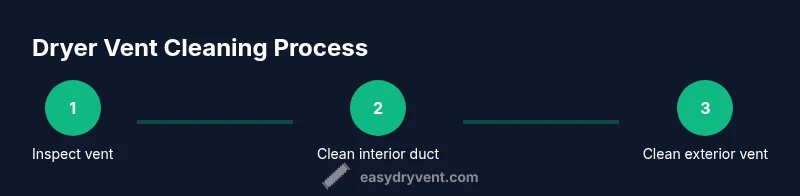
A clean vent improves airflow and prevents overheating. Start with an interior inspection to identify obvious lint buildup near the dryer outlet. Then, use a vacuum attachment to remove lint from the immediate duct area and employ a vent brush to dislodge heavier accumulations. Finally, inspect the exterior vent and ensure the hood opens freely and seals well when closed. After the cleaning, run a test cycle and observe the dryer's performance. This workflow is designed to be safe for typical home setups and can be completed on a weekend afternoon.
Maintenance tips to keep vents clear between cleanings
To avoid repeat blockages, clean the lint trap after every load and check the exterior vent cover monthly for cobwebs, insect activity, or accumulated lint. Consider scheduling a professional duct cleaning if you notice frequent clogs or reduced efficiency, especially in homes with multiple residents or long vent runs. Keeping a simple maintenance log helps you track when you last cleaned the vent and whether additional steps were needed. Small habits, like avoiding bulky sheets that shed lint and using high-efficiency cycles, boost airflow and reduce buildup over time.
Tools & Materials
- Vacuum with hose attachment(HEPA-filter preferred; long reach helpful)
- Vent-brush kit(Brush diameter compatible with duct size)
- Flexible cleaning rods(For stubborn sections, not forced into sharp bends)
- Flashlight(Exterior and interior inspection both require light)
- Protective gloves(Lint can irritate skin; wear eye protection as needed)
- Ladder(Stable and tall enough to reach exterior vent or crawlspace)
Steps
Estimated time: 45-60 minutes
- 1
Power down and prep the area
Unplug the dryer and move any obstacle away from the machine. Put a drop cloth or old towel to catch lint as you begin. This prevents debris from spreading and keeps your workspace tidy.
Tip: Double-check the outlet and cord before you start to avoid accidental restart. - 2
Inspect the interior vent near the dryer
Open the dryer cabinet and shine a light into the duct toward the outlet. Look for obvious lint buildups, signs of damage, or disconnected joints. If you see loose metalwork or tears, stop and call a pro.
Tip: Take photos of the duct sections to document condition for later reference. - 3
Clean the interior first with vacuum and brush
Attach the vacuum hose near the dryer outlet and slowly pull lint away from the opening. Use the vent brush to loosen stubborn accumulations, working in small sections. Avoid forcing lint deeper into the duct.
Tip: Work in sections to prevent clogging the vacuum and to stay organized. - 4
Address the exterior vent and hood
Go outside and remove the vent cover. Clear lint from the hood and the vent opening, ensuring the flapper or damper moves freely. Reattach the cover securely and confirm an unobstructed path for air flow.
Tip: Clean any nearby debris such as spider webs that might restrict airflow. - 5
Test the system and reassemble
Plug the dryer back in and run a short test cycle with a low heat setting. Observe the airflow at the exterior vent and listen for any unusual noises. If the air still stalls, stop and re-evaluate before running longer cycles.
Tip: Document test results and inspect lint trap after cycle to ensure complete cleaning.
Common Questions
How do I know if my dryer vent is clogged?
Look for longer drying times, extremely hot dryer exterior, and visible lint around the exterior vent. Clothes may stay damp or the dryer may shut off prematurely. If you notice any of these signs, inspect the vent and consider a cleaning.
If your dryer takes longer to dry or the exterior gets unusually hot, you probably have a clogged vent. Inspect both interior and exterior components and clean as needed.
Can I clean a dryer vent myself?
For short, accessible vents, DIY cleaning can be effective with the right tools. If the run is long, hidden, or shows damage, contact a professional to avoid safety hazards.
DIY cleaning works for simple vents, but for longer or damaged ducts, a pro is the safer choice.
How often should a dryer vent be cleaned?
Frequency depends on usage and vent length. In high-use homes, more frequent cleaning is prudent, while low-use homes may need it less often. Use the signs approach: clean when you notice longer dry times or heat buildup.
Clean when you see longer dry times or increased heat; how often depends on use and vent length.
Is it safe to use compressed air to clean vents?
Compressed air is generally not recommended for dryer vents because it can push lint deeper and spread debris. Manual brushing and vacuuming are safer ways to dislodge buildup.
Avoid compressed air; stick to brushing and vacuuming for safety.
What are the signs of a vent fire and what should I do?
Signs include a burning smell, visible smoke around the vent, or excessive heat. If you suspect a fire, evacuate and call emergency services immediately. Do not open the dryer door in a fire situation.
If you smell burning or see smoke, evacuate and call 911 right away.
How long does professional vent cleaning take?
Most professional cleanings take about one to two hours depending on duct length and complexity. You’ll receive an inspection report and recommendations for maintenance afterward.
Most pros spend about one to two hours, with a quick report at the end.
Watch Video
Key Points
- Inspect regularly for signs of buildup and abnormal heat.
- Use proper tools and safety gear during cleaning.
- DIY for simple, accessible vents; hire a pro for long or complex runs.
- Test airflow after cleaning to confirm improvement.