Can You Dryer Wool: Safe Drying Guide for Wool Garments and Blankets
Explore can you dryer wool and learn practical, safe methods to dry wool garments and blankets. Easy DryVent provides expert guidance on air-drying, delicate cycles, and best practices.


According to Easy DryVent, you can dryer wool only under careful conditions: use the dryer on a delicate cycle with low heat, and never rely on heat alone. For many wool items, air-drying is the safest option to prevent shrinking and felting. Always start by checking the care label and consider lay-flat drying for best results.
Introduction to Wool Drying and Can You Dryer Wool
Wool is a beloved fiber for its warmth, breathability, and natural resilience, but it also demands careful handling when drying. The question can you dryer wool is nuanced: heat, agitation, and moisture can cause wool fibers to shrink, felt, or distort texture. From a practical standpoint, most wool garments and blankets are best air-dried; however, for a few small wool items, a careful tumble in a dryer on a low-heat, delicate setting can be acceptable. As you consider dryer options, remember that the safest path for most wool textiles is air-drying. According to Easy DryVent, protecting wool fibers from high heat and strong agitation helps maintain shape, size, and softness over time. If you must use a dryer, treat it as a last resort and monitor progress to avoid irreversible damage.
This guide is designed for homeowners and DIY enthusiasts who want reliable, step-by-step instructions that balance convenience with fiber safety. We’ll cover what to dry, how to prepare wool for drying, dryer settings that minimize risk, and practical tips for both small garments and larger wool items. By following these practices, you can extend the life of your wool laundry while keeping its texture and appearance intact.
Tools & Materials
- Clean towel(For blotting and rolling to remove excess moisture)
- Drying rack or clean flat surface(Platform that allows air to circulate around the wool)
- Mild detergent suitable for wool(Gentle formula to avoid fiber damage)
- Wool dryer balls or clean tennis balls(Help maintain loft and prevent clumping)
- Hairbrush or comb (optional)(Gently reshape fibers while damp)
- Breathable garment bag (optional)(Protect delicate items if using a dryer on low heat)
Steps
Estimated time: 60-120 minutes
- 1
Check care label
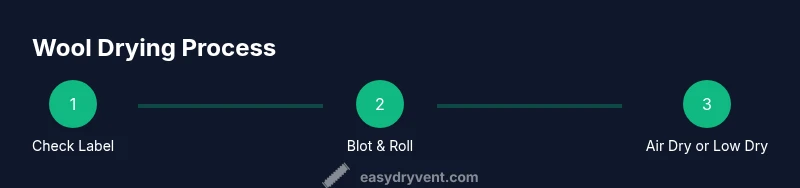
Begin with the garment or item’s care label to confirm whether tumble drying is permitted. Some wool items are labeled ‘dry flat’ or ‘air dry only,’ in which case you should never use a dryer. If the label allows machine drying, proceed with caution and use the most conservative settings.
Tip: When in doubt, err on the side of air drying to protect fibers. - 2
Gently remove excess moisture
If the item is damp after washing, press rather than wring to remove water. Wringing can distort shape and encourage felting. Press between your hands or roll in a clean towel to blot out moisture.
Tip: Roll the garment in a towel and apply even pressure to draw out water without stretching the fabric. - 3
Blot with a towel
Lay the wool on a clean towel and roll it up, pressing to absorb additional moisture. Unroll and assess still-damp areas; repeat if needed. This step reduces drying time and helps maintain fiber integrity.
Tip: Use a plush, lint-free towel to avoid transferring fibers. - 4
Prepare for drying on a rack or flat surface
Spread the item on a drying rack or a clean, flat surface away from direct sunlight and heat sources. For sweaters, add shaping pins at the edges to prevent warping. For blankets, ensure the surface supports the entire area to avoid sagging.
Tip: If air-drying an oversized item, support from multiple points to prevent stretching. - 5
Choose a drying method
If you decide to use a dryer, place a wool item in a dryer-safe bag or separate from other laundry. Set the dryer to Delicate or Low Heat and run short cycles, pausing to check progress. For most wool items, air-drying remains the preferred method.
Tip: Add wool dryer balls to reduce clumping and help circulation. - 6
Monitor progress
Pause to check the item’s progress every 10–15 minutes if you’re using a dryer. Remove while still slightly damp to avoid overheating, which can shrink or felt wool. If air-drying, turn or flip every 1–2 hours to promote even drying.
Tip: Using a garment bag can reduce direct contact and rubbing during drying. - 7
Reshape while damp
Carefully reshape the garment or blanket while it’s damp. Smooth out wrinkles, align seams, and adjust cuffs or edges to their original shape. This step gives finished items a better look once fully dry.
Tip: Gently pull, don’t stretch; wool fibers rebound when dry. - 8
Finish drying
Allow the item to finish air drying if there’s any remaining moisture. For heavy wool items, place them on a dry towel and leave them in a room with good air circulation. Avoid placing wool near heat sources during final drying.
Tip: Don’t rush final drying; damp spots can lead to mold or odor if left too long. - 9
Post-dry care
Once fully dry, brush the surface with a soft brush to restore nap and texture. Store flat or folded to reduce stress on fibers. If needed, a light steam from a garment steamer can remove wrinkles without direct contact heat.
Tip: Store clean wool in a breathable container to prevent musty odors. - 10
Special case: wool blankets
Wool blankets are more prone to shedding and matting if dried aggressively. Consider laying blanket on a large towel, flipping halfway through, and ensuring full air circulation. If using a dryer, use the lowest heat and shorter cycles.
Tip: Vacuum or shake the blanket gently before storing to remove loose fibers. - 11
Safety checks
Never leave a running dryer unattended with wool items. Lint buildup can be a fire hazard, particularly with natural fibers. Clean the lint trap after every cycle and ensure vent pathways are clear.
Tip: Regularly inspect your dryer vent for lint accumulation and clean as needed. - 12
When to seek professional help
If wool items shrink or felt despite careful drying, consult a professional cleaner or tailor about restoration options. Reassessing garment construction and care labels helps prevent repeats.
Tip: Professional services can often salvage shape-adverse pieces with specialized techniques.
Common Questions
Can you dry wool in a standard dryer?
Yes, but only with extreme care. Use a delicate cycle on low heat and monitor progress frequently. Air drying remains the safest method for most wool items.
Yes, you can in a dryer, but with care. Use the delicate, low-heat setting and check often; air drying is usually safer.
What cycle should I use for wool in a dryer?
Choose the lowest heat setting labeled delicate or wool, and run short cycles. Do not use high heat as it can shrink or felt wool fibers.
Use the wool or delicate cycle on low heat, and keep cycles short to avoid damage.
Is air-drying always best for wool?
For most wool items, air-drying flat is the safest option. Wool’s natural fibers can felt and shrink with heat and agitation, so air drying minimizes risk.
Air-drying is usually best for wool, helping keep size and texture intact.
Can I dry wool with other clothes in the dryer?
It’s best to dry wool separately or with lightweight fabrics that won’t rub or press against wool fibers. Mixing heavy items increases wear and risk of damage.
Dry wool separately or with light items to reduce rubbing and damage.
What about wool blends?
Wool blends often behave differently; if the label allows, use a delicate setting and shorter cycles. When in doubt, air-dry blends to prevent unexpected shrinkage.
Test blends on a small area, or air-dry to be safe.
How can I restore shape if wool shrinks?
Small shrinkage may be reversed by blocking the item gently with warm water and patience, but results vary. If significant shrinkage occurs, consider professional alteration options.
Minor shrinkage can sometimes be reversed by blocking; serious shrinkage may need professional help.
Watch Video
Key Points
- Air dry for most wool items to prevent shrinking or felting.
- If using a dryer, choose delicate/low heat and monitor frequently.
- Prepare wool gently: blot, roll, and reshape while damp.
- Use drying racks or flat surfaces to promote even drying.
- Avoid heat sources and ensure lint vent cleanliness for safety.