Which Fabrics Shrink in the Dryer: A Practical Guide
Discover which fabrics shrink in the dryer and how to prevent it. Practical tips for cotton, wool, linen, blends, and synthetics with heat, cycle, and air-drying guidance from Easy DryVent.


According to Easy DryVent, which fabrics shrink in the dryer? Natural fibers—especially cotton and wool—are most prone to shrinking, particularly when fabrics aren’t pre-shrunk or when heat is high. Synthetics and blends shrink far less, but still may shrink with high heat or long cycles. To minimize risk, opt for air drying when possible, use a low heat setting, remove clothes promptly, and follow fabric care labels.
Why fabrics shrink in the dryer
Fabrics shrink mainly due to heat, moisture, and mechanical action. When fibers relax or reform after being agitated under heat, they contract. Natural fibers such as cotton, linen, and wool have more torque in their yarns and a higher tendency to crimp or curl during tumbling. Wool felts and scales at higher temperatures, while cotton fibers can cinch together after water exposure. Synthetic fibers, especially when blended, are usually engineered to resist shrinking but can still shrink under intense heat or extended drying times. Understanding your fabric’s fiber composition and whether it’s pre-shrunk helps you predict shrink risk. According to Easy DryVent, the greatest shrinkage is commonly observed in untreated natural fibers after the first few dryer cycles, whereas well-made blends show far more stability.
Fabrics most prone to shrink
Certain fabrics carry a higher shrink risk due to their fiber structure and processing. Cotton, especially if it’s not pre-shrunk, is among the most shrink-prone. Wool’s scales catch on themselves under heat and agitation, leading to noticeable size changes. Linen and rayon blends can also shrink, particularly when exposed to heat and long drying times. Denims and thicker cotton knits may shrink unevenly, resulting in fit inconsistencies. While blends like cotton/polyester generally shrink less, they are not immune to heat-driven changes. The key is to read care labels and recognize that fiber chemistry governs shrink behavior. Easy DryVent’s analysis shows shrink risk rises with heat intensity, duration, and load size, underscoring the value of low-heat, shorter cycles for delicate materials.
Fabrics less likely to shrink
Synthetics such as polyester and nylon, especially in blends, tend to resist shrinkage because their fibers tolerate heat better and recover shape readily. Microfiber blends and certain acrylic fabrics usually stay closer to their original size when dried on lower heat. Blends designed for wrinkle resistance often incorporate spandex or elastane; these fibers help fabrics recover after washing and can limit dramatic size changes. This doesn’t mean you can ignore care labels, but it does suggest that synthetics and stable blends are safer bets for machine drying when you need speed.
How to read care labels to predict shrinkage risk
Care labels are your best forecast. Look for cotton or wool indicators, the presence of “pre-shrunk” labeling, and whether the garment is labeled as “dry clean only” or “tumble dry low.” Temperature icons and fabric type notes guide decisions about heat and cycle length. If a label shows “low” or “delicate” tumble dry settings, treat the item with gentler heat and shorter cycles. When in doubt, test a small swatch by washing and drying it on a low heat setting before drying the entire garment.
Dryer settings and shrink risk
Heat is the main driver of shrinkage, especially on cottons and wool. High heat accelerates fiber relaxation and can set in shrinkage quickly. Longer drying times increase exposure to heat and abrasion from tumbling, amplifying fiber distortion. Overloading the drum reduces airflow and traps moisture, creating uneven drying and more dramatic shrinkage in some areas. For most fabrics, choosing a lower heat level (or air-drying) and removing garments promptly when dry minimizes the risk while preserving garment fit.
Practical steps to minimize shrinkage
If you must use a dryer, implement a shrink-protective routine:
- Dry on low heat or the delicate setting.
- Consider removing items while slightly damp and finishing air-drying flat or on a rack.
- Use a dryer ball to reduce clumping and shorten cycle time.
- Divide laundry by fabric type to prevent overloading.
- Pre-shrink new items by washing in cold water and air drying the first time before machine drying on low heat.
- Always follow care labels and test unfamiliar fabrics with a small swatch.
Alternative drying methods: air-drying and line-drying strategies
Air-drying is the simplest way to avoid shrinkage. For cottons and linens, layout items flat on a clean surface or hang them on a clothesline with adequate air circulation. Use a drying rack for sweaters and delicate knits to prevent stretching and maintain shape. Outdoors in low humidity or indoors with a fan, air-drying can be surprisingly fast for certain fabrics, while preserving size and texture. When space is limited, rotating garments on a rack ensures even drying and minimizes stress on fibers.
Testing shrinkage on a new fabric: a simple at-home method
To assess shrink risk, run a controlled shrink test: take a small swatch of the fabric, wash with your normal cycle, then dry on a low-heat setting. Compare the swatch’s dimensions to the original after drying. If you notice significant size loss, adjust future washing and drying (e.g., cold wash, air-dry, or ambient drying) before treating the entire item. Regularly testing new fabrics helps you tailor a shrink-prevention routine per garment.
Common myths and the reality of shrinkage
Myth: All fabrics shrink equally in the dryer. Reality: Shrink risk varies widely by fiber and weave; cotton and wool shrink more than synthetics. Myth: Higher heat always shrinks more. Reality: Heat interacts with fabric type and moisture; some textiles stabilize with gentle heat. Myth: Pre-shrunk fabrics never shrink. Reality: Pre-shrunk reduces but does not guarantee zero shrinkage across all cycles. Understanding fiber behavior helps you apply the right heat, cycle length, and drying method to minimize surprises.
Shrink ranges by fabric type
| Fabric Type | Shrink Range | Care Notes |
|---|---|---|
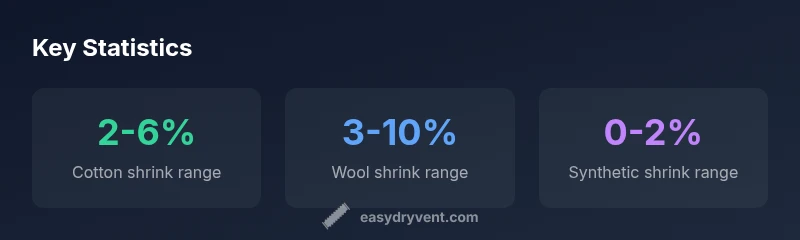
| Cotton (unpre-shrunk) | 2-6% | Pre-wash or pre-shrink; wash cold, tumble low |
| Cotton-blend (cotton/polyester) | 1-3% | Less prone; avoid high heat |
| Wool | 3-10% | Hand wash or dry flat; low dryer heat |
| Linen | 3-6% | Air dry recommended; limit heat |
Common Questions
Do natural fabrics always shrink in the dryer?
Natural fabrics like cotton and wool have higher shrink risk, especially if untreated or not pre-shrunk. Following care labels and using low heat can minimize changes.
Natural fabrics shrink more, but you can limit it with gentle heat and shorter cycles.
Can I unshrink clothes once they’ve shrunk?
Unshrinking is not guaranteed. You might try gently stretching damp fabric, but results vary by material and degree of shrink.
Unshrinking isn’t reliable; try gentle stretching when fabric is damp.
Does tumble drying on low heat prevent shrinkage?
Low heat reduces shrinkage risk for most fabrics, especially on delicate or natural fibers. Always check the label for the recommended setting.
Yes, low heat helps—always follow the label.
Are blends safer than pure cotton regarding shrinkage?
Blends generally shrink less than pure cotton, but they are not immune to shrinkage. Pay attention to heat and drying time.
Blends resist shrinkage better, but check care labels.
Is air-drying always best to prevent shrinkage?
Air-drying almost eliminates shrinkage risk for many fabrics, especially natural fibers. It also preserves texture and color better than heat drying.
Air-drying is the safest method for shrink prevention.
“"Shrinkage isn’t inevitable when you understand fiber behavior and adjust heat and time accordingly. Small changes add up to big garment-preservation gains."”
Key Points
- Know your fiber before drying—natural fibers shrink more.
- Low heat and shorter cycles reduce the risk substantially.
- Air-drying almost eliminates shrinkage for many fabrics.
- Read care labels and test new fabrics with a swatch.
- Separate fabrics by shrink risk to optimize dryer performance.