How to Dry Without Shrinking Clothes
Learn practical, fabric-aware drying methods to prevent shrinking. This Easy DryVent guide covers heat control, air-drying techniques, and fabric-specific tips for a wardrobe that stays true to size.


To avoid shrinking, use fabric-aware drying and low heat. Start with a cold wash and gentle cycle, then tumble dry on Low or use sensor-dry, removing items while slightly damp to finish air drying. For knits, lay flat; for cottons, finish on air dry if needed. Always follow garment care labels.
Why Clothes Shrink: Causes and Prevention
Shrinkage happens when heat, moisture, and agitation relax fibers and then set them tighter as they re-form. According to Easy DryVent, the top causes are high heat, overdrying, overloading the drum, and excessive agitation. Understanding these factors helps you choose gentler options and avoid common mistakes. Cotton, wool, linen, and blends all react differently to heat, and you’ll save time and money if you treat each fabric according to its care label. The good news: by adjusting washing temperature, cycle duration, and how you dry, you can dramatically reduce shrinkage while preserving fit and texture. In this guide you’ll learn practical steps to minimize shrinkage across fabrics, with fabric-specific tips and safe drying settings.
Essential Drying Principles: Heat, Time, and Tension
Drying is a three-tier process: heat, time, and mechanical agitation. Too much heat accelerates chemical contractions in natural fibers, while rapid tumbling introduces unwanted stress that can pull fibers tighter. Time magnifies these effects; overdrying extracts moisture and locks in shrinkage. To minimize these risks, use the dryer’s moisture sensor, select the lowest feasible heat, and avoid running cycles longer than necessary. Easy DryVent’s analysis shows that controlled heat paired with shorter cycles preserves fabric elasticity and reduces fiber relaxation. Pair dryer sessions with periodic checks to remove garments while still slightly damp for a natural finish.
Choosing the Right Drying Method by Fabric Type
According to Easy DryVent, fabric type determines the drying method. Delicate knits and wool blends benefit from air drying flat, while cotton t-shirts can tolerate a low-heat tumble-dry if the fabric is pre-shrunk or pre-dampened. Synthetic blends usually respond well to low heat and shorter cycles. Always consult garment care labels before drying; if a label warns against machine drying, opt for air drying. For bulky items like sweaters, lay them flat to maintain shape rather than hanging, which can stretch fibers before drying completes. The key is tailoring the method to fabric characteristics. You’ll learn to identify the threshold of heat and time for each fabric group to avoid unintended shrinkage.
Step-by-Step Drying Workflow: Wet Wash to Dry Finish
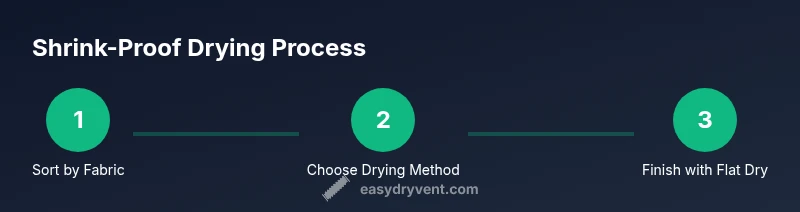
Effective drying starts with a smart workflow: clean clothes, mild drying, and timely completion. Begin by sorting items so that evenly weighted fabrics go together. Use appropriate wash settings to limit fiber stress before they enter the dryer. In the dryer, choose a low heat or delicate cycle, don’t overload the drum, and use moisture sensing to stop the cycle early when fibers still release some moisture. Remove garments while still slightly damp to finish air drying. For knits and delicate fabrics, consider laying flat after a brief spin to prevent stretch. This workflow minimizes tension and keeps shapes intact. The result is a wardrobe that stays snug without feeling tight as it wears.
Using Dryers Safely: Settings, Tips, and Common Mistakes
Safety and fiber care go hand-in-hand. Always set the dryer to the lowest heat that still dries the garment adequately. Use sensor-dry or time-limited cycles instead of running a long cycle on high heat. Overloading a dryer causes longer drying times and uneven heat, which invites shrinkage. Avoid letting fabrics bunch up or rub against themselves or the door; this friction can distort fibers. Pro tip: add a few clean towels to balance a small load and help with even drying, which reduces hot spots. Common mistakes include skipping care labels, using high heat on delicate fabrics, and drying bulky items longer than needed. Avoid these by planning your load, rotating items, and checking progress mid-cycle.
Air Drying Techniques That Preserve Shape
Air drying is often the gentlest option. Lay sweaters and knits on a flat, clean surface – preferably a rack or a clean towel – to prevent stretching. For most tops and trousers, you can shape them on a drying rack or hangers that maintain shoulder lines and seams. Avoid wire hangers that can create indentations, and don't hang wool items by their weight; instead, support them with a wide, padded surface. Flip items halfway if needed to promote even drying. In a humid climate, place the drying setup near a window or fan to improve air movement and reduce dampness. This method gives fibers a chance to reassume their natural dimensions without heat-induced contraction.
Troubleshooting Shrinkage: Quick Fixes and When to Stop
If garments have already shrunk, gentle reshaping while damp can help, but it won’t restore all fiber elongation. Re-wet and re-dry using low heat, especially for natural fibers. For cottons, you can try a light stretch while the fabric is damp and pin or lay flat to set the new shape as it dries. For wool, avoid aggressive stretching and allow it to dry flat to expand only to its natural size. In many cases, prevention is simpler than reversal, so adopt a habit of checking progress frequently during drying. If a garment shows pronounced shrinkage, consider professional alteration or replacement as a last resort during 2026 seasons.
Long-Term Habits for Shrink-Resistant Wardrobe
Keeping clothes from shrinking long-term is easier when you build a routine. Pre-wash garments in cold water and use mild detergents designed for fibers. Invest in a clothing rack or flat-lay setup that suits your space. Make a habit of air-drying delicate items whenever possible and only use a dryer for items that tolerate heat. Label heavy items that are prone to shrinkage, and rotate loads to avoid repeated heat exposure for the same piece. The Easy DryVent Team recommends staying vigilant about care labels and adjusting drying practices to match fiber composition. By establishing a consistent routine, you’ll protect fits and textures across seasons.
Tools & Materials
- Low-heat dryer setting(Look for 'Low', 'Delicate', or 'Air Dry' on your dryer)
- Sensor dry or moisture-sensing option(Stops cycles when fibers reach the right dryness level)
- Air-drying rack or clothesline(Essential for flat drying of knits and folded garments)
- Mesh garment bags(Protect delicate knits during gentle cycles)
- Balanced drying space (room with good airflow)(Helps air movement if you don’t have a dedicated rack)
Steps
Estimated time: 60-90 minutes
- 1
Review care labels and sort fabrics
Begin by reading each garment’s care label and sorting items by fabric type and weight. This prevents mixing fragile fibers with heavier textiles that can cause pilling and stretching during drying. A quick pre-sort reduces the risk of heat damage and keeps shapes intact.
Tip: Separate delicate knits from heavy towels to avoid abrasion and uneven drying. - 2
Wash with appropriate temperature and cycle
Choose cold water and a gentle cycle for fragile fabrics, and consider a warm cycle only for robust cottons if needed. Overly aggressive washing can pre-stress fibers, making them more prone to shrinkage during drying. Always use a mild detergent that suits fibers.
Tip: Pre-treat stains gently; aggressive scrubbing can damage fibers and encourage shrinkage later. - 3
Select a drying method by fabric type
Delicate knits and wool should be air-dried flat; cottons and synthetics can use low-heat tumble-dry if carefully monitored. Using a fabric-weighted approach prevents fibers from being pulled during high-heat cycles. When in doubt, air-dry and finish in the dryer only if necessary.
Tip: Use a mesh bag for loose-knit items to reduce snagging. - 4
Set the dryer to low heat and monitor moisture
If you use a dryer, select the lowest heat setting that dries the garment adequately, and rely on the moisture sensor to stop the cycle early. Overdrying is a primary cause of shrinkage, so check progress a few minutes into the cycle and pause if needed.
Tip: Remove items while slightly damp to finish air drying for best shape retention. - 5
Finish air drying with reshaping
Lay items flat or hang them on padded surfaces to retain shoulder lines and seams. Gently reshape sleeves, hems, and collars while damp to set the final fit as the fabric dries. Avoid hanging bulky knits by their weight, which can stretch them.
Tip: Support broader areas with a towel to distribute weight evenly. - 6
Maintain equipment and avoid heat hotspots
Regularly clean the lint trap and ensure your dryer vent is clear to improve efficiency and reduce the need for prolonged cycles. An efficient dryer produces less heat buildup, decreasing uneven shrinkage risk.
Tip: Vacuum lint filter housing monthly to prevent blockages. - 7
Plan loads and learn fabric-specific timings
Keep a rough timing guide for different fabrics based on your equipment. By planning loads, you can minimize repeated heat exposure on the same items, preserving size and texture across washes.
Tip: Document which fabrics shrink less with your settings to reuse effective methods.
Common Questions
Can I truly prevent shrinking in the dryer?
Yes, by using fabric-aware drying: low heat, shorter cycles, and timely removal to finish air drying. Always follow care labels for best results.
Yes. Use low heat, shorter cycles, and finish air-drying to prevent shrinkage, following care labels.
Is air drying always the best option?
Air drying is the gentlest method and most effective for preventing shrinkage, especially on knits and natural fibers. However, it may take longer and isn’t always practical for every load.
Air drying is the gentlest option and best for preventing shrinkage, though it can take longer and may not always be practical.
What temperature should cottons be dried at?
Dry cottons on low heat or use a delicate setting, and remove while slightly damp to finish air drying. High heat can cause cotton fibers to relax and shrink.
Cottons should be dried on low heat and finished with air drying to avoid shrinkage.
My clothes shrink after washing—what can I do now?
If shrinkage occurs, re-wet and reshape while damp, then dry on low heat and finish flat. Prevention is easier than reversal, so adjust future cycles accordingly.
Re-wet and reshape while damp, then dry on low heat and finish flat. Prevention is key.
Does fabric softener help prevent shrinking?
Fabric softener does not prevent shrinkage; focus on heat control and proper drying methods to maintain size and fit.
Fabric softener doesn't prevent shrinkage. Use proper drying methods instead.
Watch Video
Key Points
- Sort fabrics and read care labels before drying.
- Use low heat and shorter cycles to minimize shrinkage.
- Air dry delicate fabrics whenever possible.
- Do not overload the dryer.
- Finish knits and heavy items flat to maintain shape.