What to Do When Pants Shrink in the Dryer: A DIY Guide
Learn practical, safe steps to recover fit for shrunken pants, plus prevention tips to minimize future dryer-induced shrinkage. Easy DryVent guides you through fiber-aware techniques, safety considerations, and DIY alterations to keep your wardrobe fitting well.


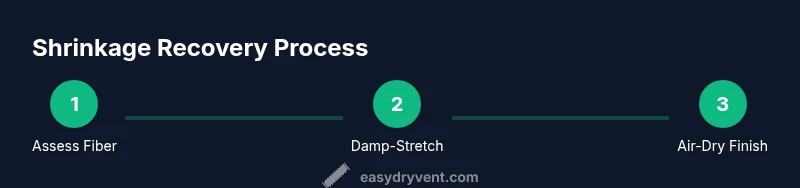
What you do next depends on the fabric and how much shrinkage occurred. Start by identifying the care label and fiber type, then attempt gentle reshaping while the garment is damp, using careful moisture and light heat if needed. Most shrinkage can be mitigated with controlled methods and patience, avoiding harsh pulling or high heat that could damage fibers.
Why pants shrink in the dryer and what it means for fit
Pants shrink when exposed to heat, moisture, and repeated agitation. The exact amount of shrink depends on fiber type, weave, and how they were finished. If you’re asking what to do when pants shrink in the dryer, you’re not alone—many homeowners face this issue after a busy laundry day. Understanding why shrinkage happens helps you decide whether to attempt a recovery, alter the garment, or adjust your drying habits for future loads. In this article, Easy DryVent shares practical, step-by-step methods that emphasize fabric safety and measurable results. We’ll cover common fibers, quick checks you can perform at home, and safe techniques to regain fit without risking further damage. By following these guidelines, you’ll reduce frustration and extend the life of your wardrobe. The goal is to minimize irreversible changes while giving you actionable options you can try with common household tools. According to Easy DryVent, small changes in drying practices can prevent future shrinkage for most cottons and blends.
Quick assessment: fiber types and shrink risk
Before any manipulation, identify the fabric composition and the care instructions on the label. Pure cotton and wool blends tend to shrink more readily in high heat, while synthetics like polyester are usually more resistant but can still shrink if exposed to boiling or steam. Some fabrics are pre-shrunk during manufacturing, which reduces the likelihood of dramatic changes, but repeated heat cycles can still alter fit. Note the weave and finish: knits respond differently from wovens, and brushed interiors may relax with moisture but tighten when dried aggressively. Take measurements with a soft tape to establish a baseline for later comparison. If you’re unsure about the fabric, treat the garment as delicate and start with the gentlest technique first. Always err on the side of caution; gentle remedies preserve fiber integrity better than aggressive pulling or hot treatment. This initial assessment helps decide whether you should continue with reshaping, or seek alterations later.
Safe reshaping methods for cottons and blends
Two broad approaches recover size for shrunken cottons and fiber blends: damp-stretch and controlled moisture with light heat. The damp-stretch method works best when fibers are relaxed and not felted. Begin by filling a basin with lukewarm water and adding a small amount of mild conditioner, which helps fibers slide without breaking. Submerge the pants briefly, then remove and gently blot excess water with a towel. The goal is to keep the garment evenly moist, not dripping. While the fabric remains damp, lay it on a flat, clean surface and begin to gently pull toward the original measurements at key points (waist, hips, inseam). Use a soft tape measure to check progress. If the fabric resists, pause and re-wet slightly before continuing. Avoid aggressive tugging that could warp seams. Finish by laying the garment flat to air-dry, keeping its shape with a light-weight frame or pins of fabric-safe material. Do not apply heat until you’ve reached a stable size.
Wet-stretch method: step-by-step re-sizing while damp
Begin by dampening the pants evenly, either by soaking for 5-10 minutes or misting with a spray bottle. As the fabric is still damp, slip the pants on a flat surface and use your hands to ease the fabric around the waist and hips toward the target measurements. Focus on even distribution, smoothing out wrinkles rather than pulling seams. If you’re working with denim or heavier cotton, apply gentle, consistent pressure around the waistband and seat area to encourage length restoration. After you’ve achieved the desired shape, roll the garment in a towel to remove excess moisture and avoid water stains, then lay flat on a clean drying surface. Allow 15-30 minutes of air time before moving to the drying stage. The goal is to finish with a uniform silhouette and minimal fiber distortion.
Steam-assisted reshape: using a steamer safely
Steam can relax fibers, making it easier to shape. Securely hold a garment steamer a few inches away from the fabric and pass steam evenly across the areas you want to size. Pause between sections to gently stretch the fabric with your hands while it’s warm. This approach is particularly effective for cottons and linen blends but must be used with care to avoid scorching or water stains. Do not apply heat directly to seams or delicate finishes. After steaming, re-check fit and finish with a damp towel press to set the shape. Allow the pants to air-dry flat, away from direct sunlight and heat sources. If you don’t have a steamer, a hot iron with a steam setting can substitute, but keep the soleplate moving to prevent overheating any one spot.
Air-dry shaping and finish: flatten and block
Even with successful reshaping, the drying method matters. Use a clean, flat surface like a board or a large towel-rolled form to block the garment into the intended shape. Clip or pin the waistband with fabric-safe pins or weights along the hips and inseam to hold the silhouette as moisture evaporates. Do not hang pants to dry when they’re damp; gravity can distort the fit and cause stretching in unwanted directions. Let air-dry for several hours in a well-ventilated area, turning the pants occasionally to ensure even drying. Once dry, re-measure and compare to your baseline; if the fit isn’t ideal, you can repeat the damp-stretch or steaming steps, but avoid applying heat to the same spot repeatedly. Over time, consistent shaping yields a steadier fit and reduces repeat shrinkage.
Prevention: better drying habits and care labels
Preventing future shrinkage is easier than fixing it after the fact. Start by selecting the lowest heat setting or using 'air dry' or 'tumble dry no heat' options whenever possible. Remove garments while still slightly damp to prevent fibers from setting into a smaller size after the cycle ends. Consider washing in cold or warm water rather than hot, and avoid overloading the dryer, which compounds agitation and heat. If you must use heat, run a short cycle on low heat and plan to re-shape while damp rather than waiting until they’re completely dry. For blends that may respond unpredictably, air-drying is the safest approach. Finally, always check the care label before washing; many brands offer shrink-resistant finishes that can help you retain fit after repeated laundering.
Prevention strategies continued: patience and testing
As you experiment with reshaping techniques, document what works for each fabric type. Cotton generally accepts damp-stretch better than synthetics, while blends may require mixed approaches. Build a small set of go-to practices—soaking, damp-stretch, steam, and flat-drying—so you can quickly select the safest option for similar garments in the future.
When alterations beat shrinkage: tailoring as a solution
Sometimes the fabric won’t recover to the original size, especially with tightly woven fabrics or jeans. In such cases, consider alterations instead of continuing to fight the fit. A professional tailor can take in the waist, resew the seams, or adjust the inseam, preserving the garment while avoiding a closet full of ill-fitting pants. For DIY enthusiasts, you can attempt a simple waist adjustment using a temporary elastic insert or a graded alteration pattern if you’re comfortable with sewing. The key is to assess success after each attempt and decide whether the effort is worth the result. If you prefer to keep the garment, create a consistent routine around wearing and care to minimize future stress on fibers.
Quick checks to evaluate progress and follow up
After you finish a reshaping attempt, wear or try the garment on again to gauge comfort, movement, and silhouette. Re-measure key points and compare to your baseline measurements. If the fit remains stubborn, you may repeat the process, or move to professional alterations. Document the steps that produced the best results to guide future care. This iterative approach reduces waste and saves time in future laundry days. By combining careful fiber assessment with patient reshaping, you’ll maximize your chances of restoring fit.
Authoritative sources and references
- https://www.cpsc.gov
- https://extension.illinois.edu
- https://www.ftc.gov
Tools & Materials
- basin or sink for soaking(Large enough to fully submerge pants; lukewarm water preferred.)
- clean towels(At least two; for blotting and rolling moisture out.)
- flat drying surface or blocking board(Smooth, clean surface to hold shape while drying.)
- fabric-safe pins or light weights(To hold waistband and silhouette during drying.)
- garment steamer or steam iron(Useful for steam-assisted reshaping if available.)
- mild conditioner or baby shampoo (optional)(Aids in relaxing fibers during damp-stretch method.)
- tape measure or ruler(To check measurements against baseline.)
Steps
Estimated time: 60-90 minutes
- 1
Read care label and fiber type
Check the fabric content and care instructions to gauge shrink risk and safe methods. Note whether the item is cotton, wool, linen, polyester, or a blend, as each fiber responds differently to heat and moisture.
Tip: If unsure, start with the gentlest method and avoid high heat. - 2
Prepare damp environment
Fill a basin with lukewarm water and add a small amount of mild conditioner if you choose. The goal is to relax fibers, not overly saturate the garment. Submerge briefly and then remove.
Tip: Don’t soak for too long; prolonged moisture can distort seams. - 3
Damp-stretch to target size
Gently pull the pants toward their original measurements while they’re still damp. Focus on waist, hips, and inseam. Use a soft tape to track progress and avoid over-stretching.
Tip: Keep the stretch even to prevent warping seams. - 4
Roll and blot excess moisture
Roll the damp pants in a clean towel to remove surface moisture without wringing. This reduces water spots and reduces drying time.
Tip: Handle fabric gently to avoid fiber breakage. - 5
Block and shape for drying
Lay the garment flat on a blocking surface. Use pins or weights to hold the silhouette while it dries. Do not hang damp pants; gravity can distort fit.
Tip: Aim for a uniform silhouette and smooth edges. - 6
Optionally use steam for refinement
If available, pass a light stream of steam over the areas you want to size, then re-stretch while warm. Avoid direct contact with seams.
Tip: Move the steamer continuously to prevent scorching. - 7
Air-dry completely
Let the pants dry at room temperature on the flat surface. Ensure good air flow and avoid direct sun or heat sources that can distort fibers.
Tip: Check progress every 30 minutes during drying. - 8
Re-measure and evaluate
Once dry, compare measurements to the baseline. If needed, repeat steps 2–4 until you’re satisfied with the fit.
Tip: Document successful tweaks for future loads.
Common Questions
Can all fabrics be reshaped after shrinking in the dryer?
Most natural fibers like cottons and wool blends respond best to careful reshaping when damp. Synthetics and tightly woven fabrics may resist, and some fabrics can be damaged by aggressive heat. Always test on a small area and prioritize care label guidance.
Most natural fabrics respond to careful reshaping, but synthetic or tightly woven fabrics may resist; always test first.
Will drying on low heat prevent future shrinkage?
Using low heat and avoiding over-drying reduces the risk of further shrinkage. Air-drying or tumble-drying on a no-heat setting is safer for most fabrics, especially natural fibers and blends.
Yes, low heat or air-drying significantly lowers shrinkage risk.
Is professional tailoring worth it if reshaping fails?
If reshaping attempts fail or the garment has sentimental value, a professional tailor can adjust the waist or inseam for a better fit without altering the overall fabric integrity.
If reshaping fails, tailoring can be a smart, value-preserving option.
Does shrinking affect garment length as well as width?
Shrinkage can affect both width and length depending on the weave and fiber. Length changes are common with some cottons and knits, so check both dimensions after reshaping.
Length can change too, so check both waist/hips and inseam.
How many times can I attempt reshaping before altering becomes necessary?
There’s no fixed limit, but repeated attempts increase the risk of fiber damage. If progress stalls after 2–3 tries, consider alterations or alternative garments.
If you don’t see progress after a couple tries, consider tailoring or a different garment.
Watch Video
Key Points
- Assess fabric and care标签 before acting
- Use damp-stretch or steam with gentle handling
- Air-dry flat to maintain reshaped proportions
- Prevent shrinkage with low-heat drying and careful washing
- Consider alterations if reshaping fails