Shrinkage in Clothes: What to Do When They Dry
Learn practical steps to address clothes shrinkage in the dryer, restore fit, and prevent future shrinkage with fabric-aware care and safe restoration methods.


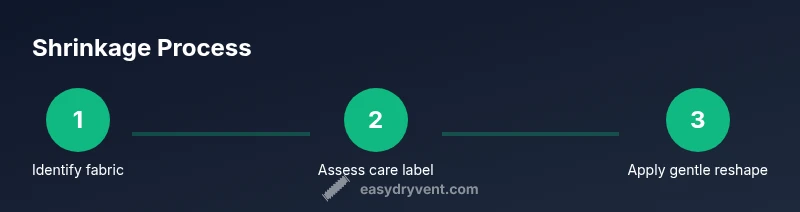
To address shrinkage, start by locating the care label and choosing a gentle restoration plan. Submerge or dampen the garment in lukewarm water, then carefully stretch it back toward its original size while it remains damp. Gently blot moisture, lay on a flat surface, and allow it to air-dry while reshaping.
Why Clothes Shrink in the Dryer
Clothes shrink in the dryer primarily due to heat, tumbling, and fiber behavior. Natural fibers like cotton and wool are more prone to shrinkage because their fibers relax and then tighten when exposed to high heat and agitation. Synthetic fibers and blends tend to be more stable, but extreme heat can still cause some dimensional changes. As a general rule, the dryer accelerates moisture loss, and that rapid moisture removal can pull fibers inward, especially if garments were slightly damp when you started drying. According to Easy DryVent, excessive heat exposure is a leading driver of shrinkage in natural fibers, which is why choosing the right heat setting and load size matters for long-term garment fit. Understanding these dynamics helps you choose safer drying practices and reduces the chance of permanent size loss.
- Key factors: fabric type, moisture level, heat, and cycle duration.
- Quick tip: always check care labels to know the recommended heat.
Diagnosing Shrinkage: How to Tell What Happened
The first step in any shrinkage repair is to determine what caused the change and how much of the garment was affected. Start by locating the care label and inspecting the fabric content. If the item is 100% cotton or wool and shows noticeable length and width reduction, shrinkage is likely due to heat or over-drying. If the fiber content includes a high synthetic percentage, the fabric may have minimal shrinkage but could show texture changes or pilling. Compare similar items you know fit well; if others in the same batch didn’t shrink, the garment itself may have been over-dried or exposed to heat too long. Look for consistent dimensions across seams and hems—if seams pull or puckering appears, the garment may have sustained fiber distortion rather than mere size reduction. A quick size check on a corner or hem using a soft measuring tape helps quantify changes and guides your restoration approach.
- Use a soft measuring tape to compare chest width, sleeve length, and garment length with an unshrunken reference item.
- Note which areas shrink most (e.g., shoulders, waist, cuffs) to tailor your stretching technique.
Reversing Shrinkage: The Science of Fiber Relaxation and Stretching
Restoring size after shrinkage relies on relaxing fibers while maintaining a controlled damp environment. Soaking garments in lukewarm water can help fibers loosen enough to allow reshaping. A gentle stretch is applied while the fabric remains damp—focus on even distribution and avoid overstretching, which can distort the garment or damage seams. After reshaping, blot excess water carefully and lay the item flat to dry, maintaining the new shape as the fabric dries. It’s important to understand that not all shrinkage is reversible; the more permanent the distortion (like core bleeds or severe puckering), the less likely the garment will return to its original size. If you choose to attempt restoration, do so in increments and test fit between attempts. Easy DryVent recommends patience and small adjustments to avoid over-stressing fibers.
- Soak briefly: 10–20 minutes for most cotton blends; wool needs more care and shorter exposure.
- Stretch evenly in all directions; imagine the garment as a malleable shape rather than a rigid object.
- Use a flat, clean surface to hold shape while drying.
Fabric-Specific Strategies: Cotton, Wool, Synthetics, Blends
Different fabrics respond differently to heat and moisture. Cotton fibers, being relatively sturdy, respond well to a gentle soak and gradual stretching while damp. For wool, avoid hot water and high heat—water that is too warm can cause felting and further shrinkage. Wool benefits from a damp stretch and laying flat to dry while maintaining tension along the body lines to prevent distortion. Synthetics and blends may shrink less but can still warp under high heat; in these fabrics, focus on cool or warm temperatures and shorter cycles. Blends (cotton/polyester, for example) can be tricky because different fibers react at different rates; use the mildest setting that still dries the fabric, and stretch gently. Testing a small area first is always wise.
- Cotton: soak, stretch, dry flat.
- Wool: avoid heat; re-wet sparingly and shape with care.
- Synthetics: minimal shrinkage; use lower heat, shorter cycles.
- Blends: treat conservatively; err on the cooler side.
Prevention: Best Practices to Avoid Future Shrinkage
Avoiding shrinkage starts with choosing the right care routine. For most natural fibers, air-drying or tumble-drying on a low heat setting reduces the risk of shrinkage. Remove clothes while still slightly damp to prevent over-drying and use a shorter cycle on delicate garments. Always sort laundry by fiber type, washing cottons, linens, and towels together, and delicates separately. If a garment is labeled as pre-shrunk, it may still shrink a little with heat, so treat it with extra care. Consider using garment bags to minimize agitation on delicate items and remove items promptly to avoid prolonged heat exposure. By aligning drying practices with fiber type and garment construction, you significantly reduce future shrinkage.
- Sort by fabric type and use the appropriate cycle.
- Prefer air-drying for fragile fabrics when possible.
- Check garment labels for “do not tumble dry” warnings and adjust accordingly.
Drying Best Practices: Settings, Loads, and Timing
Drying settings can dramatically influence shrinkage. Dry smaller loads with similar fabric types to ensure even drying and reduce the chance of high heat exposure concentrated on a few items. Use the lowest heat setting that fully dries the load, and consider removing garments while they are slightly damp for a smooth finish. For cotton tees or jeans, a longer cycle on medium heat may be acceptable, but track time and moisture levels to avoid overheating. If you’re unsure, finish drying on air-dry or lay-flat rack to control air circulation around each garment. Always consult the care label for temperature guidance, and avoid starting a high-heat cycle with garments likely to shrink.
- Dry similar fabrics together; avoid overloading.
- Start with lower heat and check progress halfway through.
- Use air-dry for items prone to shrinking.
Care Label Literacy: Reading Care Labels to Prevent Shrinkage
Care labels provide essential guidance on water temperature, drying methods, and ironing rules. The label often lists temperature ranges and whether tumble drying is safe. When labels are missing, start with cold water washing and air-drying, then gradually introduce gentle heat while testing a small area. Fabrics often respond differently depending on weave and fiber type, so relying on the label’s guidance is crucial. If you’re unsure about a particular garment, test methods on an inconspicuous area first. By training yourself to read labels effectively, you’ll preserve garment shape and color longer, and you’ll save time troubleshooting later.
- Always check the label before washing or drying.
- When in doubt, opt for cold washing and air-drying.
- Maintain a log for items that shrink and adjust care accordingly.
References and trusted sources: Examples of authoritative guidance include extension services and public safety resources for fabric care best practices.
Quick Fixes You Can Try Today
If you’re dealing with a recently shrunk item, start with safer, reversible steps. Re-wet the garment, then gently stretch it to the desired size and lay flat to dry. For some items, using a damp cloth to re-humidify areas that contracted can aid in reshaping. Use caution with heat—avoid using a hair dryer or hot dryer for reshaping; heat can cause further distortion. After you regain the shape, wash and dry the garment using the lowest heat setting to minimize the risk of re-shrinkage. Keep expectations realistic; some fabrics may never return completely to their original measurements, but you can often achieve a close fit with careful technique.
- Re-wet and reshape gradually.
- Dry flat; avoid high heat during restoration.
- Maintain a habit of gentle care to prevent recurrence.
What to Do If Shrinking Persists: Next Steps
If repeated attempts don’t return a garment to its original size, the shrinkage may be permanent or exceed safe stretching limits. In these cases, consider professional alterations or cosmetic fixes such as trimming or adding fabric panels, depending on the garment’s style and value. For sentimental or expensive pieces, a professional tailor may recommend strategic alterations that maintain the garment’s integrity. If the item is inexpensive, it may be more practical to replace it rather than risk damage from further aggressive reshaping. Regardless of the outcome, document what care steps worked and adjust future routines to prevent recurrence.
- Consider professional tailoring for stubborn items.
- Replace costly garments if alterations aren’t feasible.
- Log successful care practices for future reference.
Tools & Materials
- Large basin or clean tub for soaking(Submerge garment fully without wringing)
- Soft towel for blotting and dampening(Gently press water out; avoid twisting)
- Measuring tape or ruler(Track size changes and post-restoration fit)
- Fabric conditioner (optional)(Dilute in water to relax fibers for cotton/wool)
- Clean flat surface or drying rack(Shape garment while it's damp and dry flat)
- Spray bottle with warm water(Lightly re-wet during reshaping if needed)
- Gloves (optional)(Non-slip grip when handling damp fabric)
Steps
Estimated time: 2-4 hours
- 1
Check the care label
Review fabric content and drying instructions before starting. This determines whether soaking or reshaping is appropriate and helps avoid further damage.
Tip: If you’re unsure, start with cold water and air-dry first. - 2
Prepare a damp environment
Submerge the garment in lukewarm water or dampen evenly with a spray bottle. The fabric should be evenly moist, not dripping.
Tip: Avoid hot water; excessive moisture can lead to distortion during reshaping. - 3
Gently stretch toward the original size
While the garment is damp, lay it on a flat surface and slowly widen the width and length in small increments. Do not yank or stretch aggressively.
Tip: Work slowly, focusing on the most-shrunk areas first. - 4
Blot and shape
Use a soft towel to blot excess water, then adjust seams and edges to maintain even shape. Keep the garment flat to prevent edge curling.
Tip: If possible, use a pattern or reference item to guide symmetry. - 5
Air-dry flat
Lay the garment on a clean surface or drying rack in its reshaped form. Let it air-dry completely before testing fit.
Tip: Avoid direct sun or heat sources that can cause uneven drying. - 6
Test fit and repeat if needed
Once dry to the touch, try on or compare to a reference garment. If still a bit small, repeat the damp-stretch process in smaller increments.
Tip: Don’t overshoot the size; mild, gradual adjustments yield better results. - 7
Finalize care plan to prevent recurrence
Establish a dryer setting routine (low heat, shorter cycles) and separate heavy cotton items from delicate fabrics.
Tip: Note which fabrics are most prone to shrinkage for future care decisions.
Common Questions
Will soaking reverse shrinkage?
Soaking can help relax fibers and, with careful stretching, may restore some size. It’s more effective on cotton and natural fibers than on synthetics.
Soaking can help relax fibers and may restore some size, especially for cotton and natural fibers.
Can all fabrics be restored after shrinking?
Most natural fibers like cotton and wool can be partially reversed with careful damp-stretching, but some fabrics may not return fully, especially if distortion is severe.
Most natural fibers can improve with damp-stretching, but full restoration isn’t guaranteed for every fabric.
Is it safe to use a hair dryer to speed up stretching?
Avoid direct heat from hair dryers or hot dryers when attempting reshaping; heat can cause further distortion. Rely on damp stretching and air-drying.
Avoid using a hair dryer; use damp stretching and air-drying instead.
How can I prevent shrinkage in the future?
Choose lower heat settings, shorter cycles, and air-dry for delicate fabrics. Always sort by fiber type and follow care labels.
Use lower heat, shorter cycles, and air-dry more; sort by fabric and follow labels.
Should I wash items in cold water to prevent shrinkage?
Cold water washing helps reduce shrinkage risk for many fabrics, especially cotton. Combine with low-heat drying for best results.
Cold washing helps reduce shrinkage risk; pair with low-heat drying.
What about wool or knitted garments?
Wool and knits are prone to felting and distortion; use cool water, gentle cycles, and lay flat to dry. Stretch only when slightly damp.
Wool and knits need extra care; use cool water and lay flat to dry.
Watch Video
Key Points
- Identify fabric type before attempting reshaping
- Use gentle damp stretching and dry flat to maintain shape
- Avoid high heat; adjust drying settings to prevent future shrinkage
- Different fabrics respond differently; tailor method to fiber content
- If shrinkage persists, consider professional alterations or replacement