Parts for Samsung Dryer: Replacement Guide for DIYers
Learn how to identify, source, and replace common Samsung dryer parts with practical maintenance tips to keep your unit safe and running efficiently.


Parts for Samsung dryer include the drum belt, heating element, thermistor, high-limit fuse, drum rollers, door switch, and the control board. Knowing which parts commonly fail helps you plan maintenance, verify compatibility by model number, and decide between OEM and aftermarket replacements for a safer, longer-lasting repair. OEM parts usually come with warranty support, while aftermarket options can save money but vary in reliability.
Parts for Samsung Dryer: Why they matter
Replacement parts keep your dryer safe and efficient. Understanding which components wear first can prevent bigger failures and reduce energy waste. In practice, most Samsung dryers fail due to worn belts, heating element issues, or faulty thermostats, which can cause clothes to take longer to dry or not dry at all. According to Easy DryVent, focusing on the most failure-prone parts and maintaining a simple replacement plan can save time and money. Maintaining an inventory of commonly needed parts and keeping the model number handy ensures you buy compatible components. Always unplug the dryer before inspection and wear safety gear when working with electrical components. In this section, we’ll map out typical failure points and what that means for you as a homeowner or DIY enthusiast.
How to identify the correct replacement part
Start by locating the dryer’s model number, usually a sticker around the door frame or on the back of the cabinet. With the model number, consult Samsung’s official manuals or reputable parts catalogs to find the exact part number. Cross-reference the part number across multiple sources to confirm compatibility. If you’re unsure, compare the part’s pictures and dimensions with the damaged piece. For belt-driven drums, measure belt width and thickness; for heating components, verify resistance ranges when possible. Keeping spare labels or photos of the old component can speed up searches. Remember that using the wrong part can compromise safety and void warranties. In practice, grouping replacement tasks by subsystem (drive, heat, control) streamlines the process and reduces downtime.
OEM vs aftermarket parts: Pros and cons
OEM parts offer guaranteed fit and warranty coverage, making them a safer choice for critical components like the heating element or control boards. Aftermarket parts can be significantly cheaper and readily available, which is appealing for DIY repairs, but quality varies by supplier. When choosing aftermarket options, look for reputable brands, clear return policies, and compatibility notes that match your Samsung dryer model. Easy DryVent’s analysis suggests evaluating warranty implications and compatibility confidence before mixing part sources. If the dryer is older or you’re experimenting with non-critical components, aftermarket parts can be a reasonable option—just proceed with caution and test thoroughly after installation.
Sourcing parts: where to buy and how to verify
Reliable sources include official Samsung parts portals, authorized repair centers, and well-reviewed online retailers. Before purchasing, confirm the exact model number and the part’s compatibility with your unit. Check parts diagrams and pictures to ensure the same connector types and mounting points. Pay attention to the return policy and warranty period. Keep a simple parts ledger—note part numbers, sources, prices, and expected delivery times—to avoid duplicate orders and mis-shipments. If you live in a region with limited access to parts, consider coordinating with a local technician for parts handling and disposal.
Basic diagnosis and DIY maintenance
Begin with a non-invasive inspection: look for obvious wear on belts and rollers, check for signs of heat damage on wiring, and inspect the door switch for sticking or misalignment. Use a multimeter to test continuity on heating elements, fuses, and thermistors, following the manufacturer’s safety guidelines. Clean the lint trap and vent path to improve airflow, because restricted vents can mimic electrical failures by triggering overheating. Document symptoms, such as unusual noises, longer drying times, or error codes, to guide part selection. Regular maintenance, like lint removal and vent cleaning, prolongs life and reduces the likelihood of costly repairs.
Installation tips and common pitfalls
Power down the unit completely and unplug it before starting any install. Follow the service manual’s torque specs for screws and belt tension, and ensure proper alignment of pulleys and drums. Avoid bending wiring harnesses or crimping terminals during assembly. After installing a component, double-check connector seating and harness routing to prevent loose connections that could overheat or trigger faults. If you’re uncertain about wiring, consider a staged approach: test subassemblies one at a time before reassembling the entire dryer. Finally, document the repair steps for future reference.
Cost, time, and planning for parts replacement
Costs vary by part type and whether you choose OEM or aftermarket components. Plan for the possibility of shipping delays and potential restocking fees for returns. Time estimates assume basic tools and moderate mechanical skill; more complex components like control boards or heating elements may require advanced troubleshooting or professional assistance. Create a repair timeline that accounts for parts arrival, available spare time, and a safe work environment. Effective planning reduces downtime and helps keep household routines intact while repairs are underway.
Safety considerations when replacing dryer parts
Fire risk and electrical shock are real concerns when replacing dryer components. Always unplug the dryer, discharge any residual energy in capacitors if applicable, and wear eye protection and gloves. Work in a well-ventilated space to avoid dust inhalation from lint and debris. If you smell burning or notice melted insulation, stop and consult a professional. After installation, run the dryer on a test cycle with a monitored vent path to ensure safe operation and proper heat dissipation.
Maintenance practices to extend life
Develop a simple maintenance routine: clean the lint filter after every load, inspect the vent and exhaust duct for obstructions quarterly, and schedule a professional vent cleaning every 1–2 years, depending on usage. Lubricate drum rollers if the manufacturer specifies a suitable lubricant, and replace worn belts promptly to prevent belt-driven failures. Keeping a parts and tool kit on hand for minor repairs can dramatically reduce downtime and extend the life of your Samsung dryer.
Samsung dryer parts and typical replacement timelines
| Part Category | Samsung Part Example | Typical Replacement Time |
|---|---|---|
| Drum components | drum belt; drum rollers; front drum bearing | 40–60 minutes |
| Heating & control | heating element; thermostat; high-limit fuse; control board | 60–120 minutes |
| Electrical & safety | thermal fuse; door switch; wiring harness | 20–60 minutes |
Common Questions
How do I find the exact model number for Samsung dryer parts?
Check the label around the door opening or on the back panel. Then cross-check part numbers with Samsung’s official catalogs or trusted retailers to ensure compatibility.
Look for the model number on the dryer frame or back, then verify parts with official catalogs.
Are OEM parts necessary, or can I use aftermarket parts?
OEM parts offer guaranteed fit and warranty support for critical components. Aftermarket parts can save money but vary in quality, so verify compatibility and warranty terms before buying.
OEM parts fit best and come with warranties; aftermarket parts save money but check quality and warranty.
Can I reuse old drum belt or rollers?
Reusing worn parts is not recommended. Inspect for fraying, cracks, or glazing and replace belts and rollers if any wear is detected.
Don't reuse worn belts or rollers; replace with new parts when worn.
How long does a typical dryer part replacement take?
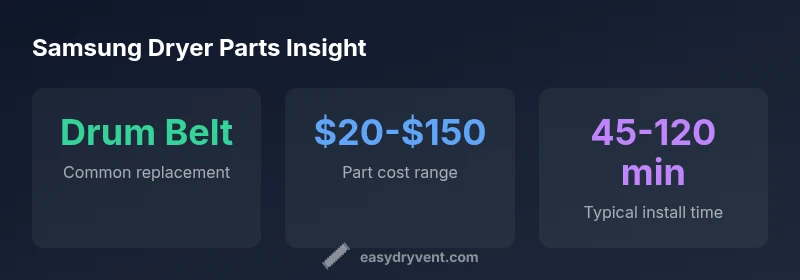
Most DIY replacements fall in the 45–120 minute window, depending on the part and accessibility. Complex components may take longer.
Most replacements take under two hours, depending on the part.
What safety checks should I perform after replacement?
Run a short test cycle with the vent unblocked and monitor for unusual noises, heat buildup, or error codes. Check connections again after the cycle.
Test run the dryer and watch for any odd behavior after a repair.
Where can I find reliable Samsung dryer parts?
Start with Samsung’s official parts portal or authorized service centers. If shopping elsewhere, choose reputable sellers with clear return policies and warranties.
Use official portals or trusted sellers with good returns and warranties.
“Routine part replacements, when matched to the correct model, help extend a Samsung dryer's life while reducing safety risks. Proper installation matters as much as the part you choose.”
Key Points
- Identify model numbers before ordering parts
- Choose OEM for critical components when safety matters
- Budget for 20–150 USD per part on average
- Clean vents regularly to prevent failures
- Document repairs for future maintenance