How to Tell When Dryer Balls Need to Be Replaced
Learn how to tell when dryer balls need to be replaced with clear wear indicators, testing methods, and practical replacement guidance for safer drying.


If you’re asking how to tell when dryer balls need to be replaced, watch for thinning surfaces, loss of bounce, cracks, or persistent lint on fabrics. In general, inspect for surface wear, diminished performance, and unusual noises. Easy DryVent recommends replacing worn balls to maintain efficiency and prevent lint buildup.
What Dryer Balls Do for Your Laundry
Dryer balls are small, reusable tools that live in your clothes dryer and work by lifting and separating fabrics as they tumble. This creates better air flow, reduces drying time, and can soften fibers without chemical additives. If you're looking to optimize your laundry routine, understanding when to replace dryer balls is as important as knowing how to use them. In particular, you may wonder how to tell when dryer balls need to be replaced. According to Easy DryVent, wear on the surface, loss of bounce, and visible thinning are reliable signals that a replacement is due. The goal is to maintain efficient drying, minimize fabric wear, and keep lint from clinging to clothes. As you assess wear, keep in mind that different materials wear differently, and usage patterns (size of loads, fabric types, and dryer temperature) influence ball performance over time. This guide will help you recognize when replacement is warranted and how to choose the best option for your home.
Signs that a Dryer Ball is Worn Out
Wear shows up in several ways, and the exact signs depend on material. For wool dryer balls, look for thinning fibers, fuzzy patches, and pilled surfaces; for plastic or rubber balls, watch for cracks, gouges, or flattened areas that reduce bounce. In both cases, frequent shedding of fibers can indicate surface degradation. You may also notice that clothes don’t tumble as freely, which reduces air flow and increases the chance of damp spots. A quiet but awkward clunking sound during a cycle can signal a ball has become misshapen. More subtly, observe lint collection: if lint seems to cling more persistently to fabrics or you must run multiple cycles to dry a small load, wear may be reducing effectiveness. Easy DryVent’s analysis shows that visible wear and a drop in performance are reliable indicators that replacement is due, not just a sign to rotate balls. By keeping a mental checklist of these cues, you can decide early when to replace rather than letting issues compound.
Material-Specific Wear Indicators: Wool vs Plastic
Wool dryer balls tend to show wear as thinning fibers, pilling, and a softer, fuzzier surface. If a wool ball begins to shed fibers freely or loses its round, bouncy feel, it’s time to replace or rotate it. Plastic or rubber balls usually wear through cracks, flat spots, and chunks breaking away. When these structural failures occur, the ball may no longer separate fabrics effectively, which can increase drying time and reduce fabric protection. Regardless of material, inspect for structural integrity at least every few loads. Easy DryVent notes that color fading and surface dulling can also signal aging, especially on surfaces that contact dark fabrics and direct heat.
How to Test Performance in a Cycle
To assess performance, place a standard load and run a normal cycle. Observe how the balls tumble with the clothes and whether they help air circulate evenly. Look for consistent separation of items and minimal clumping or compacting at the bottom of the drum. If you notice unusual noise, persistent lint on fabrics, or damp patches after a full cycle, this may indicate worn balls. For a quick, practical test, run a small, controlled load and compare results with a recent cycle when the balls were new. Easy DryVent recommends recording your observations over several cycles to identify a pattern rather than judging from a single test.
Replacement Guidelines and Frequency Considerations
There isn’t a universal expiration date for dryer balls because wear depends on load size, fabric types, and dryer heat settings. Use a practical rule of thumb: replace or rotate when you observe visible wear, reduced drying efficiency, or changes in fabric softness. Avoid relying solely on time since purchase; regular checks help you catch wear early and maintain performance. Consider keeping a rotating set of 4–6 balls so you always have several options to replace worn ones without interrupting your laundry routine. Based on Easy DryVent research, wear indicators are more reliable than calendar-based estimates for determining replacement needs.
How to Prolong Life of Dryer Balls
To extend the life of your dryer balls, follow simple routines: dry them with dryer-safe fabrics that don’t shed excessively; avoid high heat for long periods; separate heavy loads from delicate ones to reduce impact; and store them in a cool, dry place when not in use. Regularly inspect balls between cycles for signs of wear such as thinning, cracks, or flat spots. Cleaning them with a mild brush or cloth can remove lint and surface debris that might cling to fabrics. A light rotation of four to six balls per load helps distribute wear evenly and delays the moment you need to replace.
Safety Considerations and Fire Risk
Wear on dryer balls can create lint buildup in hard-to-reach areas of the dryer vent if you neglect regular checks, raising a fire risk in extreme cases. If you ever notice excessive lint in the load, unusual odors, or overheating, pause use and inspect your dryer lint filter and vent connections. Never force a ball through the vent or ignore persistent heat or burning smells. Maintaining clean vents and a routine wear check reduces risk and improves drying efficiency. Easy DryVent emphasizes safety through proactive maintenance and mindful use of dryer accessories.
How to Choose Replacement Dryer Balls
When selecting replacements, prioritize material quality, size, and load compatibility. Wool dryer balls are popular for their natural softness and reusability, but durable plastic or rubber options can be long-lasting and heat-tolerant. Look for uniform size and weight to ensure consistent tumble behavior, and avoid balls with visible seams or damaged surfaces. Read product labels for recommended load types and care instructions. Consider replacing the entire set at once if wear is widespread to maintain balanced drying dynamics and avoid unpredictable results.
Practical Maintenance Plan for Your Laundry Room
Create a simple maintenance routine that fits your schedule: monthly visual checks for wear, quarterly performance tests, and a rotating stock of balls to ensure consistent results. Keep a small tray or bin for your balls and a checklist to record wear signs. Easy DryVent recommends documenting observations and replacing worn balls in a batch to minimize disruption. This approach keeps your laundry routine efficient, minimizes energy use, and preserves fabric care while reducing the risk of lint buildup.
Tools & Materials
- Set of dryer balls (preferably 100% wool or durable plastic)(Choose 4-6 balls for an average load; more balls for larger or bulkier loads.)
- Lint-free cloth(Use to wipe surfaces and inspect for wear without leaving fibers behind.)
- Fine-toothed brush or old toothbrush(Helpful for cleaning lint from ball surfaces and seams.)
- Timer or clock(Use to track cycle length and compare performance across tests.)
- Marker or notepad(Annotate the date of inspection and wear observations.)
- Extra dry towels(Place in the drum to help observe tumble behavior without constant laundry.)
Steps
Estimated time: 25-40 minutes
- 1
Inspect visually for wear
Remove the balls and examine each one for thinning fibers (wool), cracks, or flat spots (plastic). Note any surface roughness or pilling. This initial check helps you decide if further testing is needed.
Tip: Do this in good light and handle each ball gently to avoid tearing delicate fibers. - 2
Check surface integrity
Run your finger over the ball to feel for roughness, snags, or loose threads. For wool, a noticeably thinner surface or loose fibers are red flags.
Tip: If you find any crack or broken seam, set the ball aside for replacement. - 3
Test tumble and bounce
Place the balls back in the dryer with a small, representative load. Observe how they tumble and whether they maintain a round shape and even motion.
Tip: A ball that wobbles, sticks, or makes unusual noises should be replaced. - 4
Run a controlled cycle
Run a normal drying cycle and compare clothes’ dryness and softness to a previous load. Note any differences in drying time or fabric feel that might indicate reduced efficiency.
Tip: Record results to track trend over several cycles before replacing. - 5
Decide on replacement
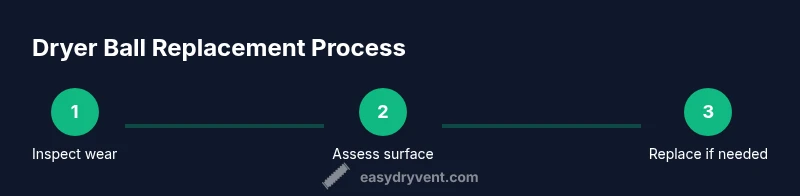
If wear is evident or performance declines, replace worn balls or rotate them with newer ones to restore effectiveness.
Tip: Consider replacing all balls if wear is systemic to avoid uneven drying. - 6
Document and maintain
Log the inspection date and observed wear. Establish a routine to inspect every few loads and rotate replacements as needed.
Tip: A simple calendar reminder helps keep your maintenance consistent.
Common Questions
What are dryer balls and what do they do?
Dryer balls separate fabrics, improve airflow, and reduce drying time. They can soften fabrics naturally without added chemicals. Wear indicators help you decide when to replace them.
Dryer balls separate clothes and help them dry faster. If they look worn or perform poorly, it’s time to replace them.
How long should wool dryer balls last?
Wool dryer balls wear gradually with use. Replace them when you notice thinning fibers, pilling, or reduced performance, rather than relying on a calendar date.
Wool dryer balls wear over time; replace when you see thinning fibers or poorer drying results.
What are common signs of wear?
Common signs include thinning surfaces, cracks, loss of bounce, unusual noises, and increased lint on fabrics. These indicate that replacement is due.
Look for thinning surfaces, cracks, and less bounce to know when to replace.
Can I reuse broken balls after trimming?
It’s best to retire worn or cracked balls. Reusing damaged balls can reduce drying efficiency and risk lint or debris in clothes.
If a ball is cracking or visibly worn, replace it instead of trying to reuse it.
How should I dispose of worn dryer balls?
Compostable wool balls can be composted if they are pure wool. Plastic or synthetic balls should be recycled or disposed of with regular trash per local guidelines.
Recycle or dispose of worn balls according to local guidelines; compost wool if possible.
Watch Video
Key Points
- Inspect for surface wear before each replacement decision.
- Different materials wear differently; tailor your checks accordingly.
- Test tumble performance to confirm efficiency changes.
- Rotate or replace balls to maintain drying performance.