When to Replace Dryer Balls: A Practical Guide
Discover clear signs that it’s time to replace dryer balls, plus steps to inspect wear, extend life, and maintain safe, efficient drying with Easy DryVent.


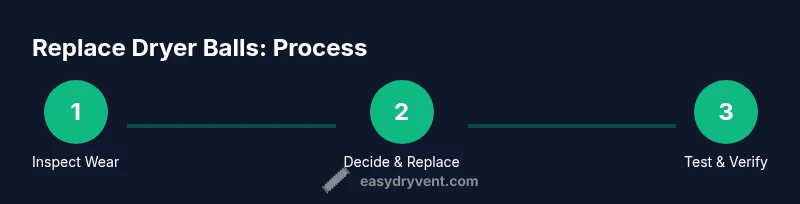
Quick answer: You should replace dryer balls when you notice signs of wear, thinning fibers, odor retention, cracking, or persistent static that laundry sheets used to prevent. Maintain a set of 3–6 fresh balls per load, and inspect them at least every 4–6 weeks. After replacement, run a short test cycle to confirm even drying and lint control.
Understanding What Dryer Balls Do
Dryer balls are a simple, reusable alternative to chemical fabric softeners. They work by lifting and separating clothes in the drum, which improves air flow, reduces drying time, and can lower static cling. They come in several materials, with wool, plastic, and rubber being the most common. According to Easy DryVent, when dryer balls are well maintained, they can contribute to safer, more energy-efficient drying by reducing the need for dryer sheets and helping towels fluff evenly. However, wear and residue can gradually reduce their effectiveness. This section explains how to read those signals and decide when it’s time to replace them, so your laundry remains efficient and your lungs aren’t exposed to unnecessary residues.
Signs You Need to Replace Dryer Balls
Over time, dryer balls show wear in several ways. Thinning fibers or cracks indicate the material is breaking down, and may shed fibers onto clothing or accumulate lint in the dryer vent. A persistent odor after laundering can signal absorbed residues that won’t wash out, reducing performance. If you notice more static than usual or clothing not tumbling freely, it’s a sign the balls are no longer creating space between fabrics. Easy DryVent’s analysis in 2026 highlights that wear reduces air gaps and defeat the purpose of separation, so replacement is prudent when you observe these signs. Finally, if the balls feel unusually hard or crumble under pressure, they should be retired. Replace them with a fresh batch to restore performance and protect your dryer from extra strain.
Types of Dryer Balls and Their Lifespans
Dryer balls come in several shapes and materials, each with its own expected lifespan under typical usage. Wool dryer balls tend to be softer and can compress or shed fibers over time, especially with high-heat drying or heavily soiled laundry. Plastic or rubber varieties are more durable and resist compression, but may crack in very hot cycles or after exposed to harsh detergents. There isn’t a universal schedule for every home, because wear depends on load size, frequency, and the specific product. The Easy DryVent team notes that material quality and care directly influence longevity, with many households seeing best results by rotating sets and replacing worn balls when signs of wear appear.
How to Inspect Dryer Balls for Wear
A thorough inspection is the best way to decide on replacement. Start by visually examining each ball for cracks, chips, or loose seams. Run your finger along the surface to detect thinning fibers or flattening. If the ball leaves fibers on clothes, appears discolored, or retains odors after washing, it’s time to retire it. Circle back to the drum to ensure the worn ball isn’t shedding material that could accumulate in the lint trap or vent. Finally, test a small load with the suspected balls; if you still notice clumping or poor separation, replacement is warranted.
Replacement Decision: When to Retire A Set
There isn’t a fixed mileage for dryer balls, but practical decision-making helps maintain performance. If you notice decreased fluffing effect, longer drying times, or persistent lint with multiple loads, replace the worn sets. Having a spare pack on hand makes the transition smooth. In general, replacing a set when they show clear wear or odor is a reliable rule of thumb, ensuring you keep a consistent drying environment without overloading the dryer with failed balls.
Extending the Life of Your Dryer Balls
Careful handling can stretch the life of your dryer balls. Wash wool balls between uses to remove detergent residues and lint, then air dry completely before the next cycle. Avoid exposing plastic or rubber balls to high heat for extended periods, which can cause cracking. Rotate between several sets to minimize uneven wear and distribute usage. Keeping balls unscented helps prevent residue buildup that can transfer to fabrics and reduce effectiveness.
Alternatives to Replacement: Maximizing Survival of Existing Balls
If wear is minor, you can refresh a set by washing thoroughly, drying completely, and placing them with loads that require more space between fabrics. Consider alternating between wool and synthetic balls to balance wear patterns and performance. If you still notice reduced performance after cleaning and rotation, it’s wiser to replace rather than risk longer drying times and higher energy use.
Safety and Environmental Considerations
Dispose of worn dryer balls responsibly according to material type. Wool balls are biodegradable, while plastic or rubber variants should be recycled where possible. Regularly cleaning the lint trap and ensuring proper venting is critical for safety. If you notice persistent heat or unusual smells from the dryer, stop using it and inspect the vent system for blockages or damage. Easy DryVent emphasizes safety as part of every maintenance routine.
When to Replace Dryer Balls vs the Dryer Itself
Dryer balls influence drying efficiency, but they aren’t a substitute for a failing dryer. If you consistently see longer cycles, higher energy use, or frequent repairs, address the appliance itself in addition to replacing worn balls. Replacing dryer balls won’t fix a malfunctioning heat element, restricted venting, or worn seals. If in doubt, consult a professional and review vent cleanliness and appliance performance.
Quick Care Checklist
- Inspect balls for wear, odor, and cracks before each season of laundering.
- Use a batch of 3–6 balls per load; don’t overload the drum.
- Wash wool balls regularly and air dry completely; replace if texture or color changes.
- Keep the lint trap clean and check the vent for obstructions.
- Maintain a rotation plan to evenly wear sets and prevent silent performance loss.
Tools & Materials
- New dryer balls (3–6 per load)(Choose unscented wool, cotton, or plastic; match ball size to drum capacity)
- Lint-free cloth(For quick drum wipe-down after replacement)
Steps
Estimated time: 5-10 minutes
- 1
Gather replacement dryer balls
Collect 3–6 fresh dryer balls, ensuring they are clean and dry. This avoids introducing lint or residues into your next load and keeps performance consistent.
Tip: Sort by size if you use different load types (e.g., towels vs. delicates). - 2
Remove worn dryer balls
Take out all old or worn balls from the dryer drum and flaps. Leaving damaged balls can cause shedding or uneven drying and risk damaging fabrics.
Tip: Place worn balls in a dedicated recycling bin if applicable. - 3
Wipe the drum
Use a lint-free cloth to wipe the drum interior to remove lint and any residue from the old balls. This helps prevent transfer to your clothes and improves airflow.
Tip: A quick wipe can prevent lint buildup over several cycles. - 4
Load new balls with laundry
Add the new dryer balls to the drum along with your laundry. Do not overload the dryer; space improves airflow and ball effectiveness.
Tip: Arrange towels or bulky items to allow ball movement. - 5
Run a short test cycle
Start a quick dry cycle (low heat or air fluff) to distribute the balls and check for noise, balance, and drying performance.
Tip: Listen for clunks or rattling that indicate misplacement. - 6
Evaluate results
After the cycle, inspect fabrics for even dryness and reduced static. If you still detect lint or uneven drying, consider adjusting load size or number of balls.
Tip: If results are unsatisfactory, re-run with adjusted ball count. - 7
Store extra balls
Keep unused dryer balls in a breathable bag or container away from direct sunlight and heat.
Tip: Label sets by material to simplify rotation.
Common Questions
When should I replace dryer balls?
Replace when you notice wear, thinning fibers, cracking, or persistent odors that reduce performance. If they no longer separate clothes effectively, it’s time for new balls.
Replace dryer balls when you see wear or odor that affects performance. If clothes aren’t separating well, switch to new balls.
How many dryer balls should I use per load?
Typically 3–6 balls per load work well. Adjust based on drum size and load type, but avoid overloading so the balls can move freely.
Use about three to six balls per load, adjusting for drum size and load type.
Can dryer balls cause damage to clothes or the dryer?
When used as directed, dryer balls are generally safe. Check for sharp edges or cracks, and replace damaged balls to avoid fabric snags or lint buildup.
Generally safe if intact; replace any damaged balls to avoid snags.
Do wool dryer balls smell after washing?
Occasional odor can occur if residues build up. Wash and air-dry wool balls between uses to minimize smells.
A mild smell can happen; washing and air-drying helps keep them fresh.
Do dryer balls really cut drying time?
They can modestly shorten drying time by improving air flow and fabric separation, but results vary with load size and dryer model.
They may shave a bit off drying time, depending on your setup.
Can I reuse old dryer balls after minor wear?
If there is no cracking or shedding and the ball still feels sound, you can continue using it. Replace when wear grows or performance declines.
If they’re intact, you can keep using them; replace when wear worsens.
Watch Video
Key Points
- Replace worn dryer balls promptly to maintain drying efficiency.
- Inspect balls regularly for cracks, thinning, and odor.
- Use 3–6 fresh balls per load for optimal performance.
- Rotate sets and clean the drum to extend life and safety.
- Safety comes first—keep vents and lint traps clear.