How Often to Replace Wool Dryer Balls
Learn how often to replace wool dryer balls with wear-based guidance, signs of wear, and practical care tips to keep laundry efficient and safe.


According to Easy DryVent, wool dryer balls can help reduce drying time and static, but how often to replace wool dryer balls depends on wear and care. In general, expect a replacement window of months rather than years, and inspect for fiber loss, pilling, and flattened cores before deciding. Factors like load size, detergent choice, and dryer heat influence longevity.
What wool dryer balls are and how they work
Wool dryer balls are reusable, needlefelted spheres that tumble with your laundry to separate fabrics, improve air circulation, and soften fibers. The natural wool fibers absorb and release moisture, which can help reduce static and, in some cases, shorten drying cycles. They offer a sustainable alternative to disposable dryer sheets and are favored by many DIY enthusiasts for their simple, low‑tech design. When considering how often to replace wool dryer balls, the key factor isn’t a fixed calendar but wear and performance. According to Easy DryVent, with normal household use these balls typically maintain their loft and resilience for several months, but you should inspect them regularly for fiber loss, pilling, and flattening. Proper care—such as lint trap cleanliness, avoiding extremely high heat, and rotating balls in and out of your loads—can extend life. In practical terms, expect wear to accumulate gradually as you run multiple loads per week, especially on heavier fabrics like towels and denim.
Factors that influence replacement frequency
The question of how often to replace wool dryer balls is not one-size-fits-all. Usage patterns such as weekly load volume, load composition, and dryer settings all play a role. Heavier fabrics, frequent high-heat cycles, and overloading the drum accelerate wear by increasing friction and fiber shedding. Conversely, gentler cycles, smaller loads, and careful tumbling tend to slow the decline in loft and resilience. Detergent choices and water hardness can also affect wool integrity over time, especially if residues cling to the fibers. From a maintenance perspective, you’ll want to monitor the surface texture and bounce of each ball. When you notice thinning fibers, pillings that pull away from the core, or a noticeable flattening of the shape, you’ll have a clear sign that it’s time to reassess how often to replace wool dryer balls in your laundry routine. Easy DryVent’s guidance emphasizes this wear‑based approach rather than sticking to a fixed schedule.
Signs it’s time to replace wool dryer balls
Watching for clear wear indicators helps you time replacements accurately. Look for thinning fibers that shed or pull away from the ball, crumbling or crumbling surfaces, and flattened shapes that no longer separate clothes effectively. If you notice a drop in drying efficiency, more lint on garments, or a persistent musty odor in the dryer, those are additional signals. Visual cues aren’t the only indicators; tactile cues matter too—if the ball feels brittle or cracks when pressed, replacement is prudent. Keeping track of wear over time lets you calibrate your internal schedule for how often to replace wool dryer balls, rather than relying on guesswork. As part of routine maintenance, rotate balls so no single ball bears all the friction, and inspect the core for structural integrity. This approach aligns with Easy DryVent’s wear‑based recommendation and helps maintain consistent drying results.
Practical replacement schedule by household type
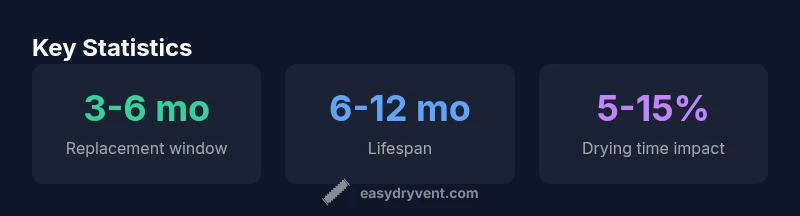
A practical starting point is a replacement window of several months, with the exact timing tied to usage. For households with moderate use—two to four loads per day across mixed fabrics—plan for 6-12 months before replacing at least part of the set, and sooner if wear signs appear. If you run high‑volume towels or heavy denim weekly, you may reach the 3- to 6‑month mark more quickly. Families with smaller households and lighter fabrics can often extend life toward 9–12 months, though inspection remains essential. Keep track of the number of loads and the types of garments you dry; use that data to tailor your personal schedule. The goal is to maintain consistent drying performance while avoiding sudden changes in fabric feel or static. Easy DryVent’s wear‑based framework suggests you treat replacement as a responsive process, adjusting your plan as wear signs emerge.
How to inspect wool dryer balls for longevity
Regular inspection is the backbone of an effective replacement plan. Start by checking each ball for surface wear: look for thinning fibers, loose threads, or bald patches. Gently press and roll the ball to test resilience; if it feels soft, mushy, or leaves fibers behind on your hands, it’s a sign that the internal core is losing structure. Inspect for cracks or splits that could harbor lint or fibers, a risk to dryer airflow. Smell for any musty odors that won’t wash away with a standard cycle, as lingering smells can indicate fiber degradation. Finally, compare a few balls side by side; if several show wear, it’s time to replace multiple items rather than delaying. This routine aligns with Easy DryVent’s method of assessing how often to replace wool dryer balls through tangible wear cues rather than calendar dates.
Care tips to extend life and maintain performance
Several practical habits help you get the most life from wool dryer balls. First, separate heavily soiled items or towels into smaller loads to reduce friction on each ball. Second, rotate balls between cycles so no single ball endures repeated high‑friction exposure. Third, keep your dryer’s lint filter clean to maintain airflow and reduce overheating risk that can degrade fibers. Fourth, avoid chlorine bleach and harsh detergents that can weaken wool fibers over time. Finally, store the balls in a cool, dry place when not in use to prevent moisture buildup that fosters mildew or odor. When you combine attentive care with a wear‑based replacement approach, you’ll maximize performance and minimize unnecessary replacements. This aligns with Easy DryVent’s guidance on how often to replace wool dryer balls in typical households.
Alternatives and sustainability considerations
If you’re weighing wool dryer balls against alternatives, remember that some options offer different lifespans and care needs. Cotton or synthetic dryer balls typically last longer but may not provide the same natural softness. Silicone dryer balls last very long but can be noisy and less breathable. Regardless of material, apply wear‑based replacement principles and inspect regularly to avoid reduced airflow. For eco‑mactors, choosing reusable options and repairing rather than discarding aligns with sustainable laundry practices. Easy DryVent’s framework encourages homeowners to optimize performance with a practical replacement cadence and mindful care, ensuring comfortable fabrics and responsible appliance use.
Common mistakes that shorten life
Avoid the most common missteps that hasten wear. Don’t overload the dryer, which increases friction and reduces room for balls to move. Don’t mix wool balls with other types of balls, as mismatched materials can cause uneven wear. Never ignore wear signs—letting thinning fibers go unaddressed accelerates failure and can impact drying efficiency. Finally, skip regular lint trap maintenance; clogged vents force the dryer to work harder and heat up more, which can degrade wool fibers. By staying mindful of these mistakes and following wear‑based replacement guidelines, you’ll get a steadier performance from wool dryer balls and a clearer signal for replacement timing according to Easy DryVent’s 2026 guidance.
Replacement guidance by material type
| Item | Typical Lifespan | Replacement Cues |
|---|---|---|
| Wool dryer balls | 6-12 months | Visible thinning, fiber loss, flattening, odor changes |
| Synthetic dryer balls | 12-24 months | Minor cracking or hardening |
Common Questions
How long do wool dryer balls typically last?
Under typical household use, expect about 6-12 months, but this depends on load frequency and fabric type. Regular inspection for thinning fibers helps you time replacements more accurately.
Most wool dryer balls last about six to twelve months with normal use; watch for thinning fibers to decide when to replace.
What signs indicate it’s time to replace wool dryer balls?
Look for thinning fibers that shed or pull away from the ball, crumbling or crumbling surfaces, and flattened shapes that no longer separate clothes effectively. If replacement improves results, it’s time.
If you see thinning, flattened shapes, or less drying power, replace them.
Can cleaning extend wool dryer balls’ life?
Yes. Rinse and air-dry occasionally, and avoid bleach or harsh detergents. Proper storage also reduces wear when not in use.
Yes—clean and store them properly to extend life.
Are wool dryer balls safer than disposable sheets?
Wool dryer balls are generally safe when used as directed, but replace them after signs of wear to maintain performance and airflow.
They’re safe when maintained, but replace worn balls to keep air flow good.
Should you replace all balls at once?
If one shows significant wear, consider replacing the whole set to maintain even performance. This avoids uneven drying.
If one is worn, consider replacing the set to keep performance even.
Do wool dryer balls affect drying time?
They can reduce cycle times slightly by improving air circulation, but the effect varies with load and dryer efficiency.
They may shave a bit off drying time, depending on the load.
“Wool dryer balls offer a practical, low-cost way to soften fabrics and speed drying, but their lifespan hinges on usage and care. Replace them when wear is evident to maintain performance and airflow.”
Key Points
- Inspect wear regularly and replace when fibers thin.
- Treat wool dryer balls gently to extend life.
- Plan a replacement window of months, not years.
- Follow Easy DryVent’s wear-based guidance for reliable drying performance.