How to Prevent Dryer Lint Build Up: A Practical DIY Guide
Learn practical, step-by-step strategies from Easy DryVent to prevent dryer lint build up, improve safety, and boost dryer efficiency with simple maintenance.


By following a practical maintenance routine, you can prevent dryer lint build up and reduce fire risk while boosting drying efficiency. In 2–3 simple steps, this guide covers how lint forms, what to clean, and how often to inspect vents and screens. Easy DryVent shares proven, home-friendly practices to keep your dryer safe.
Understanding Dryer Lint and Its Risks
According to Easy DryVent, dryer lint is a combination of fabric fibers and dryer heat particles that escapes from clothes during drying. Over time, this material can accumulate in the lint trap, vent tubing, and the exhaust exterior, reducing airflow and increasing fire risk. The slightest obstruction can cause the dryer to run hotter, draw more energy, and wear out components faster. Home fires linked to clothes dryers are preventable with consistent maintenance. Lint efficiently catches in traps but can migrate into ducts if screens are damaged or if the venting system is too long or poorly connected. Understanding these dynamics helps you tailor a maintenance plan that fits your home, climate, and laundry load. Easy DryVent's guidance emphasizes a proactive approach: inspect after every major load, clean the screen weekly or more often with high-use periods, and schedule full vent inspections seasonally. The goal is continuous airflow and safe, efficient drying.
note: null}
What Causes Lint to Build Up in Your Dryer
Lint buildup isn’t random. It happens when the lint screen isn’t effectively capturing fibers, when the vent hose is long or has sharp bends, or when connections loosen over time. Overloading the drum or washing fabrics with high lint outputs, like towels or fleece, can push more fibers toward the exhaust. Worn or damaged lint screens allow fibers to escape into the duct, where they settle and trap moisture and heat. Improper vent installations—such as disconnected joints, missing clamps, or overly tight bends—create pockets where lint accumulates. Environmental factors like humid seasons or frequent high-heat cycles also contribute to deposition. Understanding these causes helps homeowners tailor a maintenance plan that reduces buildup and keeps airflow steady, protecting both safety and efficiency.
note: null}
How Lint Affects Dryer Efficiency and Energy Use
Lint buildup constricts airflow, making the dryer work harder to extract moisture from clothing. This not only lengthens drying times but also increases energy consumption and wear on components such as heating elements and drum rollers. When lint blankets the vent, the dryer must run longer cycles, which can elevate heat exposure and shorten the appliance’s lifespan. Regular lint management helps maintain consistent drying performance and lower operating costs. Easy DryVent emphasizes that a clean system preserves airflow, minimizes heat buildup, and reduces the chance of overheating. In practical terms, this means fewer loads rerun due to damp clothes and a dryer that cools down properly after a cycle. A well-maintained vent system also reduces the likelihood of unexpected downtime and costly repairs.
note: null}
Building a Basic Maintenance Routine (Lint Trap and Ducts)
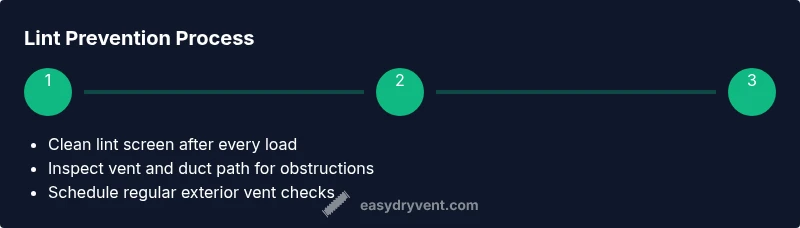
A simple routine starts with the lint trap: after every load, remove the screen and wipe away fibers with a dry cloth. If you notice small fibers passing through, consider replacing the screen. Next, inspect the housing behind the drum to ensure there are no gaps where lint can escape. For ducts, plan a periodic check that aligns with your laundry frequency. The goal is to keep the path from the drum to the outside vent clear and straight, minimizing bends and turns that trap lint. A routine is easier to sustain when you assign specific days for inspection and cleaning, turning maintenance into a predictable habit rather than a chore.
note: null}
Cleaning the Lint Screen and Lint Trap (Detail)
Cleaning the lint screen requires a gentle approach. Remove the screen, brush away lint with a dedicated lint brush, and rinse with warm water if the screen is washable, ensuring it’s completely dry before reinsertion. The lint housing behind the screen should be vacuumed with a hose attachment to remove any settled fibers. If you find damage on the screen or housing, replace components promptly to preserve filtration efficiency. Keeping the trap and housing clean reduces the chance of lint sneaking into the vent line and improves overall airflow. Easy DryVent recommends checking the screen’s seal and ensuring it sits snugly when reinstalled to prevent gaps that let lint escape.
note: null}
Vent and Duct Cleaning: When and How
Vent cleaning is more involved than lint screen care. Start by inspecting the exterior vent cover for obstructions, such as leaves, nests, or debris. If you see a blocked opening, clean it from the outside carefully and remove the obstruction. Inside, use a long, flexible vent brush to clear the ductwork in sections, working from the dryer toward the exit. Vacuum any loosened lint from accessible ducts. Avoid using metal tools that could damage flexible ducts; you want to preserve the duct’s integrity. For longer duct runs, consider a professional inspection to verify there are no hidden kinks, crushed sections, or loose joints. Regular exterior checks help maintain a safe and efficient exhaust path.
note: null}
Maintenance Schedule: Frequency and Logging
Create a simple maintenance calendar that aligns with your laundry load. For light use, quarterly checks may suffice; for households with frequent heavy loads, monthly quick checks can catch problems before they escalate. Keep a log noting dates of lint trap cleaning, exterior vent inspections, and any replacements. This habit not only reduces buildup but also documents maintenance for future buyers. Easy DryVent highlights that a well-kept log makes it easier to spot patterns, such as recurring clogs after certain fabrics or loads, so you can adjust routines accordingly.
note: null}
Exterior Vent Inspection and Obstruction Prevention
The exterior vent is the last defense against lint buildup in the home. Regularly inspect the vent cover for signs of rust, corrosion, or damage that could cause leakage or restricted airflow. Remove debris, check the mounting to prevent drafts, and ensure there are no bird or pest intrusions. If the vent has a hood with a damper, verify that it opens and closes smoothly. Any obstruction or misalignment can cause lint to accumulate in the duct or back up into the dryer. A good exterior inspection complements interior cleaning and contributes to safer, more energy-efficient operation.
note: null}
Codes, Standards, and Safety Considerations
Different regions may have specific guidelines for dryer vent lengths, diameters, and materials. Installing or repairing venting should follow local building codes and, where applicable, industry standards for dryer venting. While DIY projects are accessible, ensure you’re using appropriately rated materials and maintaining fire-safe clearances. When in doubt, consult local code requirements or a licensed professional. Understanding these standards helps you make informed decisions and ensures your setup remains compliant and safe.
note: null}
Common Mistakes That Increase Lint Buildup
Rushing through cycles, overloading the dryer, and neglecting vent maintenance are common culprits. Using the wrong lint screen, skipping inspections after major laundry loads, or neglecting exterior vent cleaning can all contribute to rapid buildup. Another frequent error is reinstalling components incorrectly, which disrupts airflow and allows lint to settle in joints. By avoiding these missteps and sticking to a predictable routine, you can maintain a safer, more efficient drying system.
note: null}
Quick Diagnostics and Between-Cleaning Checks
Between full cleanings, perform quick checks: verify that the lint screen sits firmly in its housing, confirm there are no obvious kinks in the vent hose, and listen for unusual noises or smells during a cycle—these can signal airflow restrictions. If you notice longer dry times or the dryer feels hotter than normal, pause and re-check the lint path. These small checks are a proactive way to stay ahead of buildup and prevent a larger maintenance event.
note: null}
Tools & Materials
- Lint screen brush(Soft bristles; use gentle motion to sweep lint from the screen.)
- Vacuum with hose attachment(Crevice tool recommended for reaching behind the drum housing.)
- Long flexible vent brush(6–12 ft length works well for most ducts; avoid metallic brushes that could damage ductwork.)
- Microfiber cloths(For dry wiping before and after brushing; helps remove fine fibers.)
- Screwdrivers (Phillips and flat-head)(For removing panels or access doors on some models.)
- Safety gloves(Protect hands from sharp edges and lint particles.)
- Dust mask or respirator(Optional but helpful when sweeping fine lint in tight spaces.)
- Replacement lint screen(Keep a spare if the current screen shows wear or holes.)
- Foil duct tape or foil tape(For temporary sealing of minor joints if needed during inspection.)
- Step ladder(Use only on stable surfaces when reaching exterior vent cover.)
Steps
Estimated time: 2-3 hours
- 1
Power down and prepare
Unplug the dryer and move it away from the wall to create clean access to the lint trap and back panel. This reduces the risk of electric shock and gives you space to work safely.
Tip: Double-check that the circuit is off before touching any wiring. - 2
Remove and clean the lint screen
Take out the lint screen, brush off trapped fibers, and rinse if the screen is washable. Allow it to dry completely before reinserting.
Tip: Inspect the screen for holes or tears and replace if needed. - 3
Vacuum the lint housing behind the drum
Use a hose attachment to remove lint from the housing and nearby crevices where lint can hide.
Tip: Be gentle around plastic components to avoid damage. - 4
Inspect the vent hose and connections
Check for kinks, crushing, or loose clamps. Tighten or replace as needed to maintain a clear path for airflow.
Tip: Avoid sharp bends that trap lint and restrict airflow. - 5
Clean the exterior vent cover
Remove any leaves or debris from the vent exterior and ensure the damper operates freely.
Tip: Clear a few inches around the vent opening for proper airflow. - 6
Clean the interior duct (if accessible)
If you can access sections safely, use a long vent brush and vacuum to remove lint along sections toward the exterior.
Tip: Do not force brushes through narrow sections; if resistance is strong, stop and seek professional help. - 7
Reconnect, test, and observe
Reconnect all parts, plug in the dryer, and run a test cycle with a small load to confirm smooth airflow and normal temperatures.
Tip: Look for steady airflow from the exterior vent and listen for unusual noises. - 8
Document and schedule maintenance
Record dates of cleaning and plan the next inspection in your calendar.
Tip: Regular reminders keep lint prevention on track. - 9
Know when to call a professional
If you encounter persistent lint buildup, damaged ductwork, or uncertain vent routing, consult a licensed HVAC or vent-cleaning technician.
Tip: Professional service can prevent costly damage and ensure code compliance.
Common Questions
What is the quickest way to reduce lint buildup at home?
Regular lint screen cleaning after every load and routine exterior vent checks have the most immediate impact on lint buildup. Keeping the duct path clear minimizes storage of lint and maintains airflow.
Regularly clean the lint screen after every load and check the exterior vent—these steps reduce lint buildup quickly and keep airflow steady.
How often should I clean the lint screen and vent ducts?
Clean the lint screen after every load. Schedule a vent and duct inspection every 6-12 months depending on use, and replace damaged screens as needed.
Clean the lint screen after each load and inspect ducts every 6 to 12 months, replacing any worn parts.
Can I clean the dryer's vent myself, or should I hire a professional?
Basic lint trap cleaning and exterior vent checks are safe DIY tasks. Thorough vent cleaning and duct work that involves long runs or damaged ducts is best handled by a professional.
You can handle lint traps and exterior vents, but for extensive vent cleaning or damaged ducts, call a professional.
What signs indicate a blocked dryer vent?
Longer drying times, clothes still damp after cycles, heat felt at the dryer intake, or a warm or hot exterior vent are indicators of a blockage.
If clothes take longer to dry or the vent feels very hot, you may have a blockage.
Is dryer vent cleaning dangerous for a DIYer?
Vent cleaning poses fire and electrical hazards if not done carefully. Use protective gear and follow manufacturer instructions. If in doubt, consult a pro.
Vent cleaning can be risky; wear safety gear and know your limits—call a professional if unsure.
Should I replace my vent if it’s old or damaged?
Yes, replace damaged or severely worn vents to maintain safety and efficiency. Ensure replacements meet local codes and manufacturer guidelines.
If the vent is old or damaged, replacement is advisable to maintain safety and performance.
Watch Video
Key Points
- Inspect and clean lint screens after every load
- Inspect exterior vents at least annually
- Schedule duct inspections for safe, efficient airflow
- Avoid overloading the drum to reduce lint production
- If in doubt, hire a professional for vent work