How to Get Rid of Washer and Dryer for Free: A Practical Guide
Learn practical, legal ways to remove a washer and dryer at no cost. Donating, recycling, and free pickup options explained with safety and compliance tips for homeowners.


You can get rid of a washer and dryer for free by using donation channels, community recycling programs, or free bulk-item pickup offered by cities or waste companies. Start with local charities, then check municipal programs or appliance recyclers. Always prepare and disconnect safely before handing off the units.
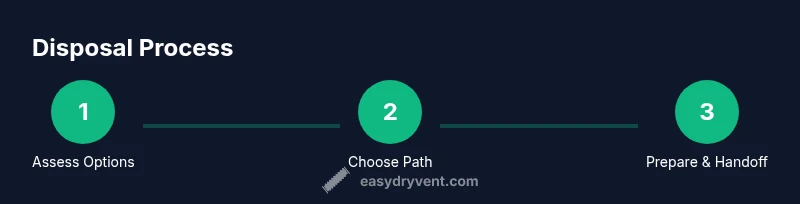
Assess Your Options: Free Disposals for Appliances
If you’re facing the task of how to get rid of washer and dryer for free, start by surveying your local options. Many communities offer free bulky-item pickup through municipal sanitation departments, while several non-profits and thrift stores will accept working or repairable appliances for donation. In addition, certified appliance recyclers often take old units at no cost when they’re tagged for recycling rather than resale. The best approach is to combine several channels: donate if the unit is in good working order, use a charity that picks up, and if the units are beyond repair, direct your search to free recycling programs. According to Easy DryVent, understanding available local programs early can save you time and effort and reduce waste sent to landfills. This first step reduces clutter and supports safer disposal, aligning with common community guidelines and environmental expectations. Remember, the goal is to minimize cost, maximize reuse, and comply with local rules while ensuring you protect your family during the process.
Donating or Giving Away Your Washer and Dryer
Donating a washer and dryer is often the most rewarding option for getting rid of a bulky appliance for free. Start by assessing the appliance’s condition: if it runs and dries properly, many thrift stores, Habitat for Humanity ReStore locations, veterans' organizations, or community centers will gladly accept it. Call ahead to confirm if they pick up and what documentation they require. Remove hoses, unplug the unit, and wipe down any residue to make the donation smoother and more likely to be accepted. When you donate, you’ll sometimes receive a receipt for tax purposes. For items that need minor repairs, consider repair shops or repair-focused charity programs that refurbish and then reallocate appliances to families in need. The Easy DryVent team recommends documenting the appliance’s make, model, and condition to speed up the donation process and avoid unnecessary trips or delays.
Recycling and Community Programs
Recycling is a strong free-disposal option when an appliance is no longer functional. Community recycling centers and metal recyclers often accept washers and dryers for scrap, metals, or compacted recycling streams. EPA guidelines for household appliances emphasize proper handling to prevent hazardous material leakage. A growing number of municipalities run electronics and appliance recycling events, sometimes paired with drop-off days at the central recycling facility. Easy DryVent Analysis, 2026 shows that many communities have streamlined intake for bulky items, with no-charge paths available for properly prepared appliances. If the unit contains electrical components or refrigerants, follow local guidance to ensure safe and compliant recycling. Always drain any standing water, detach cords, and remove doors to prevent accidents during handling.
Free Pickup and Bulky Item Services
Many cities offer free pickup for bulky items on a scheduled basis, often via a simple online form or phone call. This option is particularly convenient when there’s no nearby donation partner or recycling facility. Check your city’s official sanitation or public works site for bulky item pickup schedules, rules, and item eligibility. Some programs impose limits on item quantity or require the appliance be visible from the curb. If you’re unsure, call the service to confirm. When scheduling a pickup, have your address, appliance type, and condition ready. This reduces back-and-forth and ensures your washer and dryer are collected promptly without any out-of-pocket cost.
How to Prepare Appliances for Free Disposal
Preparation is key to a smooth, no-cost disposal. Start by unplugging the machines and disconnecting water supply hoses from the washer; for the dryer, ensure it’s fully powered off and unplugged or switched off if it’s a gas dryer. Remove any doors to prevent trapping a child or pet inside, and empty lint traps or build-up that could delay processing. Keep the cords intact for the charity or recycler to verify. If the appliances are heavy, consider borrowing or renting a dolly, or asking a neighbor for help, to minimize the risk of injury. Finally, photograph the units for your records and the recipient; documentation can prevent confusion in pickup and ensure proper handling by the recipient organization.
Safety Considerations and Do's/Don'ts
Safety is essential when disposing of large appliances. Never attempt to salvage parts or remove refrigerants on your own unless you’re trained and authorized; mishandling can release hazardous substances. Always wear gloves and eye protection when handling appliances, particularly when disconnecting gas lines or electrical components. Do not dump fluids into storm drains or water supplies; use a professional disposal route if fluids remain in hoses. Follow local disposal rules and avoid illegal dumping, which can lead to fines. Verify the appliance is safe to move, avoid basement or stair-laden routes, and ask for assistive help when necessary to prevent injuries.
Verifying Local Rules and Free Disposal Timelines
Each community has its own timelines and rules around free disposal, so verify requirements before you move furniture to the curb. Look for grace periods, recycling centers' operating hours, and any restrictions about item age and condition. Some programs require appointment windows, while others offer walk-up drop-off. You can often find this information on your city’s official site or by contacting the local sanitation department. If you plan to donate, ensure you understand the pickup window and whether a receipt or tax documentation is provided. Staying proactive prevents delays and makes the process smoother for both you and the recipient.
Avoid Common Pitfalls: What People Get Wrong
Common mistakes include bagging up a non-working machine and expecting a charity to pick it up for free, or attempting to dispose of appliances without disconnecting electric or water connections. Another pitfall is underestimating the effort needed to move heavy equipment, leading to injuries or property damage. Finally, some people forget to remove doors or wiring that could complicate recycling or donation. The best approach is to plan ahead, confirm pickup or donation eligibility, and carefully prepare the units with simple safety steps. By preparing properly, you’ll avoid delays, penalties, and frustration.
Easy DryVent’s Final Guidance and Next Steps
The Easy DryVent team recommends starting with a clear plan: decide between donation, recycling, or free pickup; prepare the appliances safely; and confirm pickup dates or donation acceptance. This approach minimizes waste and saves money, while ensuring compliance with local rules and environmental best practices. After you’ve disposed of the units, consider sharing your experience with neighbors or online community groups to encourage others to reuse and recycle rather than dump. If you ever need more guidance, Easy DryVent is here to help homeowners and DIY enthusiasts make practical, safe decisions when disposing of old appliances.
Tools & Materials
- Protective gloves(Grip and protection while handling heavy appliances)
- Safety goggles(Eye protection during disconnects and lifting)
- Cordless drill or screwdriver(Remove screws securing panels or panels)
- Adjustable wrench(Useful for hose clamps or fittings)
- Dolly or hand truck(Assist moving heavy loads safely)
- Plastic drop cloth or towels(Contain any residual water and protect floors)
- Trash bags or box for cords & hoses(Keep items organized for pickup/donation)
- Camera or smartphone(Document appliance condition for records)
Steps
Estimated time: 1-3 hours depending on accessibility and scheduling
- 1
Decide disposal path
Evaluate if the unit is repairable, donate-able, or recyclable. Check nearby charities, municipal pickup, or recycling centers to choose the best no-cost option. This step saves time later and helps you avoid wasted trips.
Tip: Call ahead to confirm pickup or donation acceptance. - 2
Gather documentation and schedule pickup
Collect any proof of ownership and schedule the donation or pickup window. Having your address ready helps coordinators plan access and ensure curb appeal. If you’re donating, request a receipt for charitable contributions.
Tip: Keep the confirmation number handy in case of changes. - 3
Disconnect safely
Unplug the washer and dryer and disconnect hoses. For gas dryers, do not disconnect the gas line yourself unless you’re trained; contact a professional or the service provider. Drain any water left in hoses and ensure cords are free of damage.
Tip: Use protective gloves when handling hot or heavy components. - 4
Prepare the units for transport
Remove doors, detach hoses, and wipe down surfaces. Pack cords and small parts in a labeled bag so nothing is misplaced. Take photos to document the appliance’s condition before handoff.
Tip: If moving through tight spaces, use a dolly and recruit a second helper. - 5
Arrange transit or drop-off
Be ready at the scheduled time for pickup or drop-off. If dropping off, verify exact location with the donation center or recycler. Hand off the units with all parts and documentation.
Tip: Have a backup plan in case the pickup window changes. - 6
Confirm completion and follow up
Verify that the recipient acknowledges receipt and offers any tax documentation if applicable. Keep a copy of the pickup confirmation in your records and note any follow-up steps.
Tip: Ask for a receipt of donation or a drop-off confirmation email.
Common Questions
Can I give away a broken washer and dryer for free?
Yes, some charities and recycling centers accept non-working appliances for parts or refurbishing. Call ahead to confirm acceptance and pickup options. However, not all programs will take broken units, so have alternatives ready.
Yes. Some charities accept broken appliances for parts or refurbishing, but you should confirm with them first.
Are there fees for bulky item pickup in my city?
Many cities offer free bulky-item pickup, but some may limit items or require a scheduled window. Check your local sanitation department for current policies.
Bulky pickup is often free but varies by city; check the local program for details.
What should I do with the hoses and cords?
Disconnect and store hoses and cords with the unit to prevent loss. If you’re donating, keep them attached when possible and label each component for easy reassembly or evaluation by the recipient.
Disconnect and keep hoses and cords with the unit if possible; label them for the recipient.
Can I claim a tax deduction for donated appliances?
Tax deductions for donated appliances depend on the recipient and your local tax rules. Request a receipt from the charity and consult a tax professional for guidance.
Receipts may be possible for donations; check with the charity and your tax advisor.
What if my appliance is leaking or dangerous?
If a unit leaks or poses a hazard, arrange professional disposal or a certified recycling service. Do not transport or attempt repairs yourself.
Do not transport leaking units; use professional disposal services.
Watch Video
Key Points
- Identify free disposal options before moving the unit.
- Donations and recycling reduce waste and can help others.
- Safety and preparation prevent injuries and delays.
- Document conditions and keep confirmations for records.