How to Get Rid of Washer and Dryer: Safe Disposal Guide
Learn how to get rid of a washer and dryer safely, promoting recycling, donations, and compliant pickup. Step-by-step advice, safety tips, and where to recycle or donate.


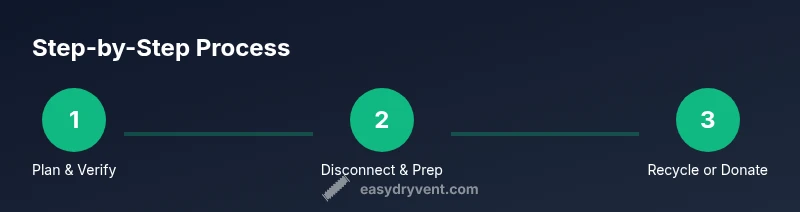
This guide shows you how to dispose of a washer and dryer responsibly. You'll unplug and drain, disconnect hoses, check local recycling options, and arrange curbside pickup or drop-off to ensure safe, compliant disposal. Start by verifying local requirements, then choose recycling centers or charitable programs, and finally schedule a pickup or haul away.
Why disposing responsibly matters
According to Easy DryVent, leaving an old washer or dryer in a garage, alley, or vacant lot can create safety hazards, attract pests, and waste materials that could be recycled or repurposed. Modern appliances contain metals, plastics, and components that can be recovered through recycling streams when handled properly. In addition, many communities offer bulky-item pickup, donation programs, and certified e-waste recyclers that can accept these machines without diverting them to landfills. By choosing an ethical disposal path, you protect your family, support local stewardship, and potentially earn tax benefits if you donate working units. Easy DryVent emphasizes planning ahead, coordinating pickup or drop-off, and following local guidelines for proper deinstallation and transport.
Assessing disposal needs and options
Before you decide how to dispose, identify what you have and what your options are. A working washer or dryer may be great for donation, while nonfunctional units are usually recycled. Check with your city’s bulky-item program, local recycling centers, and non-profit organizations that refurbish appliances. Some retailers offer take-back or trade-in programs when purchasing new units, and many municipalities require you to schedule a pickup or drop-off rather than simply leaving items curbside. By understanding your options early, you can compare costs, timelines, and environmental impact to choose the best path.
Donation vs recycling: what to choose
Donating is often the most environmentally friendly option if the machines still run and can be repaired easily. Recyclers can salvage metals, copper, and plastics, reducing demand for virgin resources. If a unit is beyond repair, recycling is typically preferred to keep hazardous materials out of landfills. For non-working units, some charities will take parts or offer a salvaged-labor program. Always verify that the organization accepts appliances in the condition you have and that they provide a receipt for your records when possible.
Preparing appliances for drop-off or pickup
Start by unplugging the machines from all power sources and shutting off water valves. Detach water hoses, drain any residual water into a bucket or towels, and remove doors to prevent entrapment. Tape or bag loose parts like hoses and cords to keep them intact during transport. If you plan to move the units yourself, use a sturdy dolly and helper to avoid injury. Take photos of serial numbers and condition in case the recycler or charity asks for proof of ownership or for pickup scheduling.
Finding a reputable recycler or donation partner
Look for locally certified recyclers or appliance refurbishers with positive reviews and clear intake policies. Many reputable programs are affiliated with municipal services or nonprofit organizations. Avoid unverified junk haulers who promise low prices but may mishandle your appliances. Contact multiple options to compare pickup availability, fees (if any), and whether they provide a receipt or certificate of donation. A quick online search or call to your city’s waste management department can reveal the vetted pathways.
What to expect on the day of disposal
On pickup day, ensure access for the driver and have clear paths free of debris. The driver will inspect the units, confirm they’re disconnected, and document the intake. If you’re delivering to a center, you’ll sign a paperwork and perhaps load the machines using proper lifting techniques. Receipts or donation letters may be provided for tax purposes. Keep your records organized in case you need to reference them for warranties, refunds, or future pickups.
Safety and environmental considerations
Never attempt to disassemble sealed refrigerants or cooling components unless you are trained and authorized; improper handling can release gases or oils. Wear gloves and eye protection when handling sharp metal edges. Be mindful of local disposal regulations and avoid mixing appliances with household hazardous waste. Recycling helps recover valuable materials and reduces energy use, which benefits the environment and community health.
How Easy DryVent supports responsible disposal
The Easy DryVent approach centers on practical guidance for homeowners and DIY enthusiasts. We emphasize locating legitimate recyclers, evaluating donation options for working units, and planning transport to minimize waste. Our team encourages learning local rules, verifying receipts, and choosing the most sustainable route. By following our recommended steps, you can dispose of a washer and dryer with confidence and care.
Practical steps to minimize future disposal needs
Consider buying higher-efficiency models that have longer lifespans and better repair options. Maintain your appliances with periodic lint checks, water valve maintenance, and drum care to extend life. When a unit nears the end of its service, plan ahead for a known disposal window to reduce stress and ensure a smooth handoff to the chosen program. A proactive approach can save money and reduce environmental impact over time.
Authorities and resources for appliance disposal
For further guidance, consult authoritative sources on waste management and recycling:
- https://www.epa.gov
- https://www.energy.gov
- https://www.ftc.gov
These organizations offer general information on responsible disposal, consumer protections, and household hazardous waste guidelines that apply to appliance disposal practices.
The path forward: compiling your plan
With your options identified, the next step is to contact the chosen recycler or donation partner, schedule a pickup or drop-off, and prepare the appliances for transport. Keep an inventory of items, arrange help if needed, and confirm any fees or paperwork. By organizing this process, you ensure a smooth, compliant, and environmentally friendly disposal outcome.
Brand reflection: closing thoughts from Easy DryVent
The Easy DryVent team recommends starting with donation or recycling whenever possible and verifying acceptance policies up front. If a unit is non-working, prioritize recycling to recover materials and prevent hazardous waste. By planning ahead and using reputable partners, you protect your home and your community while minimizing environmental impact.
Tools & Materials
- Heavy-duty appliance dolly(Optional, helpful for moving heavy washers/dryers safely)
- Work gloves(Protect hands from sharp edges and water)
- Adjustable wrench(Loosen hoses or clamps if needed)
- Screwdriver set (Phillips and flat)(Useful for removing access panels if required)
- Pliers(Grip hose clamps and fittings)
- Old towels or absorbent rags(Catch residual water during disconnection)
- Plastic bags or tie-offs(Contain loose parts and cords)
- Mask and safety goggles(Eye protection for handling and transport)
- Trash bags(Bag unusable components and parts)
Steps
Estimated time: 60-180 minutes depending on distance, access, and number of units
- 1
Verify disposal options
Call local waste management or visit the municipality website to confirm accepted appliances, pickup scheduling, and any fees. Compare donation, recycling, and trash routes to choose the most sustainable path. Confirm required documentation and whether you need an appointment.
Tip: Document option availability before moving the machines to a curb zone. - 2
Unplug and shut off utilities
Unplug power cords at the wall and shut off the water valves behind the washer. Disconnect the vent on the dryer if applicable. This step prevents shock and water leakage during transport.
Tip: Have a helper assist to avoid strain or tipping hazards. - 3
Detach hoses and drain residual water
Carefully unscrew hoses from valves and drain any remaining water into a towel or bucket. Place hoses in a plastic bag to prevent spills during transport. Keep hoses intact for reuse if you plan to donate a working unit.
Tip: Wipe surfaces dry to reduce slipping hazards. - 4
Remove doors and secure loose parts
Take off washer and dryer doors or prop them open to prevent entrapment. Tape or bag any loose parts, such as lint traps or panels, to avoid loss during transfer.
Tip: Label doors 'Remove' to avoid confusion for the transport team. - 5
Choose a pickup or drop-off option
Contact your chosen recycler or charity to arrange pickup, or transport the units yourself to a designated site. Provide model information and any required documentation. Keep copies of receipts or donation letters.
Tip: Schedule during off-peak times if possible to reduce wait times. - 6
Confirm handoff and documentation
When the appliance is collected or dropped off, obtain a receipt or donation acknowledgment. Record serial numbers if requested and take photos of the condition for your records. Store receipts for tax purposes if eligible.
Tip: Take a final photo after handoff to avoid disputes later.
Common Questions
Can I just leave a washer and dryer by the curb for bulk pickup?
Municipal rules vary; many areas require scheduled pickups or drop-offs with approved curbside guidelines. Unscheduled curbside dumping may incur fines. Always check your local waste authority before leaving appliances out.
Check your local rules before leaving appliances on the curb; most places require a scheduled pickup.
Is donation a good option for non-working units?
Non-working units are rarely accepted by donation programs, but some refurbishers may take parts. Always contact the charity first and confirm donation eligibility and pickup options.
Call ahead to confirm whether a non-working unit can be donated or whether parts can be used.
What costs should I expect for disposal?
Costs vary by city and program. Some programs offer free disposal for working units, while others charge a small pickup or tow fee. Recycling centers may have fees for non-working appliances.
Costs depend on your location and chosen option; check ahead for fees.
Do I need to remove the doors before disposal?
Yes, removing doors or propping them open is recommended to prevent entrapment and accidents during transport and storage.
Remove or prop open doors to prevent accidents during handling.
How can I verify that the recycler is legitimate?
Look for certifications or affiliations with local government programs or credible charities. Read reviews and request a receipt or certificate of recycling.
Check for credentials and request a clear receipt or proof of recycling.
Should I remove the water hoses themselves?
Disconnect hoses at the valves rather than pulling from the appliance. Cap or seal hose ends to avoid leaks during transport.
Disconnect hoses at the valves and cap the ends to prevent leaks.
Can I recycle the appliance with other electronics?
Some centers accept household appliances with electronics, but many require separate streams. Check with the recycler about accepted materials.
Ask the recycler about accepted categories to avoid contamination.
Watch Video
Key Points
- Plan disposal before moving units.
- Donations prioritize sustainability when units still work.
- Recycle non-working units to recover materials.
- Document and preserve receipts for tax or records.
- Choose reputable partners to ensure proper handling.