How to Get Rid of a Dryer: A Practical Disposal Guide
Learn safe, legal ways to dispose of an old or non-working dryer. Donating if operable, recycling components, and arranging licensed pickups are covered with step-by-step guidance, safety tips, and local considerations.


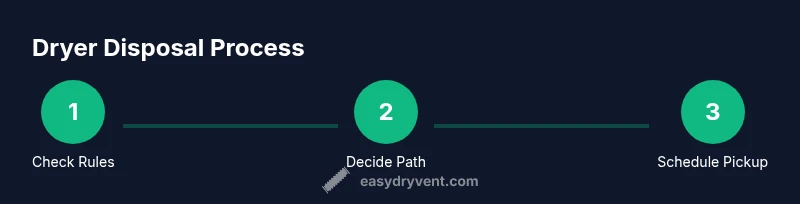
If you're looking to how to get rid of a dryer, start by checking local disposal rules and the options available for appliances. Working units can often be donated or sold for reuse, while non-working models typically require recycling or a licensed appliance recycler. Plan ahead by unplugging the unit, disconnecting utilities, and scheduling pickup or drop-off with a reputable facility.
What counts as proper disposal for a dryer
If you’re asking how to get rid of a dryer, proper disposal starts with understanding your local rules and available channels. Appliances often require recycling or take-back programs rather than simple trash dumping. According to Easy DryVent, working units should be donated or sold for reuse when possible, while non-working units must be processed by licensed recyclers. This ensures hazardous materials, like refrigerants or insulating materials, are handled safely and not released into the environment. Before you proceed, locate your city or county’s appliance disposal guidelines and any retailer take-back offers. In many regions, there are specific days for bulky item collection or dedicated e-waste facilities. By starting with these basics, you reduce hazard, waste, and the chance of fines from improper disposal.
Donating operable vs recycling non-working dryers
When a dryer still runs, donation can be a generous and sustainable path. Many nonprofit thrift stores, women’s shelters, or Habitat for Humanity ReStores accept large appliances, provided they are in working condition and include essential components like hoses and cords. Before you drop off, wipe down the unit, ensure it’s clean, and have the model and serial information handy for the charity. If the dryer is non-working or has major mechanical issues, recycling becomes the responsible alternative. Recyclers will disassemble the appliance to recover recyclable metals and plastics while safely managing any refrigerants or capacitors. Always confirm acceptance policies with the organization or recycler and ask about any pickup options. As Easy DryVent notes, choosing the right path helps protect the environment and supports local communities.
Local rules, permits, and scheduling pickups
Disposal rules vary widely by location. Some areas require bulky item pickup scheduling through the city, while others rely on third-party curbside appliance services. Start by checking your municipality’s solid-waste website for appliance disposal instructions, and look for any requirements about disconnecting utilities and removing components like the vent hose. Don’t forget to verify whether the dryer needs to be hauled by a licensed recycler or if a simple donation is possible. If you plan to schedule a pickup, prepare the unit by unplugging it and ensuring it’s accessible for the crew. As part of your planning, gather any required documentation, such as proof of ownership or a service tag. Easy DryVent’s analysis shows that adhering to local protocols can streamline the process and avoid delays.
Safe teardown and preparation before disposal
Before disposal, take safety steps that protect you and the home. Unplug the dryer from the wall outlet, then turn off the gas supply if you have a gas-powered model. Detach the vent duct from the rear and cap the open ends to prevent pests or debris from entering the system. Remove the lint filter and vacuum the cavity to reduce dust exposure. If you must move the appliance, use a steady stance and a dolly or helper to prevent back strain. Keep the power cord and any hoses in a labeled bag so they can be inspected or included with a donation if requested. These preparations reduce hazards and make the handoff to a donor or recycler smoother.
Environmental impact and common disposal mistakes to avoid
Improper disposal can contribute to waste streams that harm land, air, and water quality. Avoid throwing a dryer in a standard trash bin; most municipalities restrict this practice because large appliances contain metals and components that should be recycled. Do not leave the unit outdoors where it can corrode and leak fluids. A common mistake is failing to disconnect gas lines in gas dryers, which poses safety risks during transport. Always follow local rules for hauling and ensure a licensed facility handles the appliance. Quick decision-making—donating a working dryer and recycling a non-working unit—minimizes environmental impact and supports community programs.
How to choose disposal path: compare options and plan ahead
Choosing the best disposal path depends on operability, time, and budget. If the dryer still works, donation or selling it can provide a green benefit and possibly a tax write-off. If it’s non-working, recycling is typically the most responsible option; compare quotes from local appliance recyclers and confirm whether they handle refrigerants or capacitors. For curbside options, confirm pickup windows, any fees, and whether the unit must be dismantled to meet safety guidelines. Create a simple plan that includes a timeline, contact numbers, and backup options in case your first choice is delayed. By mapping out these steps, you’ll avoid last-minute scrambles and reduce stress.
Tools & Materials
- Flat-head screwdriver(For prying and securing panels)
- Phillips-head screwdriver(For removing screws on panels and panels)
- Adjustable wrench(To disconnect hoses or clamps)
- Pliers(Grip hoses and remove clamps)
- Gloves(Protect hands from sharp edges)
- Safety goggles or mask(Prevent dust inhalation)
- Duct tape or zip ties(Seal duct ends after removal)
- Dolly or moving strap(Assist transport for heavy appliance)
Steps
Estimated time: 1-2 hours
- 1
Verify operability and local disposal rules
Check if the dryer still runs and listen for unusual noises. Look up your city’s appliance disposal guidelines and confirm acceptable paths (donation, recycling, or pickup). If it operates, it’s often best to donate; if not, plan to recycle. This step reduces waste and guides your next actions.
Tip: If in doubt, contact your local waste management office to confirm accepted programs. - 2
Unplug and shut off utilities
Unplug the power cord from the outlet. If you have a gas dryer, shut off the gas supply valve and disconnect the appliance from the gas line with the appropriate tools. Ensure the area is ventilated and safe before touching any metal parts.
Tip: Keep a test button or label handy to remind yourself you’ve completed the disconnection. - 3
Detach hoses and venting
Carefully detach the vent hose from the back of the dryer and cap or seal the vent ends to prevent animals from entering. Remove water hoses if present and store them with the unit. This helps reduce the risk of damage during transport and makes inspection easier for the recycler.
Tip: Document where each hose goes in case a donor or recycler needs it. - 4
Prepare for handoff
Wipe down the exterior and collect all attachments (drum belt clips, lint screen, instruction manuals). If donating, include the lint trap and any removable parts the recipient may expect. Photograph the unit and note the model/serial number for the recipient or recycler.
Tip: Having clear photos speeds up donations and improves acceptance odds. - 5
Choose the disposal path
Contact local donation centers to confirm acceptance and arrange a pickup if possible. If recycling, locate a licensed appliance recycler and obtain an estimate for drop-off or pickup. Compare total costs, timelines, and whether they handle refrigerants and electrical safety components.
Tip: Ask for receipts or confirmation numbers for record-keeping. - 6
Schedule pickup or drop-off
Book the service date and time that works for you. Ensure the path is clear to load the dryer and share any access instructions with the pickup team. Confirm the driver’s contact information in case of delays.
Tip: Double-check whether any fees apply and what documentation you’ll receive.
Common Questions
Is it illegal to throw a dryer away with regular trash?
In many areas, appliances require recycling or proper disposal due to regulated components. Always check local codes before discarding a dryer. Violations can result in fines or additional charges for improper disposal.
Many places require proper disposal for appliances to avoid fines. Check your local rules before throwing away a dryer.
Can I donate a used dryer that still runs?
Yes, if the dryer runs reliably and includes essential parts. Contact local charities or Habitat stores to confirm acceptance and any pickup options. Donating a working unit reduces waste and can help someone in need.
Yes—if it runs well, donate it to a charity or thrift store that accepts appliances.
What’s the best alternative if the dryer is broken beyond repair?
Recycling through a licensed appliance recycler is typically the best option. They will safely handle recyclables and any hazardous components. Avoid bagging it with regular trash.
Recycle it through a licensed recycler; don’t place it with regular trash.
How long does a curbside pickup take to schedule?
Scheduling times vary by city and service provider. Check availability online or call the service line to confirm a window. You’ll often choose a date within a week or two.
Pickup times vary; check online or call to confirm a date that works for you.
Are there costs involved in disposing a dryer?
Costs depend on whether you donate, recycle, or schedule a pickup. Donations are typically free, while recycling or curbside pickups may have a small fee. Always request a quote before confirming.
Costs vary; donation is usually free, recycling or pickup may have a small fee.
Watch Video
Key Points
- Check local rules before disposal
- Donate operable units when possible
- Recycle non-working dryers responsibly
- Disconnect power and gas safely
- Plan pickup or drop-off in advance