How to Dry in a Samsung Washer: Step-by-Step Guide
A practical, expert guide to using the built-in dryer in Samsung washers, covering load prep, cycle selection, safety, and maintenance for safe, efficient drying.


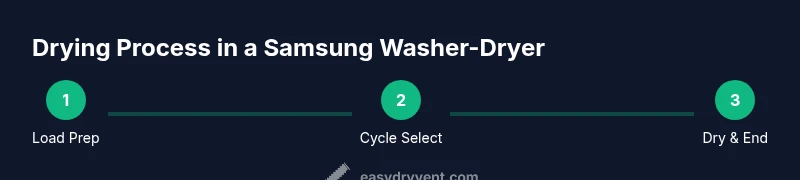
By using your Samsung washer’s built‑in dryer, you can finish a small load without a separate machine. Start with a compact, evenly distributed load, pick the right cycle (Low heat for delicates, Sensor Dry for most fabrics), and monitor the cycle. Remember to clean the lint filter after every use.
Understanding Built-In Dryer Functionality
If you’re wondering how to dryer in samsung washing machine, you’ll find that many Samsung washers offer built-in drying options that let you finish a laundry cycle without a separate clothes dryer. The integrated dryer uses a heating element, a drum, and moisture sensors to determine when clothing is dry. This can save time and space, but cycle choice and load sizing matter. According to Easy DryVent, model features vary by compatibility, so always consult your owner’s manual for model-specific steps. In practice, the dryer works best for lightly to moderately damp loads; heavy towels may require longer cycles or a separate, higher-capacity dryer. Always empty pockets, zip zippers, and remove items that could snag.
- Why it matters: choosing the right cycle prevents overdrying and fabric damage, while a properly sized load dries more evenly.
Safety Considerations Before Drying
Drying with an integrated dryer reduces clutter, but it still requires caution. Before starting, make sure the area is well-ventilated to manage condensation, keep children and pets away, and never dry items with flammable solvents or aerosols. Always empty the lint screen and inspect the door seal for damage. Easy DryVent emphasizes following the manufacturer’s safety warnings and keeping the lint screen clean because lint buildup is a common fire risk. If you notice strange smells, unusual heat, or excessive noise, stop the cycle and inspect the unit. Never leave a running cycle unattended, and unplug before performing any manual service checks.
- Key safety practices: use the appropriate heat setting for fabrics, and avoid forcing cycles that exceed the manufacturer’s recommended duration.
Preparing the Load for Drying
Load preparation directly affects drying results. Aim for a compact, evenly distributed load rather than a packed, lopsided basket. Separate heavily soiled items from lighter garments to ensure even dryness, and always check care labels to avoid fabrics that should not be tumble-dried. Run a quick pre-spin to reduce moisture, which shortens drying time and saves energy. Empty pockets and remove bulky items that could hinder drum rotation. For bulky items, consider a separate bulk cycle or air-dry options if your model supports them. A well-prepared load dries more consistently and reduces wrinkles upon removal.
- Practical tip: pre-sort by fabric type and moisture level to maximize the efficiency of Sensor Dry.
Selecting the Right Cycle and Load Size
Choosing the correct cycle and load size is essential for safety and performance. For most mixed loads, Sensor Dry with a mid-range heat setting yields a balance of speed and fabric care. Use Cotton or Everyday Dry for towels and cotton blends; Delicate or Perm Press cycles are better for synthetics. Avoid relying on time-based Dry cycles for fabrics that shrink or pill; let moisture sensors determine when to stop. If you’re unsure, start with a shorter cycle and add time if needed. Never overload the drum; an overcrowded load dries unevenly and can crease fabrics.
- Quick guardrail: follow the cycle that matches fabric type, then fine-tune heat level to protect delicate items.
Drying Tips for Common Fabrics
Different fabrics respond to heat and cycle settings in distinct ways. For cotton towels and terry, Sensor Dry on medium heat often provides reliable results without overdrying. Synthetics and blends perform best on Delicate or Perm Press with a lower heat, which minimizes shrinkage and color fading. For delicate lingerie or sheer fabrics, choose a gentler setting and shorter cycles, removing items promptly to reduce wrinkles. A light tumble with dryer balls or clean tennis balls can help maintain loft for towels and comforters. If your model supports it, enable moisture sensing to prevent overdrying and conserve energy.
- Fabric care note: always adjust settings to align with care labels; when in doubt, air-dry items that are especially fragile.
Troubleshooting Common Drying Issues
If clothes stay damp after a cycle, first check the lint filter and vent path (if vented). A clogged lint screen or restricted vent reduces airflow and lengthens drying time. Ensure you didn’t overload the drum and that the selected cycle is appropriate for the fabric. If the dryer isn’t heating, verify the heat setting, power supply, and that the door switch is functioning. For persistent issues, consult the manual’s troubleshooting section or contact support. Easy DryVent notes that many drying problems stem from simple maintenance gaps rather than component failures.
- Quick fixes: clean lint filter, choose a shorter cycle with appropriate heat, and re-run a shorter secondary cycle if needed.
Maintenance After Drying and Efficiency Tips
Post-dry maintenance helps sustain performance. Clean the lint filter after every cycle and wipe the drum interior to prevent residue buildup. Periodically run a maintenance or cleaning cycle if your model offers it, especially if you notice reduced drying efficiency. Inspect the door seal for wear and ensure the vent path (if applicable) remains clear. Use appropriate cycles for fabrics and avoid repeated overdrying to extend garment life. Keeping the dryer room ventilated also helps manage humidity and reduces the risk of mold or mildew in the laundry area.
- Easy DryVent recommends a quick quarterly check of seals and hoses to ensure long-term reliability.
Authority Sources
For authoritative guidance on dryer safety and efficiency, consult reputable sources:
- U.S. Consumer Product Safety Commission (CPSC): https://www.cpsc.gov
- Energy Star program: https://www.energystar.gov
- National Institute of Standards and Technology (NIST): https://www.nist.gov
Tools & Materials
- Samsung washer-dryer manual(Model-specific drying instructions)
- Lint screen brush or vacuum hose(Clean lint filter before and after drying)
- Drying rack or hangers(Air-dry items not suitable for tumble dry)
- Dryer balls or softener (optional)(Can help reduce wrinkles and shorten dry time)
Steps
Estimated time: 30-60 minutes
- 1
Inspect and Prepare the Load
Check fabrics for care labels, remove items that can snag, and empty pockets. Give garments a quick shake to minimize twisting and pre-remove any heavy items that could unbalance the drum. Spin the load to reduce moisture before drying.
Tip: Begin with a small test load to confirm cycle performance before committing larger batches. - 2
Load Clothes Evenly
Distribute fabrics evenly around the drum to promote uniform drying. Avoid piling fabrics in one area; an even spread prevents hot spots and reduces wrinkling.
Tip: If you have bulky items, place them loosely to avoid overpacking. - 3
Power On and Select Cycle
Power on the washer, select the built-in dryer option, and choose a cycle aligned with fabric type. Sensor Dry is ideal for most loads, while Delicate works best for synthetics and lace.
Tip: Confirm model supports Sensor Dry; if not, use a shorter timed cycle at a lower heat. - 4
Set Heat Level
Choose heat appropriate for the fabric: low or medium heat for delicates and blends; higher heat for towels and cottons if your manual allows. Avoid high heat on delicate fabrics to prevent damage.
Tip: When in doubt, start with a lower heat and add time if needed. - 5
Start Drying and Monitor
Start the cycle and monitor the first 10–15 minutes to ensure even tumbling and airflow. Check for excessive heat or odd smells; stop if you notice anything unusual.
Tip: Use the cycle’s moisture sensor to reduce overdrying. - 6
Add Time if Needed
If items are not fully dry, add a short extension rather than restarting from scratch. Avoid re-running long cycles on high heat for delicate fabrics.
Tip: Split large loads into two cycles for better results. - 7
Unload and Cool
Promptly remove items when the cycle ends to reduce wrinkles. Shake garments before folding to minimize creases and set the shape.
Tip: Let heavier items rest briefly on a rack to prevent heat buildup. - 8
Maintenance After Drying
Wipe the drum, clean the lint filter, and inspect seals for wear. Run a brief cleaning cycle if your model offers it to keep the system efficient.
Tip: Schedule periodic checks of the vent path (if external venting) for optimal airflow.
Common Questions
Do all Samsung washers have a built-in dryer?
Not all models include a built-in dryer. Check the product specs or owner's manual to confirm whether your model supports a drying cycle.
Some Samsung models include a built-in dryer; check your model’s specs to confirm if it has a drying option.
What cycles are best for cottons vs synthetics?
Cottons and towels typically do well on Cotton or Everyday Dry; synthetics perform best on Delicate or Perm Press cycles. Always match cycle to fabric care labels.
Cottons use Cotton cycles; synthetics use Delicate or Perm Press for best results.
Can I dry heavy items in a washer-dryer combo?
Yes, but avoid overloading and consider running a separate cycle for bulky items to ensure even drying and reduce wear on fabrics.
Heavy items can be dried, but don’t overload the drum and consider separate cycles for bulky pieces.
Is it safe to use dryer sheets with a built-in dryer?
Check your model’s guidelines. Some models permit dryer sheets, others may advise against them due to residue or compatibility with sensors.
Use dryer sheets only if your manual says it’s okay; otherwise skip them.
What if the clothes aren’t completely dry after a cycle?
Try a shorter extension on the same cycle or run a second cycle with lower heat. Ensure lint filters and vent paths are clear to restore airflow.
If still damp, extend the cycle or re-run with proper settings and clear filters.
Watch Video
Key Points
- Choose the right cycle for fabric type.
- Load evenly and avoid overpacking.
- Clean lint filter after every cycle.
- Follow model-specific guidance for safety and efficiency.