How to Dry and Style Hair: A Complete Guide
Learn how to dry and style hair safely and effectively with heat protection, tool selection, and a clear routine for all hair types. This Easy DryVent guide covers prep, drying techniques, finishing touches, and maintenance.


By the end of this guide you will know how to dry and style hair with confidence, using proper heat protection, the right tool settings, and a routine tailored to your hair type. You’ll learn prep steps, tool selection, a clear step-by-step process, and practical fixes to common styling challenges. It also covers when to air-dry, cooling techniques, and finishing methods for lasting hold.
Prep and protection
Learning how to dry and style hair starts with prep. Wet hair is more vulnerable to damage from heat, so begin with a gentle routine: rinse, condition if needed, and blot with a microfiber towel to remove excess water without friction. According to Easy DryVent, heat protection is not optional—it's essential for minimizing breakage and keeping shine. Apply a heat protection product evenly from mid-length to ends, and if you have curly or textured hair, consider a leave-in moisturizer that also helps define waves. After applying protection, detangle using a wide-tooth comb before you introduce any heat. This reduces pulling and snagging later in the process. Finally, decide whether you’ll air-dry part of your hair or use a diffuser for faster, more controlled drying. A little planning here saves time and preserves hair health.
Tools and settings
Selecting the right tools makes a big difference in how to dry and style hair. A good-quality hair dryer with adjustable heat and speed is essential. Use a diffuser for curly or wavy hair to distribute heat evenly and reduce frizz, or switch to a concentrator nozzle for sleek, straight looks. Set the dryer to low or medium heat for most hair types, and use a cool shot to seal the style at the end. If your hair is fine or damaged, stay on the cooler side and shorten drying time by working in shorter bursts. Keep the dryer at least 6-8 inches away from the scalp to prevent heat hotspots. Round brushes help shape the ends and add lift, while a wide-tooth comb prevents tangles during styling.
Sectioning hair for even drying
To avoid uneven results, divide hair into manageable sections before you start drying. Use clips to create four to six working panels, starting at the nape and moving toward the crown. Securing sections reduces heat exposure time for any one area and allows you to direct airflow precisely where you want it. When you plan your sections, consider your natural part and desired final style. This approach keeps the process organized and minimizes over-drying or heat buildup in one spot.
Drying techniques by hair type
Different hair types respond best to different techniques. Straight hair often benefits from steady heat and a concentrator nozzle to smooth the cuticle. Wavy hair responds well to a diffuser to preserve texture while reducing frizz. Curly hair thrives with lower heat and longer diffuser use to encourage curl definition without disturbing the curl pattern. Thick or coarse hair may require slightly higher airflow and longer drying sessions, but always monitor heat to avoid damage. For all types, avoid focusing heat on one area for too long; move the dryer smoothly and consistently.
The step-by-step dry-and-style routine (overview)
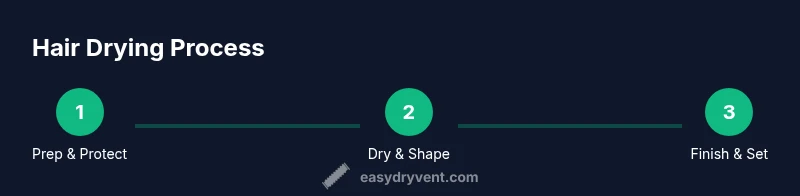
This routine provides a clear sequence from prep to finish. Begin with protection, section your hair, and dry in sections from roots to ends. Use heat sparingly, alternate between diffuser and concentrator as needed, and finish with a cool shot to set your style. Throughout, keep brushes and fingers coordinated to shape the desired look. If you’re in a hurry, prioritize the most visible areas first (fringe, crown, and front layers) to achieve an immediate improvement while you finish the rest.
Finishing touches and maintenance
After drying, apply a small amount of serum or light oil to the ends to seal moisture and add shine. If you’re aiming for long-lasting hold, use a light hold styling product and a quick blast of cool air to set the finish. Clean any product buildup from the brush and dryer air intake to maintain performance and extend tool life. Regularly replace heat protection products as formulas change and your hair needs evolve with the seasons.
Common mistakes to avoid
Many people over-dry or overheat sections, which causes brittleness and breakage. Never run a heat tool directly on wet roots; instead, work in sections and keep the tool moving. Skipping heat protection increases damage, and using too much product near the scalp can weigh hair down. Also, avoid tugging or pulling hair with brushes when it’s wet, as this can stretch and break the cuticle. Finally, neglecting the tool’s maintenance can reduce efficiency and safety—clean filters and air vents regularly.
Air-drying and alternative methods
Air-drying is the gentlest option for most hair types, especially fine or damaged hair. After washing, squeeze out excess water with a microfiber towel and gently scrunch to encourage natural texture. If you’re short on time, use a micro-diffuser on a low heat setting for a few minutes to speed up the process without harsh heat. Plopping can enhance curl formation and reduce frizz by supporting hair in its natural shape while it dries.
Troubleshooting common issues
Frizz can appear in humidity or when heat is mismanaged; adjust heat, distance, and section size to minimize it. If hair looks limp, try lifting the roots with a round brush during the drying phase and finish with a cool shot to lock volume. If your ends look dry or split, reconsider heat exposure length and re-apply a light leave-in product for moisture. Inconsistent curl or wave patterns may indicate you’re not distributing product evenly or your diffuser isn’t set correctly.
Tool hygiene and care
Keep your styling tools clean to prevent product buildup that can affect performance and hygiene. Clean your diffuser and concentrator attachments weekly and wipe down the dryer nozzle after use. Replace heat-protection products as needed and store tools in a dry area away from direct sunlight. Regular maintenance protects your investment and ensures consistent results.
Energy and safety considerations
Using heat tools responsibly reduces energy consumption and protects hair health. Match heat settings to hair type and length, and avoid excessive run time on high heat. Always use a heat protectant and maintain a safe distance from the scalp. If you notice overheating or burning smells, turn off the tool and allow it to cool before inspecting for blockages or damage.
Quick-start routine for busy mornings
If you’re short on time, start with a heat-protectant spray and a quick, low-heat dry of the top layer while you brush the rest. Focus on the fringe and crown first for an immediate improvement. Finish with a cool-shot pass and a light styling product to hold the look throughout the day.
Tools & Materials
- Hair dryer with adjustable heat and speed(Aim for 1800-2000W; use lower heat for finer hair)
- Diffuser attachment(For curly/wavy textures to reduce frizz)
- Concentrator nozzle(For sleek, controlled styling)
- Round brush (1.5-2 inches)(Boar/nylon mix preferred for smoothness)
- Wide-tooth comb or detangling brush(Detangle before heat; avoid tugging)
- Heat protectant spray/serum(Apply evenly from mid-length to ends)
- Microfiber towel or soft T-shirt(Pat hair dry; avoid rough rubbing)
- Sectioning clips(Four to six sections helps even drying)
- Cool-shot feature on dryer(Use to set and cool the finished style)
- Heat-resistant mat or towel(Place tools on to protect surfaces)
Steps
Estimated time: 30-60 minutes
- 1
Prepare and Protect
Apply heat protectant evenly from mid-length to ends and detangle with a wide-tooth comb. blot excess water with a microfiber towel.
Tip: Keep the tool at least 6-8 inches away from scalp while applying products. - 2
Section Hair for Control
Divide hair into 4-6 sections and secure each with clips. Begin drying with the crown section first to establish volume.
Tip: Secured sections prevent tangling and heat buildup in one area. - 3
Start at the Roots
Use the concentrator nozzle on low heat to dry roots first, moving upward and outward to lift the roots slightly.
Tip: Keep the dryer moving to avoid heat spots. - 4
Dry Mid-Lengths and Ends
Continue with the diffuser for textured or curly looks, or switch to the concentrator for smoothness. Dry in sections until fully dry.
Tip: Alternate brush strokes to create balanced shape. - 5
Add Shape with Brush
Stroke hair with a round brush as you dry to lift the roots and define the ends. Move brush and dryer together in smooth motions.
Tip: Angle the brush slightly away from the scalp for natural lift. - 6
Cool Shot to Set
Finish each section with a brief cool-shot to seal the cuticle and set the shape.
Tip: Short bursts are more effective than long cold blasts. - 7
Finish with Light Product
Apply a small amount of serum or light-hold product to the ends for shine and manageability.
Tip: Avoid heavy products near roots to prevent flattening. - 8
Inspect and Touch Up
Check the overall shape; target any uneven areas with a quick touch-up using the dryer and brush.
Tip: If you need more volume, lift and lightly diffuse at the crown again.
Common Questions
Do I need to air-dry before blow-drying?
Air-drying for a portion of time reduces heat exposure and helps set natural texture. Finish with a short blow-dry for shape and volume.
Air-dry for a bit first to reduce heat exposure, then finish with a brief blow-dry for shape.
What heat setting should I use for fine hair?
Use the lowest effective heat and a cool shot to minimize damage. Move the dryer continuously and avoid concentrating heat in one spot.
Stick to the lowest heat setting and use a cool shot to protect fine hair.
Can I dry hair without a diffuser?
Yes, you can use a concentrator nozzle for straight looks, but diffuser helps with waves and frizz control. If you have curly hair, a diffuser is highly recommended.
You can, but a diffuser helps with texture and frizz control on curls.
Should I rub hair with a towel before drying?
Avoid aggressive rubbing; blot gently with a microfiber towel to reduce cuticle damage and frizz.
Gently blot, don’t rub, with a microfiber towel.
How long should I wait between passes over the same area?
Keep passes brief and keep moving the dryer. Re-drying the same area repeatedly increases heat exposure and damage.
Don't linger in one spot; keep the dryer moving in short passes.
How can I control frizz in humidity?
Use a diffuser, apply a leave-in anti-frizz product, and finish with a cool shot to seal cuticles.
Diffuser plus a leave-in anti-frizz product helps control humidity frizz.
Watch Video
Key Points
- Protect hair with heat before styling.
- Choose the right tool and settings for your hair type.
- Section hair to dry evenly and efficiently.
- Finish with a cool shot to set the style.
- Maintain tools and hair health for lasting results.