Dryer Ball Down Jacket Drying Guide
Learn how to safely dry a dryer ball down jacket using dryer balls to maintain loft, prevent feather clumping, and save time with expert tips from Easy DryVent.


By using dryer balls when drying a down jacket, you can restore loft, reduce clumping, and cut drying time. This guide walks you through prep, heat settings, and safe tumbling, plus tips to avoid damage to delicate feathers. You’ll learn when to air-dry versus machine-dry, how to test dryness, and how to finish with fluffy, evenly dried insulation.
Why Dryer Balls Help With Down Jackets
Down jackets rely on loft to trap warmth. A dryer ball down jacket technique leverages the space created by wool dryer balls to improve air circulation, reduce feather clumping, and shorten drying time. Wool dryer balls bounce around the drum, lifting fabric and insulation so heat reaches more surface area. According to Easy DryVent, natural dryer balls are gentler on delicate feathers and create less friction than hard plastic alternatives. When used correctly, this approach helps keep the jacket fluffy and evenly dry, reducing the need for re-drying while preserving the jacket's softness and warmth.
Understanding Down Jacket Care and Drying Temps
Down jackets require gentle handling because feathers can clump when overheated or dampness remains. Low to medium heat is usually safest, with shorter cycles that allow you to test loft. Avoid high heat and aggressive tumbling that can cause feather migration, which leads to cold spots and stiffness. Always consult the care label; if it allows tumble drying, you can proceed with dryer balls. Using dryer balls doesn't replace proper washing; it complements drying by promoting loft and even drying. Easy DryVent's analysis suggests that the right balance of heat, air, and ball-assisted tumbling reduces the risk of over-drying while preserving fluffy loft.
Prep Before You Dry
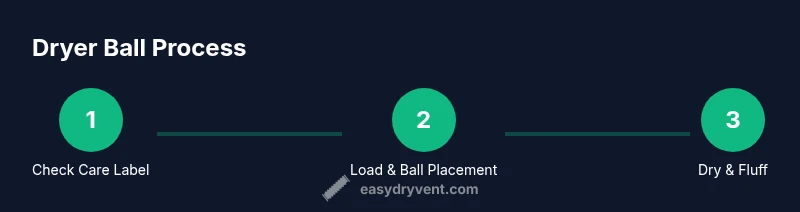
Before you start, check the garment care label and inspect the jacket for loose seams or stains. Zip up all zippers, fasten buttons, and remove any detachable hoods or liners if possible. Shake the jacket to loosen clumps of down and ensure it's clean, since excessive detergent residue can attract dirt during drying. Place the jacket in a clean dryer with 3-5 dryer balls and ensure the drum is not overloaded; space is essential for proper tumbling and loft distribution. Have a timer or two cycles ready so you can stop when the loft looks even and dry.
How to Choose the Right Dryer Balls and Settings
Choose 3-5 dryer balls for a standard household dryer to optimize airflow and loft. Wool or wool-blend dryer balls are preferred for gentler contact with feathered insulation. Use a low to medium heat setting and a shorter cycle, typically 20-30 minutes per pass, pausing to check loft and moisture. If your jacket feels damp after the first cycle, run another short cycle rather than increasing heat. Remove jacket promptly when loft returns and run a final 5-10 minute fluff cycle. This approach minimizes feather clumping and reduces the risk of heat damage.
Common Pitfalls and Troubleshooting
Common mistakes include drying on high heat, overloading the drum, and treating the jacket as a heavy load. High heat can scorch or flatten feathers, while overloading prevents even drying and loft. If you notice stiff or crunchy texture, air-dry for a few hours or run a brief refresh cycle with dryer balls. If punctures or fabric tears occur, stop immediately and inspect for damage. Always remove damp pockets promptly to prevent moisture retention.
Maintenance Tips for Longevity of Your Dryer Balls and Jacket
Keep your dryer balls clean by washing them occasionally and replacing worn ones. Store your jacket in a breathable bag rather than a sealed container to prevent moisture buildup. Regularly check the lint screen and venting path to maintain dryer efficiency and safety. Use a mild detergent for down jackets and avoid fabric softeners that can coat the feathers and reduce loft. By pairing proper care with dryer balls, you preserve warmth, lightness, and lifespan.
Authority Sources and Quick Reference
For additional reading and validation, consult authoritative sources:
- U.S. Consumer Product Safety Commission (CPSC): https://www.cpsc.gov
- U.S. Department of Energy (Energy.gov): https://www.energy.gov
- Environmental Protection Agency (EPA): https://www.epa.gov
Additionally, this guide draws on widely accepted best practices for dryer maintenance and down-jacket care from industry-leading home-drying guides and safety recommendations.
When to Air-Dry Versus Machine-Dry
In some cases, air-drying a down jacket is preferable, especially if the care label recommends it or if the jacket is particularly delicate. Air-drying helps maintain loft and prevents heat exposure that can degrade feather structure. If you choose to air-dry, lay the jacket flat on a clean surface, gently reshape the baffles, and flip periodically until completely dry. If you must machine-dry, use dryer balls, low heat, and frequent checks to avoid overheating.
Tools & Materials
- Dryer balls (3-5)(Wool or wool blend recommended; free of fragrance)
- Down jacket(Care label visible; jacket suitable for tumble drying if allowed)
- Front-loading dryer(Ensure drum is clean; avoid fabric softeners in the load)
- Low to medium heat setting(Avoid high heat to protect feathers)
- Optional: towels or fleece (balancing items)(Use to balance load if jacket seems lopsided)
Steps
Estimated time: 30-60 minutes
- 1
Check garment care label and prep
Inspect the care label for drying recommendations. Zip up zippers, fasten buttons, and remove detachable parts. Ensure the jacket is clean and free of loose threads before loading.
Tip: Always verify fabric care instructions to avoid damage. - 2
Load jacket with dryer balls
Place the jacket in the drum and add 3-5 dryer balls around it. Do not overload the drum; space allows the balls to tumble and loft to distribute evenly.
Tip: Balance the load for consistent drying by placing balls on opposite sides. - 3
Set heat and start cycle
Choose a low to medium heat setting and start a 20-30 minute cycle. Pause to check loft and damp spots, then resume if needed.
Tip: Short intervals help prevent overheating and feather damage. - 4
Shake and re-distribute
Halfway through the cycle, pause, remove, and gently shake the jacket to re-distribute down. This prevents clumping and ensures even drying.
Tip: Shaking is key for maintaining loft during drying. - 5
Test loft and repeat if necessary
Check loft and dryness. If still damp, run another short cycle rather than increasing heat. Aim for fully dry but not overheated.
Tip: Moisture pockets can remain after initial cycles; repeat as needed. - 6
Finish and cool
Remove the jacket promptly when dry and let it air-fluff for 10-15 minutes to cool and settle the loft. Store in a breathable environment.
Tip: Avoid sealing the jacket in a bag while warm.
Common Questions
Can I use dryer balls with a down jacket in a standard household dryer?
Yes, you can, but keep heat low or medium and monitor loft. Avoid high heat which can damage feathers.
Yes, you can. Just keep heat low and watch loft as you dry.
How do I know when the jacket is dry?
Check loft and feel for damp spots; feathers should be fluffy and jacket light. If still damp, run another short cycle.
Check loft and damp spots; repeat cycle if needed.
Will dryer balls damage the jacket?
When used with low/medium heat and proper load size, dryer balls are safe for most down jackets; avoid metal parts.
Use gentle heat, and avoid overloading to prevent damage.
Is air-drying better for down jackets?
Air-drying preserves loft and avoids heat exposure; it takes longer but is gentler.
Air-drying is gentler but slower.
How many dryer balls should I use?
Typically 3-5 dryer balls provide adequate space and loft; adjust for very small or large dryers.
3-5 balls usually work well.
Watch Video
Key Points
- Use 3-5 dryer balls to maintain loft
- Dry on low to medium heat to protect feathers
- Check loft between cycles
- Finish with brief fluff cycle or air-dry
- Avoid over-drying to prevent stiffness