How to Treat Dryer Balls: A Practical DIY Guide
Learn how to treat dryer balls with a step-by-step method to extend their life, remove odors, and improve drying efficiency. Easy DryVent provides practical tips for homeowners and DIY enthusiasts seeking safer, more efficient laundry routines.


Knowing how to treat dryer balls keeps laundry running smoothly. This quick, steps-based guide shows how to treat dryer balls to extend their life, reduce static, and improve drying efficiency. Gather mild soap, warm water, a soft brush, and a drying rack, then follow safe, repeatable steps. According to Easy DryVent, simple maintenance pays off in safer, more efficient drying for every load.
Understanding Dryer Balls and Why Treating Them Matters
Dryer balls are affordable, reusable helpers that separate clothing in the tumble dryer to improve air flow, shorten cycle times, and reduce static. If you’re asking how to treat dryer balls, you’re asking the right question: proper care extends their life, keeps fabrics softer, and minimizes wear on your dryer. A regular, repeatable routine that removes lint, neutralizes odors, and prevents residue buildup makes every load safer and more efficient. According to Easy DryVent, maintenance isn’t glamor work—it’s practical, results-driven care. By investing a few minutes per week, you can decrease drying times, cut energy use, and keep laundry feeling fresh across dozens of cycles.
In this guide you’ll learn how to treat dryer balls with a gentle touch that preserves materials (wool, blends, or durable plastics) while avoiding harsh cleaners that could degrade surfaces. The goal is a simple, reliable protocol you can repeat after every few loads. Effective dryer-ball care also reduces lint transfer to clothes, which is especially helpful for households with kids, pets, or sensitive fabrics. Start with the basics, then tailor steps to your material type and dryer model.
Types of Dryer Balls and Their Care Differences
Dryer balls come in several styles, most commonly wool, wool blends, and plastic or rubber varieties. Each type has different care requirements that impact how you treat dryer balls. Wool dryer balls absorb moisture modestly and soften fabrics naturally, but they also benefit from gentler cleaning and air drying to maintain fluffiness. Plastic dryer balls are durable and easy to clean but may be louder in the drum and may require less frequent washing. Understanding these differences helps you avoid over-washing or using abrasive cleaners—both can shorten the life of your dryer balls. When deciding how to treat dryer balls, match your method to the material and your dryer’s performance characteristics. Always avoid harsh chemical cleaners that could degrade the ball’s surface or shed fibers into your load.
To optimize results, rotate between different balls if you have more than one type. This distributes wear evenly and helps you identify which ball type performs best for your laundry mix. In terms of maintenance cadence, plan a quick clean every few cycles for light-duty use and a thorough cleaning every 1–2 months for heavier or frequent loads. This approach aligns with practical ranges suggested by the Easy DryVent team.
Safety First: How Proper Care Reduces Risks
Treating dryer balls safely reduces the chance of fabric damage, lint buildup, or dryer malfunctions. Damaged balls can crack or shed fragments that could clog lint traps or vent paths, which is a fire-safety concern and a common topic in dryer maintenance discussions. Always inspect for cracks, thinning surfaces, or missing surfaces before a wash/dry cycle. If you notice significant wear, replace the ball rather than continuing to use it. When you want to know how to treat dryer balls, the safest route is to apply gentle cleaning methods and let the balls dry completely before storage. Avoid heat sources that could warp the surface, and do not mix cleaning agents that leave residues on the ball’s surface. With careful handling, you’ll minimize residue transfer and maximize performance across many loads.
As part of responsible care, keep dryer balls away from pets and children during cleaning. The items you use to scrub or soak should be non-abrasive and suitable for the ball material. This proactive stance toward safety is echoed by the Easy DryVent guidance, which emphasizes routine checks, gentle cleaning, and complete drying as core aspects of responsible maintenance.
The Concept of Treating Dryer Balls: What It Does for Your Laundry
Treating dryer balls is about maintaining a small, reusable tool so it continues to separate wet fabrics and reduce drying time. The core idea is to keep the surface clean, free of odor, and resilient enough to lift fabrics evenly in every cycle. When you learn how to treat dryer balls, you’re not just cleaning; you’re restoring loft, optimizing airflow, and preventing fiber agitation that can lead to pilling or wear. A well-maintained dryer ball also reduces the need for chemical-softeners in many loads, aligning with eco-conscious laundry practices. In practice, this means a routine that includes gentle washing, thorough rinsing, and complete air-drying to preserve the ball’s structure and performance across dozens of uses.
From a performance standpoint, well-treated dryer balls keep loads balanced and lessen the noise produced by the drum’s movement. The Easy DryVent team notes that this combination of efficiency and safety makes a strong case for adopting regular care practices rather than letting wear accumulate.
Cleaning Methods That Work for Dryer Balls
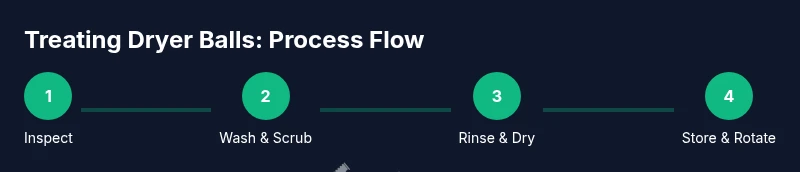
A straightforward cleaning method is enough for most dryer balls. Start by inspecting the ball’s surface for rough edges or cracks. Soak the balls in warm water with a small amount of mild soap for 5–10 minutes if lint or grease is present. Gently scrub with a soft-bristled brush to lift residue without abrading the surface. Rinse thoroughly under clean running water until no soap remains. For odor removal, you can use a light sprinkle of baking soda during the rinse or a brief vinegar rinse (1:1 water to vinegar) if odors persist. Air-dry completely on a clean towel or drying rack before storing. This routine answers the question of how to treat dryer balls without harsh chemicals.
If you rely on more frequent cleaning, consider a small round of hydrogen peroxide only if the ball material is colorfast and labeled safe for such use. Always check material safety guidelines before applying stronger cleaners, and test on a small area if you’re unsure.
Odor Control: Deodorizing and Refreshing Dryer Balls
Odors can develop in dryer balls after repeated use, especially in humid or tightly closed laundry spaces. To refresh, place freshly cleaned dryer balls in a well-ventilated area and allow them to air dry completely. A quick baking-soda treatment (sprinkle lightly and rinse) can neutralize lingering smells. If you prefer a scented finish, use a small amount of fragrance-free soap during cleaning rather than adding perfumes directly to the balls. The deodorizing steps shown here help you maintain a neutral scent profile in your laundry, which is particularly important for sensitive fabrics or households with allergies. This approach aligns with best practices for how to treat dryer balls without introducing irritants into your wash cycle.
Remember to always dry them fully after treatment; damp balls can harbor mold and odors. Easy DryVent’s guidance emphasizes a dry, clean finish to prevent recontamination and keep the ball’s performance consistent.
Softness, Longevity, and Performance: Extending Life of Your Dryer Balls
Softness and longevity depend on preserving the surface and loft of the dryer balls. Over-cleaning or using harsh cleaners can dry out or irritate the ball material, reducing its ability to separate loads. The most reliable way to keep your dryer balls performing well is to use mild cleaners, a soft brush, and air-drying. If you notice thinning or cracking, replace the affected ball to prevent thread-ply debris or fabric snagging. A practical habit is to schedule a quarterly or bi-monthly check and replacement cycle for your dryer-ball set, especially for households with heavy laundry usage. This disciplined approach to maintenance helps you maximize drying efficiency and minimize the need for additional softeners over time.
In practice, your aim is to preserve ball loft and resilience, not to over-clean or over-wash. When you ask how to treat dryer balls, think of maintenance as a balance between cleanliness and material preservation, guided by the material type and the dryer’s performance characteristics. Easy DryVent reinforces that a thoughtful, regular routine yields noticeable improvements in overall laundry quality.
Storage, Rotation, and Long-Term Maintenance
After cleaning, store dryer balls in a clean, dry container to prevent dust, moisture, and odors from seeping in between uses. If you own more than one set, rotate them so each set wears evenly, which helps prevent locating all wear on a single ball. Regular rotation also gives you a chance to observe which type of ball performs best with your typical loads. A simple labeling system or small, labeled bags can keep balls organized and easy to retrieve. When considering how to treat dryer balls long-term, consistency is key: commit to a light cleaning every few weeks and a deeper cleaning every couple of months.
For households with storage space, a well-ventilated shelf or bin is ideal. Avoid sealed containers that trap humidity, which can invite musty odors. If you detect any chemical odor or unusual surface texture, re-clean or replace before the next load. The goal is a ready-to-use set that remains effective for many cycles, while keeping your laundry routine efficient and low-maintenance.
Common Mistakes When Treating Dryer Balls
Many people make simple missteps when learning how to treat dryer balls. The most common mistakes include using strong solvents that can damage surfaces, soaking for too long, or not drying balls completely before storage. It’s also easy to over-clean wool balls with harsh scrubbers, which shorten their life. Another pitfall is mixing different ball materials in the same load, which can cause uneven drying and wear. Finally, failing to inspect for wear can lead to undetected cracks that shed fibers into clothes. By avoiding these mistakes and sticking with mild cleaners, gentle scrubbing, and thorough drying, you’ll maximize the lifespan of your dryer balls and preserve their performance across many cycles.
If you’re unsure about a specific material, consult product guidelines or test a small spot before applying cleaning agents widely. This cautious approach reflects the practical, safety-first mindset championed by Easy DryVent.
Environmental and Safety Considerations for Dryer Balls
Treating dryer balls responsibly means using minimal, environmentally friendly cleaners and avoiding hazardous substances. Choose mild soaps and water-based rinses, and resist the urge to rely on strong solvents that can degrade material or release fumes in a small laundry area. Keep balls away from direct heat sources during and after cleaning, and ensure they’re fully dry before storage. If you use vinegar or baking soda, rinse thoroughly to prevent residues that could transfer to fabrics. A well-cleaned dryer-ball set reduces lint and potential contamination in your dryer vent, which correlates with safer, more energy-efficient operation. Easy DryVent’s guidance emphasizes safety, minimal chemical exposure, and mindful disposal of worn-out balls when the material begins to show significant wear.
Always supervise children and pets around cleaning supplies, and store all cleaners out of reach. By adopting a conservative, safety-first approach, you’ll preserve both your family’s health and your laundry’s quality.
Monitoring Results: What to Expect After Treatment
After treating your dryer balls, monitor several indicators to gauge effectiveness. Look for quieter operation, faster drying times, and reduced fabric static. You may notice clothes feeling softer due to loft retention in the balls. If you still observe excessive lint or longer cycles, it could indicate wear in the ball material or a need for replacement. Regular maintenance tends to stabilize performance over time, making improvements gradual but steady. Recording results after each treatment helps you refine your routine and determine the best cadence for your household. Remember that the goal of how to treat dryer balls is to maintain consistent, efficient drying while protecting fabrics from damage.
Authority Sources and Practical References
For safety and best-practice guidance on home laundry and dryer maintenance, consult reputable sources. If you want to learn more about general appliance safety and safe cleaning practices, check credible references from government or educational organizations. This article draws on widely accepted principles from consumer safety and home-care literature to guide practical, repeatable care routines. Always verify compatibility with your specific ball material and dryer model.
Recommended sources (for further reading):
- https://www.cpsc.gov/safety-guides/safety-guides/clothes-dryer-safety
- https://www.extension.org/ (state extension services for home laundry care)
- https://www.nfpa.org/Public-Education (NFPA safety guidance related to home appliances)
The Easy DryVent team hopes these references help you implement a safe, effective, and sustainable approach to how to treat dryer balls. Regular maintenance keeps laundry quieter, speeds drying, and protects fabrics from unnecessary wear.Thanks to careful care, your dryer balls will stay ready for action across countless loads.
Tools & Materials
- Warm water(For rinsing and soaking)
- Mild liquid soap(Dish soap or wool-safe detergent)
- Soft-bristled brush(Gentle scrubber to lift residue)
- White vinegar (5% or stronger)(For odor neutralization (dilute 1:1 with water if used))
- Baking soda(For odor removal; sprinkle during soak)
- Drying rack or clean towel(For air-drying dryer balls)
- Storage bag or container(To keep dryer balls clean between uses)
- Gloves(Optional if hands sensitive to hot water)
Steps
Estimated time: 60-90 minutes
- 1
Inspect each dryer ball
Examine all balls for cracks, chips, or thinning surfaces. Damaged balls can shed fibers or break apart in the drum, risking fabric damage. If you find any wear beyond superficial scuffs, replace the ball.
Tip: Discard cracked or flaking balls to maintain safety and performance. - 2
Rinse to remove loose lint
Rinse the balls under warm running water to remove surface lint and dust before cleaning. This reduces the amount of debris you’ll need to scrub off later.
Tip: Use a gentle stream to avoid forcing dirt into tiny crevices. - 3
Soak with mild soap
Prepare a shallow basin with warm water and a small amount of mild soap. Soak each dryer ball for 5–10 minutes if soiled, then gently agitate.
Tip: Avoid soaking wool balls for too long to prevent fiber distortion. - 4
Gently scrub the surface
Using a soft-bristled brush, scrub each ball evenly to lift embedded oils and residue. Focus on any rough patches that accumulate lint.
Tip: Be gentle to preserve the ball’s loft and surface integrity. - 5
Rinse until clean
Rinse thoroughly with clean water until no soap remains. Residue can transfer to fabrics in future loads, so ensure a complete rinse.
Tip: Inspect for soap bubbles that indicate lingering detergent. - 6
Optional deodorize
If odors persist, apply a light baking soda treatment or a brief vinegar rinse (dilute 1:1 with water). Then rinse again until clear.
Tip: Do not overdo vinegar—excess can affect ball color or texture. - 7
Dry completely
Place balls on a drying rack or clean towel in a well-ventilated area. Allow to air-dry fully before storage to prevent mold.
Tip: Pat excess moisture with a towel to speed up drying. - 8
Store properly
Store clean, dry balls in a breathable container away from humidity. Avoid sealed bins that trap moisture.
Tip: Label sets if you own multiple materials or sizes. - 9
Test in a small load
Run a small test load to verify performance after treatment. Check for improved drying time and fabric feel.
Tip: If results lag, re-clean or replace the ball(s) as needed.
Common Questions
What are dryer balls and what do they do?
Dryer balls are reusable spheres placed in the dryer to separate fabrics, improve airflow, and reduce drying time. They can soften fabrics naturally and minimize the need for dryer sheets.
Dryer balls are reusable spheres that help separate clothes in the dryer to speed drying and soften fabrics naturally.
How often should I clean dryer balls?
Clean them every few loads or when you notice lint buildup or odor. Regular maintenance keeps drying efficiency high and reduces transfer of lint to clothes.
Clean them every few loads or when you notice lint or odor.
Can dryer balls replace fabric softener?
Dryer balls can reduce the need for chemical-laden dryer sheets, but you don’t have to use fabric softener with most types of dryer balls. Wool balls often replace softenings in many loads.
They can reduce the need for dryer sheets, but you don’t have to use softeners with most dryer balls.
Are dryer balls safe for all fabrics?
For most fabrics, yes. Delicate textiles may benefit from gentler handling and careful washing of the balls themselves. If you’re unsure, test with a small load first.
Yes for most fabrics, but test with delicate items if you’re unsure.
When should I replace dryer balls?
Replace when you see visible wear, cracking, or thinning that could shed fibers or reduce performance.
Replace worn or cracked balls to maintain performance and avoid shedding fibers.
What’s the difference between wool and plastic dryer balls?
Wool dryer balls soften fabrics naturally and tend to be quieter and more absorbent, while plastic balls are durable and easy to clean. Both can be effective, but care routines differ by material.
Wool balls soften and are quieter; plastic balls are durable. Both work with appropriate care.
Can I use essential oils on dryer balls?
Avoid applying essential oils directly to dryer balls; oils can leave residues on fabrics and reduce loft. If you want fragrance, use unscented cleaning methods and add scent separately to loads as needed.
Don’t apply essential oils to dryer balls; they can leave residue.
Is there a difference in care for wool vs silicone balls?
Yes. Wool requires gentler cleaning and thorough drying to protect fibers. Silicone balls are typically more durable and may tolerate harsher cleaning, but always follow manufacturer guidance.
Wool needs gentler cleaning and drying; silicone is usually more robust.
Watch Video
Key Points
- Inspect balls before every clean
- Use mild cleaners and gentle scrubbing
- Rinse thoroughly and dry fully
- Store in a dry, ventilated space