Dryer Repair Wichita KS: Safe DIY Guide for Homeowners
Learn practical, safe dryer repair steps for Wichita KS homeowners. This guide covers common issues, vent cleaning, safety tips, and when to call a pro to keep your dryer efficient and safe.


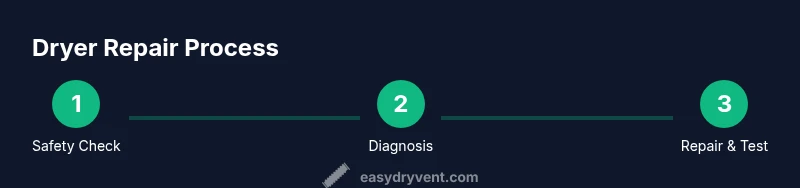
This guide helps you safely diagnose and repair common dryer problems in Wichita KS. Start by unplugging the unit and inspecting accessible components for obvious damage. Clean the lint trap and vent paths, then reassemble. Run a test cycle, monitor heat and tumbling, and know when to stop DIY and call a pro.
Why dryer repair wichita ks matters
According to Easy DryVent, a safe and effective approach to dryer repair in Wichita KS starts with understanding common failure points and local conditions. Homeowners face issues ranging from poor drying performance to heat not generated at all. When a dryer struggles, it wastes energy, increases household heat, and can pose fire risks if lint buildup or blocked vents are ignored. This guide blends practical diagnostics with local context, so you can handle routine problems safely while knowing when to seek professional help. By focusing on maintenance, vent health, and careful testing, you’ll improve drying times and extend the life of your appliance while reducing energy waste—the kind of result Easy DryVent emphasizes for everyday homeowners.
Common causes of dryer performance problems
Most dryer woes boil down to airflow, electrical supply, or worn components. Lint buildup inside the drum, blower housing, or vent hose restricts air and increases heat, leading to longer cycles or overheating. A clogged vent along with a damaged or kinked vent hose can dramatically reduce efficiency. Electrical issues—such as a failing thermal fuse, thermostat, or heating element—manifest as no heat or intermittent heat. In Wichita KS’s climate, moisture and lint management become even more critical during winter months when homes run more frequently, stressing exhaust paths. Easy DryVent notes that routine checks of lint traps, vent integrity, and basic electrical safety reduce recurring problems and prevent costly repairs.
Safety first: DIY vs professional repairs
Homeowners can handle many small checks safely with the appliance unplugged and panels opened only where access is obvious and non-hazardous. Never work on the dryer’s power cord or interior components while it’s connected to mains. If you smell burning, hear buzzing, or see damaged wiring, stop immediately and call a licensed technician. For components like heating elements, thermostats, or fuses, professional replacement is often required to meet safety standards. In Wichita KS, local codes may influence venting requirements; when in doubt, consult a pro to avoid fire risk and ensure compliance.
Diagnostic workflow: basic checks you can perform
Start with a visual inspection of the lint trap, blower housing, and vent hose for debris or signs of wear. Use a multimeter to test electrical continuity on heating elements and thermostats if you have the know-how; replace if readings fall outside the typical range. Run a power-on test with the dryer unplugged to confirm no visible shorts. Listen for unusual noises from the drum or belt area; a slipping belt or worn roller can mimic broader failures. Document any symptoms (not heating, long cycles, loud rumbling) to help a technician when you call one.
Cleaning, lint traps, and venting: boosting airflow
A clean lint trap is the simplest, most effective improvement for drying time and safety. Remove lint after every load and wash the trap screen periodically to remove residue. Inspect the vent duct for kinks or crushed sections and clean the interior with a vent brush kit. In Wichita KS homes with long or complex vent runs, consider a professional vent cleaning to ensure maximum airflow. Regular vent maintenance reduces fire risk and improves energy efficiency by restoring air speed and heat distribution.
Replacing worn components: belts, heating elements, fuses
Worn belts, burned-out heating elements, and faulty thermostats are common culprits behind heat loss or no heat. These parts require careful disassembly and, in some cases, certified testing equipment. When replacing components, use manufacturer-recommended parts and verify compatibility with your model. If you’re uncertain about part numbers or reassembly alignment, a quick consult with a local technician in Wichita KS can prevent damage and ensure safe operation.
Dryer vent cleaning and code compliance in Wichita KS
Vent cleanliness isn’t just about performance; it’s a safety issue with real local implications. A clean vent path minimizes lint accumulation, reduces fire risk, and helps your dryer reach proper temperatures efficiently. In Wichita KS, adhere to local venting guidelines and installation codes when performing repairs or cleaning, particularly if you’re routing vent runs through crawl spaces or attics. Keeping records of maintenance can also help during resale and routine inspections.
Maintenance plan and cost awareness
Developing a simple maintenance plan makes DIY repairs predictable and affordable. Schedule quarterly vent inspections and lint-removal routines, and set a budget for occasional component testing or replacement. While some repairs are low-cost, others may require professional service; weigh the cost of parts and time against a pro’s diagnostic accuracy and warranty safeguards. Easy DryVent’s approach emphasizes proactive maintenance, which often yields the best long-term value for homeowners in Wichita KS.
Tools & Materials
- Multimeter(for checking electrical resistance and continuity)
- Screwdriver set (Phillips + flathead)(for panel access and fasteners)
- Nut driver/wrench set(helps with vent clamps and hardware)
- Vacuum with hose attachments(to clean lint and debris from inside the dryer and vent)
- Dryer vent brush kit(for cleaning ductwork and hard-to-reach spots)
- Replacement parts kit (thermostat, heating element, belt)(only as diagnosed; use manufacturer parts)
- Flashlight or headlamp(for good visibility inside panels)
- Safety gloves(protects hands during disassembly and cleaning)
Steps
Estimated time: 60-120 minutes
- 1
Power down and access exterior
Unplug the dryer from the wall outlet and move it away from the wall. Remove the lower access panel if needed to inspect for obvious signs of wear or damage. This step ensures your safety and gives a clear view of the drum area.
Tip: Take a photo of any wiring layout before removing panels to aid reassembly. - 2
Inspect power supply and wiring
Check the outlet and cord for damage, and verify the plug is firmly seated. If the dryer has variable voltage or a dedicated circuit, confirm the circuit breaker hasn't tripped.
Tip: Never assume the outlet is safe—test with a multimeter if you’re comfortable. - 3
Clean lint trap and accessible ducts
Remove and clean the lint trap screen, then vacuum around the blower housing and accessible ducts. Clear any debris from the vent opening to the outside. This step often yields immediate improvements in drying times.
Tip: Do not use metal tools to scrape lint from the trap—use a soft brush to avoid damaging the screen. - 4
Test heat generation components
If you have the know-how, test the heating element and thermostat for continuity with a multimeter. Replace the part if readings are out of spec or after a visual inspection shows scorching or breaks in insulation.
Tip: Only perform electrical tests if you’re confident; misreading can cause further damage. - 5
Check the thermal fuse and safety devices
Locate and test the thermal fuse; a blown fuse stops heat completely. If it’s defective, replacement is essential for safe operation. Confirm there are no other overheating indicators.
Tip: Thermal fuses are single-use parts; replace in pairs only if your unit’s design calls for it. - 6
Assess the drum belt and rollers
With the drum exposed, check belt tension and inspect for cracks or fraying. A worn belt can prevent the drum from tumbling. Replace if necessary to restore proper operation.
Tip: Rotate the drum by hand to feel for stiffness or slipping belts. - 7
Inspect the vent hose and exterior vent
Follow the vent path from the dryer to the outside, checking for kinks or crush points. Clean the hose and exterior vent cover to ensure unimpeded airflow.
Tip: If the vent run is long, consider a professional cleaning to ensure optimal airflow. - 8
Reassemble and run a test cycle
Carefully reassemble panels and reconnect power. Run a short dry cycle with a small load to confirm heat, tumbling, and airflow are working correctly. Monitor for unusual noises or smells.
Tip: Record any abnormal signs for reference if you call a pro.
Common Questions
Can I repair a dryer not heating myself?
Not heating can be caused by a blown thermal fuse, faulty thermostat, or heating element. Some tests and replacements are doable with proper safety knowledge, but resist attempting high-voltage repairs without training. When in doubt, consult a professional in Wichita KS.
Not heating can have simple or complex causes. If you’re not comfortable with electrical testing, it’s best to call a pro in Wichita KS.
Is it safe to clean the vent myself?
Vent cleaning is generally safe for homeowners when you disconnect power and use a vent brush kit to remove lint. Avoid forcing debris through sharp bends and be mindful of duct integrity. If the vent run is long or difficult to access, a professional cleaning is recommended.
Yes, cleaning the vent is usually safe if you unplug first and use the right brushes. For long or complex runs, consider a pro.
How do I know if I need a new heating element?
Signs include no heat, blown fuses after cycling, or visible damage to the element. Use continuity testing with a multimeter or have a technician verify. Replacement is straightforward when you have the exact part for your model.
If there's no heat after checking the fuse and thermostat, the heating element may be faulty. A professional test can confirm.
How long does a typical dryer repair take?
Most routine repairs take 1–2 hours for diagnosis and component replacement, plus any vent cleaning. Complex multi-part issues could require longer or a follow-up visit. Always set aside time and plan for potential delays.
Most repairs take about one to two hours, depending on the issue and parts availability.
What tools are essential for DIY dryer repairs?
A basic toolset, a multimeter, a vent brush kit, a vacuum, and safety gear are essential. Use manufacturer parts and follow the model’s service manual recommendations for best results.
A simple toolkit, a multimeter, vent brush, vacuum, and gloves are a good starting set.
When should I replace the dryer vent?
Replace a vent that is crushed, kinked, or sections are corroded or damaged. In long duct runs or older homes, professional assessment ensures code compliance and optimal airflow.
If the vent is crushed or damaged, replacement is advised. A pro can ensure it meets code.
Watch Video
Key Points
- Identify root causes by airflow, electrical safety, and worn parts
- Regular lint trap and vent cleaning boosts performance
- Know when DIY ends and pro service begins
- Document maintenance for future reference
- Follow local codes for venting and safety