Dryer Repair Las Vegas: Safe DIY Guide
Learn practical dryer repair in Las Vegas with Easy DryVent. Step-by-step diagnostics, vent maintenance, and safety tips for homeowners and DIY enthusiasts.


According to Easy DryVent, dryer repair in Las Vegas often centers on vent blockages, overheated motors, and thermostat failures. This quick guide outlines essential safety steps, when to diagnose vs. call a pro, and local considerations like high dust and humidity. Follow the steps to diagnose issues and protect your home from fire risk.
Why Dryer Maintenance Matters in Las Vegas
In Las Vegas, the climate and air quality create unique challenges for home laundry equipment. Dryers work hardest during the peak summer months, pulling hot air through long vent runs and dusty exhaust lines. When lint builds up or venting is restricted, your dryer runs hotter, dries more slowly, and wastes energy. Regular maintenance reduces fire risk and extends appliance life—especially for busy households with frequent laundry cycles. Easy DryVent's analysis shows that addressing vent blockages, checking door seals, and keeping the lint trap clean can drastically improve drying efficiency in arid environments. Practical DIY checks now can save you time and money later, and they help you comply with local safety standards in Nevada. By following a routine maintenance plan, you also minimize the probability of costly calls to a Las Vegas service technician. This section outlines local factors to watch and simple steps you can take today.
Common Dryer Problems Seen in Hot, Dusty Climates
Dryers in desert cities face specific wear patterns. A frequent symptom is clothes that come out damp despite a full cycle, indicating poor ventilation or a failing heating element. Overheating is another common issue, often caused by restricted ducts or a clogged lint screen. A burning smell or visible smoke is a red flag that requires immediate shutdown and professional inspection. You may notice longer drying times, higher energy bills, or a door that won’t latch properly due to warped panels from heat. In Las Vegas homes, dusty air can accelerate lint buildup in the lint trap and vent hose, reducing airflow. Inspecting the exterior vent cap to ensure it opens freely on each cycle is essential. The goal is to maintain steady airflow from drum to outdoors, so heat does not accumulate inside the cabinet. Easy DryVent recommends a quarterly check plan, with monthly lint removal and annual vent cleaning.
Safety-First Diagnostic Steps for Homeowners
Before you touch any electrical components, unplug the dryer and, for gas models, shut off the gas supply. Use a flashlight to inspect the interior for obvious debris or signs of wear. A frequent beginner mistake is cleaning the lint trap without inspecting the vent hose; a blocked vent forces the dryer to work harder and increases overheating risk. Start with the lint path: remove the lint screen, vacuum the housing, and inspect the duct between the dryer and the exterior vent. Look for kinks, crushed sections, or loose connections. If you can safely access the blower housing, check for loose screws and unusual noises. For electrical components, use a voltage tester to verify power is off before touching wires. If you detect heat in the cabinet or a burning odor, power down immediately and seek professional help. These steps are designed to be safe and effective for most single-family Las Vegas homes; do not attempt wiring repairs unless you are qualified. According to Easy DryVent, safety should come first when performing any electrical or vent work.
Vent Maintenance and Airflow Optimization
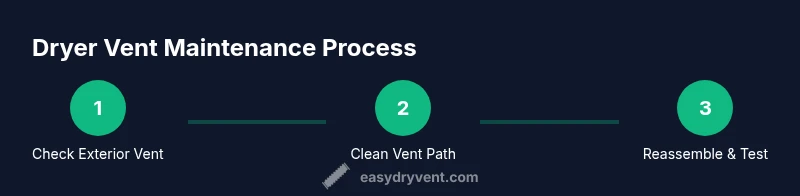
Vent maintenance is the heart of efficient drying. Start with the exterior vent—clear any obstruction around the flap and ensure it swings freely. Replace flexible plastic hoses with rigid metal ducts whenever possible to reduce sag and lint buildup. Keep the vent run as short and straight as possible, with minimal bends to maximize airflow. Clean the interior vent hose using a brush and vacuum, focusing on the area near the dryer where lint tends to accumulate. Schedule professional vent cleaning at least once a year, or more often if you have multiple pets, heavy lint production, or frequent short cycles. Consider using a high-capacity vent kit if your dryer sits far from the exterior wall. Good airflow not only dries clothes faster but also lowers the risk of overheating and fire hazards, which is a critical concern in desert environments.
When to Call a Professional in Las Vegas
Not every dryer issue is a DIY fix. If your dryer fails to heat, makes unusual noises, or trips the breaker after a DIY check, it is wise to contact a licensed technician. A pro can diagnose electrical faults, failed heating elements, faulty thermostats, or worn drum belts with specialized tools and code-compliant practices. If you smell burning insulation or see glowing components, shut off power immediately and call a pro—your safety matters most. For vent-related problems such as persistent lint buildup, crushed ducts, or exterior vent restriction, a professional can perform thorough vent cleaning and verify airflow with a manometer or flow test. In Las Vegas, scheduling a technician who understands local climate conditions and building codes helps ensure a long-term, safe repair. Easy DryVent suggests documenting model numbers and repair history to speed up service and ensure you get the right parts the first time.
Tools & Materials
- Safety gear (gloves, safety glasses, dust mask)(Non-slip gloves and eye protection for handling parts and lint dust)
- Screwdrivers (Phillips and flat-head)(Assorted sizes to remove panels and covers)
- Nut driver/torx set(Different sizes for dryer screws and vent clamps)
- Multimeter or voltage tester(Useful for electrical Diagnosis; not required for basic vent issues)
- Vacuum with hose attachment(Lint removal from blower housing and vent path)
- Vent cleaning brush or flexible vent brush(Clears lint from ducts and the exterior vent)
- Replacement parts (thermal fuse, high-limit thermostat, drum belt)(Only if diagnosed as faulty by a professional or from parts inspection)
- Flashlight(Inspect dark corners and interior components)
- Masking tape or zip ties(Temporary re-sealing of connections if needed)
- Lubricant (light, e.g., silicone spray)(Use only as recommended by a manual for pulleys)
Steps
Estimated time: 60-120 minutes
- 1
Power down and unplug
Unplug the dryer's power cord and, for gas models, shut off the gas supply at the appliance valve or the main line. This eliminates shock risk and prevents accidental ignition during inspection. Double-check that the dryer is completely de-energized before touching any components.
Tip: Use a voltage tester to confirm power is off before you begin. - 2
Inspect lint path and vent hose
Remove the lint screen and vacuum the lint trap housing. Check the vent hose for kinks, crushing, or loose connections. Disconnecting at the dryer end and cleaning both ends helps restore airflow and reduces drying time.
Tip: Take photos of hose connections before disassembly to aid reassembly. - 3
Check the drum belt and motor area
If the drum won’t turn or you hear squealing, the belt may be worn or broken. Inspect the belt for cracks or fraying and check the motor pulley for wear. Replace only with the correct belt for your model if needed.
Tip: Belts are a wear item; replace in pairs if you see wear elsewhere. - 4
Test heating element and thermostats
For heat issues, test the heating element for continuity with a multimeter and inspect thermostats for proper operation. If you see an open circuit or a stuck thermostat, replace as needed. Do not bypass safety devices.
Tip: Only perform electrical tests if you are comfortable with live circuits. - 5
Inspect blower wheel and housing
A clogged blower wheel reduces airflow and can cause overheating. Remove lint buildup from the blower housing and wheel, ensuring rotation is smooth without rubbing.
Tip: Even small obstructions can dramatically impact airflow. - 6
Reassemble and test
Reconnect all panels and hoses, plug in the unit, and run a short test cycle on air-only (no heat) to verify airflow. Listen for unusual noises and monitor for heat buildup or burning smells during the first full cycle.
Tip: If you smell burning, power down immediately and seek professional help.
Common Questions
What are the most common dryer problems in Las Vegas homes?
In desert climates like Las Vegas, frequent issues include restricted venting causing overheating, lint buildup reducing airflow, and heating elements failing due to heat stress. Dryers may also cycle longer than necessary or stop mid-cycle when components degrade. Regular vent checks and lint removal help prevent these faults.
Common Vegas dryer problems are usually about airflow and heat. Check vents and lint regularly to prevent overheating and longer drying times.
Is it safe to run a dryer with a clogged vent?
Running a dryer with a clogged vent is unsafe. It increases fire risk, reduces efficiency, and can cause overheating. If you notice longer dry times or a hot exterior vent, turn off the unit and clear the blockage or call a pro.
No. A clogged vent is dangerous and should be cleared as soon as possible; if unsure, stop and get help.
How do I know when to replace a dryer belt?
A worn belt typically causes the drum not to tumble or makes a thumping noise. If clothes stay dry or you hear a grinding sound, inspect the belt for cracks or separation. Replace with the correct belt for your model.
If the drum won’t spin or you hear unusual noises, that’s a belt cue; replace it or consult a technician.
Can I fix a heating issue myself, or should I call a pro?
Basic diagnostics like checking the lint path can be DIY, but heating elements and thermostats involve electrical components. If you’re not comfortable with electrical testing, or the dryer still doesn’t heat after vent cleaning, hire a licensed technician.
You can check vents yourself, but heat issues often require a pro for safety.
Do I need professional vent cleaning in Las Vegas?
Annual vent cleaning is recommended, especially in dusty climates. A pro can thoroughly remove lint from ducts and verify airflow, reducing fire risk and improving efficiency.
Yes, professional vent cleaning is a wise yearly maintenance step in Las Vegas.
Watch Video
Key Points
- Identify and fix vent blockages to restore airflow
- Unplug and verify safety before inspecting any components
- Prioritize vent maintenance to improve drying efficiency
- Use proper parts and professional help when heating elements or thermostats fail
- Maintain a regular maintenance schedule for Las Vegas homes