Dryer Repair in Charlotte NC: Safe, Local DIY Guide
A practical, safety-first DIY guide to dryer repair in Charlotte NC, covering common problems, vent maintenance, and guidance on when to hire a professional.


Learn how to diagnose and fix common dryer problems in Charlotte NC with practical, step-by-step guidance. This quick answer highlights frequent issues, essential safety precautions, and when to call a pro. From clogged vents to a drum that won’t spin, you’ll gain actionable tips tailored to local homes and climate. Easy DryVent provides expert guidance.
Why dryer repair in Charlotte NC matters
For residents pursuing dryer repair in Charlotte NC, local venting standards and the climate can influence dryer performance. According to Easy DryVent, humidity, dust, and thermostat behavior can affect efficiency and safety. A well-maintained dryer reduces energy use and lowers the risk of lint fires, especially in older homes with vent lines that run through attics or crawlspaces. In Charlotte, aging vent ducts and tight spaces between walls can complicate airflow, so homeowners should prioritize regular cleaning and professional inspections when needed. Regular maintenance also helps prevent mold growth in damp basements and attics, which is a concern in humid summers. By addressing issues early, you can avoid inconvenient breakdowns during peak dryer season and save money on electricity and repairs. As you plan, remember that local regulations may require proper venting clearances and code-compliant exhaust routes. Easy DryVent recommends a preventive maintenance cadence: quarterly lint checks, semi-annual vent inspections, and annual professional servicing when possible.
Common dryer problems you may encounter
Dryers can fail for a wide range of reasons, from simple blockages to component wear. In Charlotte homes common signs include long dry times, clothes coming out still damp, or clothes getting excessively hot. A burning odor or visible smoke is a serious warning sign and requires immediate action. Electric dryers often suffer from a failed heating element or a blown thermal fuse, while gas models may struggle with ignition or gas supply issues. Drum noise, belt wear, and cracked seals can cause friction and inefficient drying. Regular lint buildup in the vent line not only slows drying but also increases fire risk. If you notice inconsistent performance, start with the simplest explanations (lint buildup, vent obstruction) and move toward component tests. Documenting symptoms and timing helps when speaking with a technician, especially if you plan to schedule service in the Charlotte metro area.
Safety-first: essential precautions before you start
Safety should always come first when performing dryer maintenance. Unplug the dryer before any inspection or disassembly, and if you suspect a gas dryer, shut off the gas supply and ventilate the area. Wear protective gloves and a dust mask to handle lint which can irritate the lungs. Avoid water near electrical components and never work on a dryer with a wet floor or standing water nearby. If you are unsure about a gas line, vent, or ignition system, stop and call a licensed professional. Keep children and pets away from the workspace, and use a sturdy, non-slip surface. These precautions help prevent shocks, burns, and accidental fires during any DIY repair.
Diagnostic checklist you can perform at home
- Verify power: ensure the outlet is active and the dryer is properly plugged in and switched on.
- Check the door switch: a faulty door switch can prevent a cycle from starting.
- Inspect lint trap and vent: remove lint and check the vent duct for obstructions.
- Inspect drum seals and belt: look for wear, cracks, or a loose belt that may cause the drum not to turn.
- Test heating components: for electric dryers, test the heating element and thermal fuse; for gas models, verify ignition and gas supply with professional supervision.
- Clean the interior: a dusty drum and melted squeaks can indicate worn parts and improper airflow.
- Document symptoms: note timing, sounds, and temperature to help a technician diagnose faster when you need local Charlotte-area service.
Cost considerations and when to replace vs repair
Repair decisions depend on the age of the unit, the extent of the issue, and the cost of parts versus a replacement. In Charlotte NC, typical repair scenarios involve lint-related blockages, belt replacement, thermostat or fuse fixes, and occasional heating element work. Consider a repair if the cost is modest and the unit is relatively new or well-maintained. If multiple major components fail or the appliance is nearing the end of its expected life, replacement may be more economical in the long run. Easy DryVent analysis suggests weighing the cost of parts and labor against energy efficiency gains from a newer model, especially if the current unit is older than 10–12 years and running inefficiently.
Finding a trustworthy local technician in Charlotte NC
Choosing a local, reputable technician is key to a durable dryer repair. Look for licensed, insured technicians with positive reviews and transparent pricing. Ask about vent inspection practices and whether they test safety features, such as the thermal fuse and gas ignition system, if applicable. Request a written estimate and a clear explanation of recommended parts and labor. For Charlotte residents, verify their service area coverage, response times, and warranty on parts and labor. A reputable pro will educate you on preventative maintenance and provide a follow-up plan to keep your dryer running efficiently.
Tools & Materials
- Screwdriver set (Phillips and flathead)(For panel screws and vent covers; include both large and small tips)
- Multimeter(To test thermostats, fuses, and heating elements)
- Vacuum with hose attachment(For lint and debris removal inside the cabinet and vent扉)
- Vent brush / flexible duct brush(Use to scrub vent lines and reach long ducts)
- Replacement parts kit (belt, thermal fuse, thermostat as applicable)(Choose parts compatible with your model; keep model number handy)
- Work gloves and safety glasses(Protection while handling sharp edges and lint)
- Flashlight or headlamp(Better visibility in dark cabinet areas)
Steps
Estimated time: 60-120 minutes
- 1
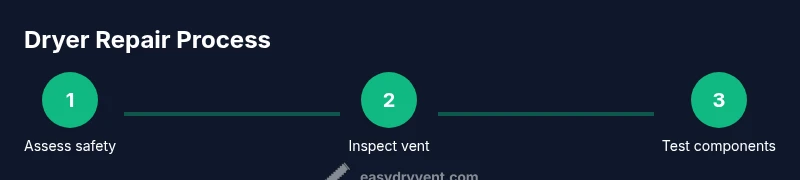
Power down and unplug
Begin by turning off the circuit breaker and unplugging the dryer. This eliminates the risk of electric shock while you inspect interior components. If your dryer has gas, close the gas supply valve and verify area ventilation before proceeding.
Tip: Double-check the outlet with a tester if you’re unsure it’s live. - 2
Access the interior and vent
Remove the lower front panel or kick panel and the back access panel to inspect belts and drums. Detach the vent duct from the cabinet to inspect for lint buildup and kinks. Use a flashlight to look for damaged coils or signs of wear.
Tip: Keep track of screws and note where each part came from to simplify reassembly. - 3
Inspect the belt and drum
Check the belt for cracks or fraying and assess the drum glides. If the belt is worn or broken, replace it. A slipping belt can prevent the drum from turning or cause noise during operation.
Tip: Test the drum by manually rotating it with the belt off to confirm smooth movement. - 4
Test the thermal fuse and thermostat
With the dryer opened, use the multimeter to test continuity on the thermal fuse and thermostat. A blown fuse will cut power to the heater circuit, causing no heat. Replace any faulty safety components only if you’re confident in safe handling.
Tip: If you’re uncertain about electrical testing, skip this step and call a pro. - 5
Inspect heating system (electric) or ignition (gas)
For electric models, inspect the heating element for breaks. For gas dryers, examine the burner and ignition system; gas work should be performed by a licensed technician. Ensure the vent is clear to prevent gas buildup and ensure proper combustion.
Tip: Never bypass safety interlocks or attempt ignition tests without training. - 6
Reassemble and clean the vent
Reinstall all panels, reattach the vent, and ensure all connections are snug. Clean the exterior vent cover and exterior vent opening to maintain airflow and reduce fire risk. Restore power and perform a short test run.
Tip: During the test run, listen for abnormal noises and feel for uneven heat. - 7
Test run and observe performance
Run a standard cycle and observe tumble action, heat delivery, and dry time. If the appliance shows improvement, reserve a maintenance window for regular cleanings every 3–6 months. If issues persist, schedule professional service.
Tip: Document any recurring symptoms to help the technician diagnose quickly. - 8
Decide on next steps
If tests indicate multiple failing components or an aging unit, weigh repair against replacement. In Charlotte NC, energy efficiency considerations and warranty status influence this choice. Keep receipts and log maintenance history.
Tip: A proactive plan helps prevent breakdowns during peak laundry seasons.
Common Questions
What are the most common reasons a dryer won’t heat?
Most no-heat issues point to a faulty thermal fuse, blown heating element, or gas ignition problems. Electric units often fail due to a failed element or fuse, while gas units may have ignition or gas-supply problems. Start by testing safety components and vent cleanliness before replacing parts.
Common no-heat issues are a blown fuse or faulty heating element on electric dryers, or ignition problems on gas models. Always test safety components first.
How can I tell if my vent is clogged?
A sluggish dry cycle, clothes remaining damp, or heat lingering in the drum after a cycle are typical signs of a clogged vent. Inspect the vent path from the dryer to the exterior and clear lint using a vent brush. If you notice resistance or poor airflow, call a pro for a thorough cleaning.
If your dryer takes longer than normal and clothes stay damp, the vent may be clogged. Clean the vent and consider professional cleaning if it’s stubborn.
Is it safe to operate a dryer with a broken belt?
No. A broken belt prevents the drum from turning correctly and can damage components. Do not operate the dryer until the belt is replaced. Replacement is usually straightforward, but ensure the correct belt type for your model.
Do not run a dryer with a broken belt. Replacing the belt restores proper drum action and prevents further damage.
Should I repair or replace my aging dryer?
If the unit is over 10–12 years old and requires frequent part replacements, replacement can be more cost-effective, especially with energy-efficient models. For newer units with a major fault, repair may be sensible if parts are readily available and labor costs are reasonable. Evaluate warranties, energy costs, and the appliance’s condition.
Consider replacement if your dryer is old and needs frequent repairs; otherwise, a targeted repair can extend its life.
Are there Charlotte NC-specific venting requirements?
Local guidelines emphasize safe vent routing, proper clearance, and vent material standards. While requirements vary by jurisdiction, ensuring code-compliant venting improves safety and efficiency. Check with your city’s building department or a licensed local technician for current requirements.
Charlotte vent guidelines focus on safe routing and proper materials. A licensed local pro can confirm code compliance.
How long does a typical dryer repair take?
Most common fixes take a few hours from diagnosis to part replacement and test run. More complex issues or gas-related work may require scheduling a follow-up visit. Always allow time for parts delivery if needed.
Most dryer repairs are completed in a few hours; complex jobs may take longer or require a second visit.
Watch Video
Key Points
- Identify issues early to prevent fires and energy waste
- Keep vents clear for safe, efficient drying
- Know when to repair vs replace based on age and cost
- Document maintenance for easier future service
- Choose reputable local Charlotte technicians for complex repairs