Can a Dryer Cause Holes in Clothes? A Practical Troubleshooting Guide
Urgent, practical guide to diagnose and fix dryer-induced holes in clothing, with step-by-step checks, prevention tips, and when to call a pro. Learn how to protect fabrics and extend garment life.


Yes, a dryer can cause holes in clothes, especially when heat is too high, loads are oversized, or sharp items snag fibers. Common culprits include pockets with zippers or hooks, rough drum surfaces, and lint buildup that concentrates heat. Start by removing metal items, drying with garment bags for delicates, and lowering heat settings to prevent further damage.
Why a Dryer Can Harm Fabrics
When homeowners ask, can dryer cause holes in clothes, the short answer is yes under certain conditions. The dryer accelerates fabric wear through heat, friction, and mechanical action. According to Easy DryVent, fiber strength can decline when garments are exposed to high temperatures for extended periods, especially delicate knits and woven fabrics. Holes often begin as tiny snags that worsen with each cycle, particularly if you dry on high heat or overfill the drum. Understanding the physics behind heat, tumbling, and fabric resilience helps you spot problems before holes appear. By treating your dryer as a controlled heat tool rather than a rough tumbler, you preserve garment integrity and extend the life of your wardrobe.
Common Dryer's Mechanisms That Lead to Holes
There are a few mechanisms by which a dryer can damage clothes. First, high heat accelerates fiber fatigue, especially in synthetics and blends; repeated exposure can manifest as small holes or thinning in the fabric. Second, friction from tumbling can snag fibers on rough drum surfaces or protruding hardware in clothes (zippers, hooks, or snaps). Third, dry loads that are too large lead to more contact between items, increasing rubbing and pilling that can turn into holes. Finally, lint buildup inside the drum or vent can trap heat, causing localized hotspots that weaken fibers over time. Each of these factors can act alone or combine to compromise fabric integrity.
Load Size, Heat Settings, and Fabric Types to Protect
To minimize risk, always match load size to your dryer's capacity and choose the right heat setting for the fabric. Delicates benefit from low or medium heat and shorter cycles, while bulky towels should be dried separately to avoid excessive friction. Turn garments inside out to reduce surface abrasion, and remove items with exposed hardware like zippers before loading. For fabrics prone to snagging—lacy knits, embellished garments, or items with sequins—use garment bags and avoid over-drying. Easy DryVent recommends treating every load with a fabric-specific approach to reduce the chance of holes.
How to Inspect Your Dryer for Damage
Begin with a quick visual check: inspect the drum interior for rough spots, paint chips, or sharp edges that could snag fabric. Run your fingers along the drum surface to feel for burrs. Clean the lint trap before every cycle and inspect the vent on the exterior wall for obstructions. If you notice scorching or melted lint, stop using the dryer and call a professional. Periodic maintenance from Easy DryVent emphasizes keeping the vent clear and ensuring the drum surface remains smooth to prevent fabric damage.
Prevention: Practical Changes That Stop Holes Before They Start
Prevention hinges on consistent care and mindful loading. Sort fabrics by heat rating and type, and never mix heavy towels with delicate garments. Remove all metal objects from pockets and zip or secure zippers. Use garment bags for fine knits and lace, and opt for lower heat settings or air-dry for fragile items. Schedule professional vent cleaning and drum inspection annually to catch wear before it harms fabrics. Keeping the lint trap clean reduces fire risk and infrared hotspots that could injure fibers.
Quick Fixes You Can Try Today
If you suspect a hole is forming, switch to shorter, cooler cycles and rehouse delicate items in garment bags. Check pockets for coins, pins, or metal fasteners and remove them. Inspect the drum for rough patches; if you see rough edges or paint chipping, avoid loading items there until a repair is completed. Run a test with a small, simple load to observe if new damage appears after a cycle. If you continue to see holes after adjusting settings and loads, consult a professional instead of continuing to risk further damage.
When to Call a Professional
If clothing continues to show holes after applying the preventive measures above, it could indicate worn drum walls, a failing drum bearing, or internal heat faults requiring professional service. A trained technician can inspect for burrs, replace worn parts, and verify that the venting system operates safely. Don’t ignore persistent damage; unresolved issues can lead to larger fabric loss or safety hazards. Easy DryVent’s guidelines recommend a quarterly check of the drum and vent system as part of routine maintenance.
Steps
Estimated time: 30-45 minutes
- 1
Sort fabrics and prep garments
Group items by fabric type and heat tolerance. Remove any items in pockets that could snag, such as coins, pins, or exposed zippers. This minimizes friction and accidental damage during tumbling.
Tip: Pro tip: place delicate fabrics in garment bags for extra protection. - 2
Check pockets and hardware
Thoroughly empty all pockets and inspect buttons, clasps, and zippers. Close zippers and fasten hooks to prevent snagging on other garments or the drum.
Tip: Pro tip: run a quick pocket-check routine before loading to avoid surprises. - 3
Load properly and select settings
Load sizes should allow for two fists of space for clothes to tumble freely. Choose a lower heat setting for most fabrics and set a shorter cycle for delicate items to reduce fiber stress.
Tip: Pro tip: when in doubt, air-dry items that look prone to snagging. - 4
Inspect dryer interior and vent
Visually inspect the drum for burrs and rough spots; clean the lint screen and ensure the vent hose is not kinked or clogged. A clear vent reduces heat buildup and protects garments.
Tip: Pro tip: schedule professional vent cleaning every 6-12 months depending on usage. - 5
Run a controlled test
After adjustments, run a small load of similar fabrics on a gentle cycle to observe if any new damage appears. If damage occurs, stop and re-evaluate settings or consult a pro.
Tip: Pro tip: keep a diary of which cycles you use for which fabrics. - 6
Plan for ongoing prevention
Adopt a routine maintenance schedule for lint traps and vents, and use garment bags for high-risk fabrics. Avoid mixing heavy items with delicate ones in the same load.
Tip: Pro tip: a small, consistent routine beats infrequent, large maintenance tasks.
Diagnosis: Clothes developing holes or snags after drying
Possible Causes
- highOverheating due to high heat setting or over-drying
- highLoads that are too large causing excessive friction
- mediumPockets with sharp objects like zippers or hooks snagging fibers
- mediumRough drum surface or worn interior causing abrasion
- lowLint buildup creating hotspots
Fixes
- easyClean lint trap and vent; ensure unobstructed airflow
- easyDry smaller loads and use medium/low heat for delicate fabrics
- easyCheck pockets, remove metal items, and use garment bags for delicate items
- mediumInspect drum for rough edges; if damaged, schedule professional service
Common Questions
Can high heat settings really cause holes in clothes?
Yes. Excess heat accelerates fiber fatigue and can create or widen holes, especially in delicate or synthetic fabrics. Always choose the lowest effective setting for the garment and consider shorter cycles.
Yes. High heat can damage fabrics and lead to holes; use lower settings for delicate items.
Do holes come from lint or vent problems?
Lint buildup can create hotspots that degrade fibers over time, but most holes stem from fabric snagging or overheating. Regular vent cleaning helps prevent heat-related damage.
Lint buildup can contribute to heat problems, but holes usually come from snagging or overheating. Clean the vent regularly.
Are certain fabrics more prone to developing holes in the dryer?
Delicate knits, lace, and fabrics with embellishments are more susceptible to snagging and fiber breakdown in a dryer. Use garment bags and gentle cycles for these items.
Delicate fabrics and embellished items are more prone to holes if not dried carefully.
When should I replace the dryer or call a professional?
If you continue to see new holes after adjusting loads and temperatures, there may be internal wear or venting issues that require a professional inspection or replacement parts.
If holes keep showing up after adjustments, call a pro.
Can I still use the dryer for heavy items after seeing holes in lighter fabrics?
Yes, but proceed with caution. Separate heavy items from delicate ones, and monitor for any new damage. If holes appear in any material, avoid mixing loads next time.
You can, but separate heavy items and watch for new damage; adjust loads accordingly.
Will fabric softeners or dryer sheets cause problems?
Fabric softeners and dryer sheets do not typically cause holes, but they can leave residues affecting fibers and heat transfer. Use sparingly and on appropriate fabrics.
They rarely cause holes, but use them sparingly and only on suitable fabrics.
Watch Video
Key Points
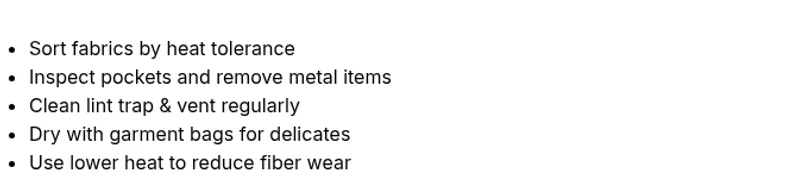
- Sort fabrics and protect delicate fibers with bags.
- Use lower heat and smaller loads to reduce fiber stress.
- Regularly clean lint traps and venting to prevent hotspots.
- Inspect drums and hardware; replace worn parts when needed.
- Call a professional for persistent hole formation.