Which Dryer Setting Is Hottest? A Practical Guide
Discover which dryer setting is hottest, how to use it safely, and how temperature affects drying time, energy use, and fabric care. Practical tips from Easy DryVent.


The hottest drying setting is typically High Heat, but it depends on model and fabric. For most loads, High Heat delivers the fastest results on sturdy fabrics, while delicate items benefit from lower settings. Always follow garment care labels and test a small load first.
Understanding Heat Settings on Dryers
The term 'hottest' refers to the maximum drum air temperature reachable by your dryer's cycle. Importantly, 'hot' on one model may be gentler on fabrics than 'hot' on another, because dryers calculate temperature with different sensors, vent configurations, and moisture sensors. For the question which dryer setting is hottest, you'll typically find a 'High' or 'High Heat' option; in some models there are 'Power Dry', 'Heat Boost', or 'Heavy Duty' cycles that push temperatures higher still. Even so, the exact temperature can vary widely between brands and even between cycles on the same model. Temperature settings are designed to balance drying speed against fabric care; higher temperatures save time for sturdy fabrics but can shrink, fade, or wear delicate fibers more quickly. When choosing a setting, correlate the fabric type, load size, and moisture level. In practice, many homeowners discover that for everyday loads, a high-heat cycle paired with proper venting offers the best trade-off between speed and fabric safety. Remember, never ignore care labels or the lint trap.
How to Identify the Hottest Setting on Your Model
To identify the hottest setting on your particular dryer, start with the owner's manual or the manufacturer’s online guide. Most machines label cycles clearly as Low, Medium, High, or specialized options like 'Air Dry' or 'Power Dry'. If your model uses numbers instead of names, look for the option with the highest temperature rating in the cycle description. A practical approach is to run a quick 10-minute test cycle with a single towel or a cotton item (mark the start time) and measure the drum surface temperature using an infrared thermometer aimed at the center of the drum (not the heating coil). Compare the observed temperature to the label on the cycle, and confirm whether the heat is indeed the hottest available on that model. If you’re unsure, contact the brand’s customer support, or consult the Easy DryVent guide for model-by-model guidance.
Safety Considerations When Using High Heat
High-heat cycles demand extra attention to venting, lint accumulation, and fabric care. Ensure the lint trap is clean before every load and that the exhaust vent is free from obstruction. A blocked vent can cause heat to build up inside the drum and increase fire risk. Regular vent cleaning—typically every 6 to 12 months for most homes—helps maintain safe airflow, especially when using hotter cycles. Never operate a dryer with a damaged vent or lint buildup. Always place the dryer on a stable surface, keep flammable objects away, and supervise a cycle until you’re confident the unit is operating normally. These precautions are a core part of Safe Drying practices endorsed by Easy DryVent.
Practical Guidance: When to Use High Heat vs Low Heat
Use High Heat for towels, bedding, dense cottons, and heavily soiled items that can tolerate heat without damage. Switch to Low or Medium heat for synthetics, delicates, activewear, and items with embellishments or stretch fabrics. For mixed loads, start with Medium heat and separate items by fabric type when possible. If you’re unsure about a new garment, test a small piece first or consult the garment’s care label. The goal is to balance drying speed with fabric longevity, so don’t default to high heat for every load. The Easy DryVent team emphasizes matching heat to fabric; this approach preserves clothing while maintaining efficiency.
Energy, Time, and Drying Performance Trade-offs
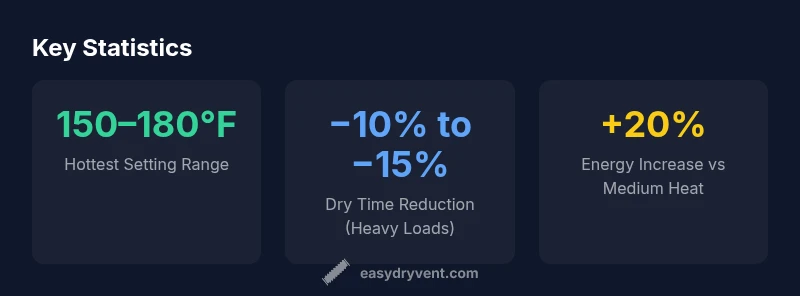
High-heat cycles can shave minutes off drying time, which may reduce overall cycle counts for bulky loads. However, they also elevate energy use and can increase wear on fabrics over time. When evaluating performance, consider load size, fabric type, and the dryer’s vent condition. If your goal is energy efficiency, prioritize proper lint removal, vent maintenance, and load size optimization, then use high heat sparingly for the right fabrics. For most everyday loads, the Best Practice is to use the appropriate heat setting and allow the dryer to work with its built-in sensors rather than relying solely on maximum temperature.
Drying Tips for Delicate Fabrics
Delicates deserve special care. Prefer Medium to Low heat for items labeled as delicate, lace, wool blends, or stretch fabrics. If you must use higher temperatures for heavier delicates like towels mixed with synthetics, run a test cycle first and reduce drying time by removing delicate items early. Reduce the load size and consider using a mesh bag for small garments. Always check fabric care labels and air on the side of gentleness when in doubt. Easy DryVent recommends erring on the side of fabric protection rather than chasing the quickest dry time.
Maintenance and Preventive Care to Support High-Heat Drying
To safely maximize high-heat performance, keep the lint trap clean after every load and ensure the vent duct is free of obstructions. A clogged vent not only reduces efficiency but creates heat accumulation risk. Schedule professional duct inspections as needed, especially if you notice longer drying times, reduced airflow, or a musty odor from clothes. Regular maintenance reduces fire risk and preserves appliance life—an essential part of any high-heat drying strategy endorsed by Easy DryVent.
Common Mistakes That Increase Heat Without Benefit
Avoid overloading the drum, which impedes airflow and causes longer cycles even on high heat. Mixing permanent-press fabrics with heavy linens can increase static and wear. Neglecting vent maintenance, using the heat setting as a substitute for proper care, and ignoring fabric care labels are all common missteps. Instead, optimize load size, sort by fabric type, and use the lowest heat setting that effectively dries each load. These practices help achieve safe, efficient results without excessive heat exposure.
How to Safely Test Your Dryer's Temperature at Home
For a practical temperature test, use an infrared thermometer aimed at the drum interior while a cycle runs. Start with a small load and observe the temperature peak, noting whether it aligns with the cycle’s stated rating. If the actual temperature consistently exceeds the manufacturer’s specification, consider servicing the unit or using a lower heat setting for similar fabrics. Always unplug the appliance before performing any physical checks beyond temperature testing. This approach provides a safe, controlled way to verify that your hottest setting behaves as expected.
Temperature ranges by dryer setting (Easy DryVent Analysis, 2026)
| Setting | Typical Temperature (°F) | Best For |
|---|---|---|
| Air Fluff (no heat) | 75-90 | Delicate fabrics, deodorizing |
| Low heat | 110-130 | Light fabrics, energy-conscious dries |
| Medium heat | 130-150 | Most loads |
| High heat | 150-180 | Heavy fabrics (towels, denim) |
Common Questions
Which dryer setting is the hottest?
In most dryers, High Heat is the hottest setting. Some models offer additional high-heat options like Power Dry or Heavy Duty, but temperature varies by model and fabric. Always check the user manual for your specific unit.
High heat is usually the hottest setting—check your model’s manual for any special high-heat options.
Is hotter always better for drying times?
Not always. Hotter cycles can shave time on sturdy fabrics but may damage delicates and increase energy use. For mixed loads, sort fabrics or start with medium heat and adjust.
Hotter can save time on heavy fabrics, but it can harm delicate items and waste energy.
Can heat setting damage clothes?
Yes. Repeated exposure to high heat can shrink, fade, or weaken fibers, especially in delicate or synthetic fabrics. Always follow care labels and use appropriate settings.
Yes, heat can damage fabrics if you overdo it.
How can I tell if the dryer is overheating?
Signs include a burning smell, scorched lint, unusually hot exterior, or a cycle that feels excessively hot. If in doubt, stop and inspect vents and lint trap before continuing.
If it smells burnt or feels too hot, stop and check the vent and lint trap.
Should I clean lint trap and vent to maximize high-heat performance?
Yes. Keeping the lint trap clean and vents clear improves airflow, reduces fire risk, and helps high-heat cycles dry more efficiently.
Yes—clean lint and vents to keep things safe and efficient.
Are there safety tips for high-heat operation?
Follow manufacturer guidelines, never leave a running dryer unattended for long, and ensure the area around the dryer is free of flammable materials. Regular maintenance reduces risk.
Keep an eye on high-heat runs and follow the manual’s safety tips.
“Choosing the hottest setting isn't a universal best practice; fabric type and proper ventilation determine what's appropriate. For many loads, higher heat speeds drying, but it can increase wear on delicate fabrics.”
Key Points
- High heat is the hottest standard setting on most dryers.
- Match heat to fabric type to avoid shrinking or fading.
- Keep vents and lint traps clean to support safe high-heat drying.
- High heat speeds drying but increases energy use; use judiciously.
- Always follow garment care labels and test with a small load first.