Gas Dryer Installation: A Homeowner's Step-by-Step Guide
Learn how to safely install a gas dryer. This guide covers planning, venting, gas connections, permits, and safety checks for homeowners and DIY enthusiasts.


Gas dryer installation requires careful planning, proper venting, and safe gas line logistics. This quick guide helps homeowners safely plan, prepare, and execute a code-compliant installation, covering gas supply, vent routing, electrical connections, and safety devices. According to Easy DryVent, following best practices reduces fire risk and CO exposure and ensures reliable operation. The Easy DryVent team emphasizes permits, professional assist when required, and thorough testing before first use.
Why Gas Dryer Installation Matters
Gas dryer installation is more than mounting a machine and connecting a hose. It involves validating a safe gas supply, routing a robust exhaust vent, and ensuring electrical and structural clearances align with local codes. Improper installation can lead to gas leaks, carbon monoxide buildup, dryer fires, or inefficient operation that wastes energy and shortens appliance life. According to Easy DryVent, safety should drive every decision from planning to final testing. This block lays the groundwork, highlighting why careful preparation matters and how a well-executed installation benefits your home’s safety and energy efficiency.
Key takeaways: proper venting, reliable gas supply, and adherence to manufacturer and local code requirements are essential for a safe, efficient gas dryer installation.
Key Safety Codes and Permits
Most jurisdictions require compliance with specific safety standards when installing gas appliances. These include ensuring a gas shutoff is accessible, venting is properly routed to the outdoors, and electrical connections are up to code. While exact requirements vary, a clear path to compliance involves reading the installation manual, consulting local building codes, and obtaining any necessary permits before work begins. Easy DryVent’s guidance emphasizes coordinating with local inspectors and documenting material approvals to avoid rework. Staying proactive about permits not only keeps you legal but also enhances long-term safety and resale value.
Best practices include verifying that the gas supply line meets code, using the correct fittings, and testing for leaks after any connection. This section is designed to help homeowners anticipate regulatory steps and pair them with practical, hands-on tasks for a smoother process.
Note: Always confirm permit requirements with your city or county building department before starting.
Planning Your Installation: Space, Venting, and Gas Supply
Effective planning centers on three pillars: space and accessibility, vent routing, and a compliant gas supply. Choose a location with sufficient clearance for maintenance, easy access to the gas shutoff, and a vent path that exits outdoors without sharp turns. The vent should be as short and straight as possible to maximize airflow and minimize lint buildup. When planning the gas supply, verify that the line diameter matches the dryer’s inlet and that existing gas lines can safely accommodate the draw. Manufacturer manuals, not guesswork, should guide valve sizes, pressures, and distances. Easy DryVent recommends mapping the entire installation first and then validating each step against the appliance’s specs and local codes.
A well-planned layout reduces last‑minute changes, lowers the risk of leaks, and simplifies future maintenance. Keep a written plan and adjust only with updated permits and approvals.
Understanding Venting Requirements
Vent requirements determine how exhaust from a gas dryer is discharged and how far it must travel before exiting the building. Use a metal vent (not plastic) and keep joints tightly sealed with metal foil tape or clamps designed for dryer exhaust. Avoid kinks and long, unnecessary bends, which reduce airflow and trap lint. The vent should terminate with a proper outdoor vent cap that has a backdraft damper. Regular inspection of the vent for lint buildup is essential for safety and efficiency. Easy DryVent reiterates that a properly vented dryer not only reduces fire risk but also improves drying performance and energy efficiency.
Within this section, plan for access to the vent path for cleaning and periodic checks. If you are unsure about vent length or bend requirements, consult the dryer’s installation manual or a qualified technician. Keeping a clean, direct vent path minimizes backpressure and helps maintain consistent drying times.
Gas Supply and Shutoff Considerations
The gas supply connection is a critical safety point in gas dryer installation. A readily accessible shutoff valve should be installed upstream of the dryer’s gas inlet, and it must be clearly labeled. Use a gas-rated flexible connector that matches the dryer inlet size and the outlet from the shutoff valve. Ensure all threaded joints are sealed with appropriate sealant or pipe dope rated for gas. Cover any unused openings to prevent dust or pests from entering the line. Easy DryVent stresses that a slow, steady approach to connecting the gas line reduces the risk of leaks and accidents. If you smell gas at any point, evacuate immediately and contact your gas provider or emergency services.
Always plan for a professional inspection if you’re uncertain about gas pressures, leak testing, or piping integrity.
Electrical Interactions and Safety Precautions
Gas dryers still require a grounded electrical supply for timer mechanisms, controls, and safety interlocks. Confirm that the dryer outlet matches the dryer’s plug configuration and that the circuit is not overloaded by other devices. Do not bypass electrical safety features or use extension cords. Ensure your home has a functioning carbon monoxide detector in the same area as the dryer. If you plan to run a new circuit, or if the existing wiring looks outdated, consult a licensed electrician. Easy DryVent reminds DIY installers to prioritize electrical safety parallel to gas and vent work, as missteps here can cause shocks or equipment damage.
Coordinating gas, vent, and electrical work reduces the overall risk during installation and ensures a reliable, safe startup.
Tools, Materials, and Prep Checklist
Before you begin, assemble the right tools and materials to prevent mid-project trips to the hardware store. This section helps you plan for a smooth install by outlining basics and safety gear. Prepare a clean workspace, good lighting, and all required components. Keeping the job organized minimizes time on-site and lowers the chance of missing critical steps. (See Tools & Materials block for a detailed list and notes.)
- Pro tip: double-check thread types (NPT vs compression) and use gas-rated sealants where required.
- Safety reminder: wear eye protection and gloves when handling metal ducts and gas fittings.
With preparation complete, you’re ready for the actual installation steps and safety checks that follow.
Step-by-Step Overview (High-Level) and Safety Preview
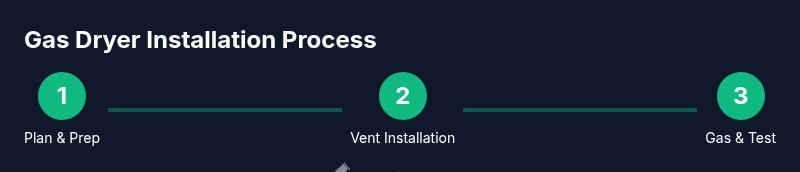
This section summarizes the main activities involved in the gas dryer installation and highlights why each step matters for safety and performance. You’ll move from planning and site prep to physical installation, leak testing, and final verification. By understanding the sequence, you can anticipate potential problem areas and allocate time for careful checks at each stage. Easy DryVent’s approach emphasizes thorough testing and documentation so that your installation remains compliant and safe long after the dryer is in use.
Maintenance and Post-Install Safety Checks
Once the installation is complete, ongoing maintenance is essential to keep the system safe and efficient. Regularly inspect the vent for lint buildup and ensure the outdoor vent cap remains clear of debris. Periodically test for gas leaks using a soapy-water solution or a calibrated detector, especially after any disassembly or movement of gas lines. Check that the shutoff valve remains accessible and that the area around the dryer is free of combustibles. A simple maintenance routine can prevent not only hazardous conditions but also costly repairs down the line. Easy DryVent recommends documenting each inspection and keeping a copy of the installation manual for reference.
Common Mistakes and How to Avoid Them
Common mistakes include skipping permits, choosing the wrong vent type, or failing to test for leaks after installation. Another frequent error is rushing the gas connection or neglecting proper clearance around the dryer. To avoid these issues, follow the manufacturer’s manual precisely, verify vent routing with local code requirements, and perform leak and operational tests before putting the appliance into service. Taking your time at the planning and testing stages reduces rework and safety incidents, aligning your project with best practices advocated by Easy DryVent
Tools & Materials
- Gas dryer installation kit(Includes fittings compatible with your dryer model and local code.)
- Flexible gas connector (gas-rated)(Match dryer inlet size and follow local code requirements.)
- Gas shutoff valve(Easily accessible; clearly labeled.)
- Non-contact gas leak detector or soapy water kit(Use to test all connections for leaks.)
- Vent duct (galvanized steel or aluminum, 4-inch diameter)(Ensure smooth interior; avoid plastic ducts.)
- Vent clamps and metal foil tape(Secure joints and seal seams against lint intrusion.)
- Screwdrivers (Phillips and flathead) and adjustable wrench(For fittings, clamps, and mounting hardware.)
- Measuring tape and level(Ensure correct placement and level appliance.)
- Duct brush or cleaning kit(Helpful for post-install cleaning and maintenance.)
Steps
Estimated time: 2-4 hours
- 1
Confirm gas supply and shutoff
Inspect the gas supply and ensure a clearly labeled shutoff valve is accessible. Verify that the line is uninterrupted up to the dryer inlet and that the valve operates smoothly. This step prevents leaks and allows immediate isolation if needed.
Tip: Test the shutoff by gently turning it off and on to confirm responsiveness. - 2
Plan location and access
Choose a site with adequate clearance for service, easy access to the gas shutoff, and a vent route that leads outside without sharp bends. Review the dryer's manual for clearance requirements and any manufacturer recommendations.
Tip: Mark the vent path on the wall before moving the dryer to avoid moving it twice. - 3
Prepare vent run
Assemble the vent path with straight, rigid metal ducting where possible. Avoid plastic and minimize the number of elbows to maximize airflow. Secure with clamps and seal joints with foil tape.
Tip: Test-fit the vent to ensure it exits cleanly without air resistance. - 4
Move dryer into position
Carefully slide the dryer into place without bending gas lines or damaging vent sections. Level the unit to reduce vibrations and ensure proper drum operation.
Tip: Have a helper assist with positioning to prevent injuries. - 5
Connect gas supply
Attach the gas connector to the dryer inlet and to the shutoff valve. Hand-tighten fittings and then give a final quarter-turn with a wrench per manufacturer guidelines. Check alignment to avoid stress on joints.
Tip: Always use a gas-rated connector and never use thread sealant that isn’t rated for gas. - 6
Attach venting system
Connect the vent duct to the dryer's exhaust and route toward the exterior vent. Ensure all joints are sealed and that there are no kinks or sagging sections that could trap lint.
Tip: Keep the vent as short and straight as possible for optimal airflow. - 7
Test for gas leaks and electrical safety
With the dryer unplugged, perform a gas-leak test around all connections using soapy water or a detector. Confirm no bubbles or readings indicate a leak. Then verify electrical outlet compatibility and that cords/cables are undamaged.
Tip: If you smell gas at any point, evacuate immediately and contact the gas provider. - 8
Power and run a test cycle
Plug in the dryer, set to a basic heat cycle, and observe for abnormal sounds, smells, or vibrations. After a full cycle, inspect the vent and gas connections again for any signs of issues.
Tip: Monitor the initial cycle closely and address any abnormal behavior before extended use.
Common Questions
Do I need a licensed professional for gas dryer installation?
In many areas, local codes require a licensed gas fitter for gas appliance connections. Always check your city or county rules and obtain necessary permits before starting work.
Local rules vary, but many places require a licensed professional for gas connections and permits.
Can I install a gas dryer myself?
You may perform a gas dryer installation if you’re confident with gas, venting, and electrical work, and you follow the manual and code requirements. If anything feels uncertain, hire a pro.
It’s possible if you’re comfortable with gas and venting work; otherwise, hire a professional.
What permits are typically needed?
Permits vary by locality, but most installations require inspections for gas connections and venting. Check with your local building department and keep records of approvals.
Permits depend on your area; inspections are commonly required for gas and vent work.
How do I verify proper venting?
Use a metal vent, avoid plastic, and ensure joints are sealed. Confirm there are no kinks and that the vent exits outdoors with a proper cap.
Make sure the vent is metal, straight, and sealed; verify it exits outside without blockages.
What safety equipment is recommended?
Wear eye protection and gloves during installation. Use a gas detector or soapy-water test for leaks, and install a CO detector nearby.
Wear safety gear and use detectors to monitor for leaks and carbon monoxide.
What should I do if I smell gas after installation?
If you smell gas, immediately evacuate, avoid creating sparks, and call your gas provider or emergency services. Do not operate electrical switches or appliances.
If you smell gas, leave the area and call for help right away.
Watch Video
Key Points
- Plan thoroughly using manufacturer specs and local codes
- Inspect and test gas, vent, and electrical connections before use
- Keep permits and inspections documented for compliance
- Regularly maintain venting and detectors to ensure ongoing safety