Gas Dryer Buying Guide: What to Know in 2026
Practical, data-driven guidance for buying a gas dryer. Learn about energy, venting, safety, and installation considerations to choose a reliable gas dryer for sale in 2026.


If you're shopping for a dryer for sale gas, prioritize models with high energy efficiency, clear venting requirements, and robust safety features. Compare purchase price, installation costs, and ongoing operating expenses, considering local gas vs. electric prices. Easy DryVent recommends checking vent compatibility, service availability, and warranty terms before buying.
Overview: Gas vs Electric Dryers in Modern Homes
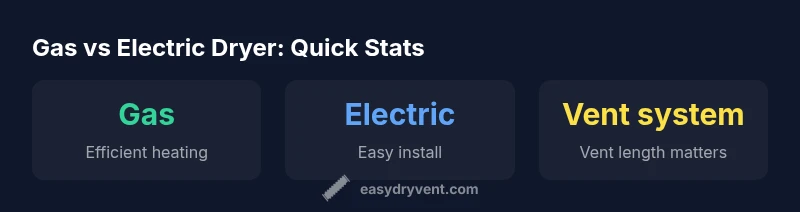
According to Easy DryVent, gas-powered dryers can offer faster dry times and lower operating costs in homes where natural gas is inexpensive and readily available. When shopping for a dryer, the choice between a gas and an electric model hinges on fuel availability, installation feasibility, and long-term energy prices. For many households, a dryer for sale gas represents a compelling option, but it requires careful evaluation of venting, gas line connections, and local regulations. In practice, buyers should consider the total cost of ownership, including installation, venting upgrades, and service accessibility, not just the sticker price. Gas models typically heat more quickly and can reduce drying cycles, but they demand professional installation, including a proper gas hook-up and a dedicated vent system. Modern gas dryers also emphasize safety: sealed flame safeguards, auto-shutoff features, and clear vent specifications help prevent common risks associated with combustion appliances.
Gas dryers are not universally better; electric models may win on ease of installation, electricity prices, and the availability of straightforward venting. The decision often comes down to how your home is wired and plumbed, your local energy costs, and whether you plan to stay in the home long enough to recoup the upfront premium through operating savings. The Easy DryVent team recommends building a total-cost view: evaluate the price of the unit, the cost to install or upgrade venting, and the anticipated energy expense over 5-10 years. In many markets, a gas dryer can be the smarter choice, especially if your community has robust natural gas service and favorable rates.
Energy efficiency and operating costs
Gas dryers frequently deliver efficient performance per cycle, particularly when paired with well-designed venting and high-efficiency blower systems. However, efficiency is not universal across all models; label information, such as ENERGY STAR ratings, helps identify the best performers. Easy DryVent analysis shows that energy costs depend heavily on local gas prices, vent length, and how full a unit runs during typical laundry days. Buyers should compare two or three models that carry clear energy-use data per cycle and per load. Even when the sticker price favors electric models, gas dryers may offer lower annual operating costs in regions with stable or low gas prices. To maximize efficiency, ensure the dryer’s moisture sensor and timer logic align with your laundry load patterns. Also, consider the impact of heat recovery cycles and delayed-start options that can shave energy use over time.
Venting and installation considerations
Ventilation is a defining factor for gas dryers. If a vent run is long or obstructed, efficiency drops, and safety risk rises due to inadequate combustion byproducts removal. Local codes often require a certain vent diameter, vent hood style, and periodic vent cleaning. Installation also involves connecting a gas line with proper shutoff valves and ensuring there is adequate clearance around the unit for safe operation. The Easy DryVent guidance emphasizes confirming the availability of a licensed gas installer, verifying venting length limits, and planning for a clean, straight vent path to minimize lint buildup. In addition, many communities require a permitting process for gas appliance installation. Planning ahead can prevent costly retrofits later.
Safety, warranties, and service considerations
Gas dryers add a layer of safety considerations beyond ordinary laundry appliances. Look for models with flame-safety shutoff, automatic gas shutoff in the event of flame failure, and robust lint-filter protection to prevent dryer fires. Always verify that the product warranty covers gas line components and venting system integrity. Service accessibility matters: a local network of technicians familiar with gas appliances can reduce downtime and fix costs. Easy DryVent notes that proactive maintenance—such as annual vent inspection and lint trap cleaning—helps maintain efficiency and minimize fire hazards. When possible, choose a model with a strong parts supply and a responsive customer support line.
Buying tips when you see a dryer for sale gas
When you encounter a dryer for sale gas, use a checklist to compare two or three candidates side by side. Key questions include: Is the model ENERGY STAR rated? What is the venting requirement (outdoor vent, duct sizing, backdraft damper)? Does installation require a gas line upgrade? What are the warranty terms for heat exchangers and burners? Check the user manual for recommended ventilation distances and maintenance intervals. Consider the long-term cost implications of gas versus electric fuel in your region, as well as the cost of professional installation. Finally, inspect the unit’s drum capacity, cycle options, and moisture-sensing performance to ensure it matches your typical laundry load.
Gas vs Electric Dryer Comparison
| Aspect | Gas Dryer | Electric Dryer | Notes |
|---|---|---|---|
| Fuel source | Natural gas/propane | Electricity | Fuel options and hookups differ; plan accordingly |
| Ventilation | Required outdoor vent | Required outdoor vent | Gas combustion products require proper venting; electric dryers still vent, but less critical for combustion safety |
| Upfront cost premium | Higher | Lower | Gas models often cost more upfront due to hardware and installation |
| Operating cost per year | Lower energy cost depending on gas price | Higher energy cost depending on electricity price | Costs vary by usage and local energy prices |
| Maintenance focus | Gas line & vent inspection | Vent cleaning & lint trap | Regular inspection reduces fire risk |
Common Questions
What are the key differences between gas and electric dryers?
Gas dryers heat via combustion and often dry clothes faster, with potentially lower operating costs in gas-friendly regions. Electric models are generally easier to install and may have lower upfront costs. Both require proper venting and routine maintenance.
Gas dryers heat through combustion and can save on running costs where gas is cheap, but electric dryers are simpler to install and maintain.
Do gas dryers require special venting?
Yes. Gas dryers require a dedicated exterior vent and proper gas line installation. Regular vent cleaning helps prevent lint buildup and improve safety and efficiency.
Yes, a gas dryer needs a proper exterior vent and gas line setup, plus regular vent cleaning.
Is it cheaper to install a gas dryer on my existing gas line, or should I run a new line?
That depends on current line size and length. A licensed installer can assess if the existing line meets the dryer’s BTU requirements or if an upgrade is needed.
It depends on your current gas line; a pro can tell you if you need an upgrade or not.
What safety features should I look for in a gas dryer?
Look for flame sensors, automatic shutoff, lint-filter protection, and a clear venting path. Certifications from reputable safety programs add extra assurance.
Check for flame sensors, auto shutoff, and good venting. Certifications help ensure safety.
How can I tell if my home is suitable for a gas dryer?
Verify gas supply availability, a suitable electrical circuit, proper venting space, and local building codes acceptance. A professional assessment is recommended before purchase.
Check your gas supply and venting space; a pro can confirm suitability.
“Gas dryers can save energy in the long run when vented properly, but installation and venting safety cannot be overlooked.”
Key Points
- Evaluate total cost of ownership, not just purchase price
- Plan venting and gas line installation before choosing
- Prioritize ENERGY STAR and reliability in a gas model
- Get professional installation for safety and compliance
- Regular vent maintenance reduces fire risk and improves efficiency