Is a tumble dryer hard on electricity? Practical energy guidance
Explore how much electricity a tumble dryer uses, what factors influence energy use, and proven strategies to lower your laundry’s energy footprint with practical tips and maintenance.


Is a tumble dryer hard on electricity? In general, yes. Tumble dryers are among the most energy-intensive appliances per cycle, with energy use varying by model, drum efficiency, and cycle selection. Sensor-dry programs, full loads, and proper venting can cut consumption significantly. The Easy DryVent analysis shows meaningful reductions when you optimize venting, maintain filters, and balance drying with air-drying where possible.
Understanding energy use in tumble dryers
Is a tumble dryer hard on electricity? If you're asking that question, the short answer is that these appliances typically draw more power per cycle than many other household devices. The overall energy footprint depends on model type, drum efficiency, and cycle selection. An older vented dryer will generally consume more energy than a modern heat-pump model. By understanding the factors that drive energy use, you can make smarter choices for dryer maintenance and laundry routines. The Easy DryVent team notes that even small changes—like improving vent routing and using sensor-dry modes—can yield meaningful savings over a year.
Beyond per-cycle energy, consider how often you run the dryer, what you dry, and how you maintain the vent path. Regular cleaning of lint filters reduces restricted airflow that can force the motor to work harder. In practice, a well-maintained system loses less heat and dries more efficiently, which compounds savings across months.
Energy-pump vs vented vs condenser: what to choose
The energy footprint of a dryer depends heavily on the technology behind the drum and heating element. Heat-pump models recycle heat and typically use far less electricity per cycle than conventional vented or condenser units. Vented dryers remove hot, moist air to the outside, which can be efficient for short runs but incurs higher energy use when heaters compensate for heat loss. Condenser models avoid external venting but still require energy to dry the air and generate heat. According to Easy DryVent analysis, heat-pump dryers usually offer the lowest energy per cycle, but they may come with higher upfront costs and longer cycle times. Your climate, laundry habits, and budget will influence which type is the best fit.
When selecting a model, also check the energy label and any efficiency ratings. In some regions, energy-efficiency programs provide rebates for high-efficiency machines. For homeowners, balancing upfront cost with long-term energy savings is key.
How cycle settings affect electricity consumption
Cycle choices have a big impact on energy use. Timed dry and high-heat settings typically consume more energy than sensor-dry programs that detect moisture levels and stop the cycle when the load is dry. Heavier fabrics and smaller loads may take longer, increasing energy per load; meanwhile, full or near-full loads optimize the energy used per item dried. Temperature choices also matter: higher heat dries faster but can waste energy on overdrying. Use lower heat with appropriate cycle lengths and let the sensor-dry method finish the job. Regular maintenance—such as cleaning ducts and filters—ensures air can escape efficiently and reduces the need for extra heating cycles.
A practical habit is to run only full loads and use the moisture sensor when available. Pairing dryer use with occasional line-drying can dramatically cut electricity use without sacrificing fabric care.
Practical steps to reduce energy use in daily laundry
To lower energy consumption without sacrificing results, try these practical steps:
- Dry full, evenly loaded loads; avoid overloading or underloading.
- Use sensor-dry or moisture-sensing cycles to prevent overdrying.
- Clean the lint filter after every load and inspect the vent path for obstructions.
- Keep the venting clean and unobstructed; a clear path improves airflow and reduces cycle time.
- Prefer line-drying on sunny or breezy days for bulky items like towels and sheets.
- Consider a high-efficiency model (ideally heat-pump) if you run the dryer frequently and have the budget for upgrading.
- When possible, run the dryer during off-peak hours if your electricity tariff varies by time of day.
These steps, especially when combined, can yield meaningful savings over the course of a year, especially in larger households or damp climates.
Measuring and tracking your dryer's energy footprint
Start by noting your per-cycle energy use and your cycles per week. If your utility offers an online dashboard, segment laundry energy separately to monitor changes after you implement efficiency measures. An energy meter can quantify kWh per cycle for older or unfamiliar models. Track updates after maintenance, such as lint vent cleaning or filter replacement. Compare results before and after upgrades, and adjust habits accordingly. A simple monthly log of cycles, average cycle time, and estimated cost helps you see progress and identify opportunities for further improvements.
When to replace vs maintain
If your dryer is more than 10–12 years old, it may be worth evaluating replacement options based on energy consumption, repair costs, and reliability. Newer models, especially heat-pump designs, offer substantial energy savings over older machines, potentially reducing annual electricity usage even with frequent loads. Before deciding, weigh maintenance costs against potential savings and consider whether a modest repair could extend the life of the unit. Regular maintenance—cleaning ducts, replacing worn belts, and inspecting seals—can improve efficiency and extend the appliance’s usable life.
Energy footprint by dryer type
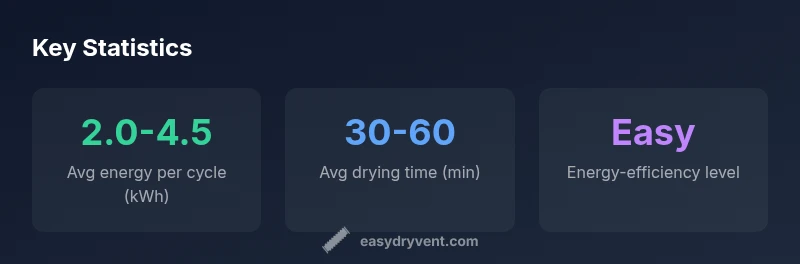
| Model Type | Avg Energy per Cycle (kWh) | Typical Drying Time (min) | Notes |
|---|---|---|---|
| Vent model (standard) | 2.0-4.0 | 40-60 | Higher energy, needs venting |
| Heat pump model | 0.5-1.5 | 40-70 | Most efficient, higher upfront cost |
| Condenser model | 1.0-2.5 | 30-60 | No external venting required |
Common Questions
Is a tumble dryer energy-intensive?
Yes. Tumble dryers typically consume more energy per cycle than many appliances, especially older models. Modern designs with moisture sensing and heat-pump technology help reduce waste.
Yes, tumble dryers generally use more energy per cycle, though newer models with moisture sensors and heat pumps are much more efficient.
What settings save the most energy on a tumble dryer?
Sensor-dry cycles paired with lower heat settings tend to save the most energy by preventing overdrying. Drying bulky items as full, balanced loads also helps.
Sensor-dry with low heat saves the most energy; load evenly and avoid overdrying.
Do heat pump dryers really save energy?
Yes. Heat pump dryers recycle heat, consuming less electricity per cycle than traditional vented models, though they may cost more upfront and run longer per cycle.
Yes, heat pump dryers use less energy per cycle but can cost more upfront.
How often should I clean lint traps and ducts?
Clean lint traps after every load. Inspect and clean the vent path at least once a year, or more often in high-use homes.
Clean the lint trap after every load and check vents annually.
Can I replace a dryer with line-drying year-round?
Line-drying works well for many items when weather permits, reducing energy use. In damp or cold climates, it may take longer and require indoor space.
Yes, line-drying saves energy, but weather and space can limit practicality.
How can I estimate my dryer’s annual energy cost?
Multiply your per-cycle energy use by the number of cycles per month and your electricity rate, then adjust for seasonal changes. Use energy calculators to refine estimates.
Multiply per-cycle energy by cycles per month and your rate to estimate annual cost.
“Smart dryer performance comes from efficient heat transfer and precise moisture sensing; regular maintenance makes the biggest difference over time.”
Key Points
- Aim for full loads to maximize energy efficiency
- Sensor-dry programs typically save energy
- Keep lint traps and ducts clean for optimal airflow
- Line-drying can significantly cut overall energy use
- Upgrade to a heat-pump model if budget allows