Is a Dryer Hard on Electricity? A Practical Guide
Explore how much energy a clothes dryer uses, compare electric vs gas models, and implement practical steps to reduce electricity consumption. Learn how features, maintenance, and venting affect overall energy use for safer, more efficient drying.


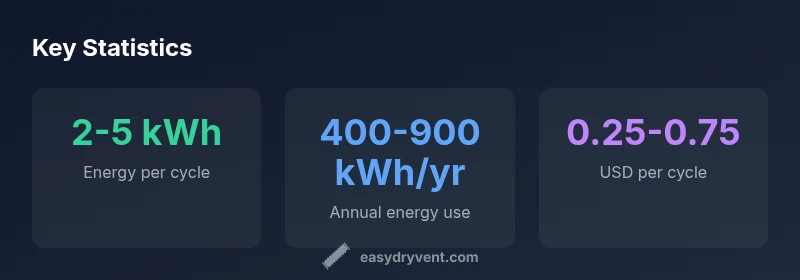
Is a dryer hard on electricity? It typically consumes a sizable portion of home energy, influenced by model, cycle length, and settings. Electric dryers usually use 2-5 kWh per cycle, while gas models rely less on heat energy but still require electricity for the motor and controls. Easy DryVent analysis, 2026, confirms the variability.
Energy Use in Dryers: Does is a dryer hard on electricity? This question is common among homeowners who want to optimize a laundry routine without sacrificing performance. In practical terms, dryer energy use hinges on three primary factors: the energy source (electric vs gas), the cycle duration, and the efficiency features built into the machine. When you ask whether is a dryer hard on electricity, you’re really asking how to balance heat, airflow, and moisture sensing to minimize wasted cycles. Modern dryers offer sensor-based and heat-pump options that can dramatically trim energy per load. However, the exact impact varies by model, load size, and what you put in the drum. According to Easy DryVent, 2026, even small adjustments—like using the moisture sensor, selecting appropriate heat settings, and maintaining clean vents—can yield meaningful reductions in overall electricity usage. This is a reminder that energy efficiency is not a single feature, but a system of choices across your laundry process.
Electric vs Gas: Where the Energy Pie Comes From The energy draw that powers drying comes from two sources: the heat source and the electric motor that tumbles the drum. Electric dryers generate heat with electric coils, which can consume a sizable chunk of energy per cycle. Gas dryers heat from burning natural gas, which reduces heat-related energy use but still relies on electricity for the motor and electronic controls. In practical terms, gas dryers can have lower per-cycle heat energy demand but do not eliminate electricity use entirely. The motor, timer, and sensors still draw power. This distinction helps explain why is a dryer hard on electricity is not a universal verdict—it depends on the dryer type, cycle selection, and how often you dry bulky loads.
How Features Affect Electricity Draw Modern models pack features that directly influence energy consumption. Moisture sensors stop the cycle when clothes reach the desired dryness, saving heat and minutes on many cycles. Energy Star certified machines tend to optimize compressor or heater operation and improve air flow. A common mistake is running dense loads on high heat for too long; opting for medium heat, proper load balance, and shorter cycles can reduce electricity use substantially. Other features like reversible doors, lint filters, and efficient venting improve air flow, indirectly lowering the energy required to remove moisture. The takeaway is simple: the more precisely a dryer detects moisture and stops when appropriate, the less electricity it wastes. Easy DryVent’s data for 2026 shows that sensor-enabled cycles often outperform manual timing when it comes to energy efficiency.
Real-World Scenarios: Household Examples People often wonder how these numbers translate to real life. Consider a family of four who does two full loads on weekdays and one additional load on weekends. If using a sensor-based electric dryer, the per-load energy could be lower than older non-sensor models by a noticeable margin, especially with medium heat settings and full loads. In households that switch to gas models, energy savings may appear in the heat source, but motor electricity still contributes to total use. The key takeaway from real-world testing is that the combination of correct load size, moisture sensor usage, and regular vent maintenance produces the largest practical gains in energy efficiency. Easy DryVent’s 2026 analysis points to the same conclusion: intelligent design and disciplined usage trump raw power alone.
Venting, Ducting, and Efficiency A dryer’s energy performance is inseparable from its venting system. A well-sealed, unobstructed vent minimizes backpressure, allowing hot air to exit quickly and reducing the time needed to achieve dryness. Long or poorly designed ducts increase cycle times and energy consumption. Regular vent cleaning prevents lint buildup that can choke airflow and force longer cycles. Even with modern features, poor vent maintenance can erode benefits, making is a dryer hard on electricity in practice. If you’re unsure about your current venting, a professional inspection can identify restrictions and long-term efficiency opportunities.
Maintenance and Safe Practices Simple maintenance steps translate into measurable energy savings. Clean the lint trap before every load and inspect the lint screen for damage. Check the vent hose for kinks or crushing, and confirm the exterior vent hood opens freely. Vacuum the area around the dryer to remove hidden lint that may accumulate in ducts. A clean system heats more efficiently and wastes less energy. Additionally, verify the drum seals are intact; worn seals force the dryer to work harder, increasing energy usage. These practical steps directly tackle the question of is a dryer hard on electricity by ensuring the machine operates at peak efficiency.
Choosing an Energy-Smart Dryer: What to Look For When selecting a new dryer, prioritize energy efficiency features that reduce electricity use over the life of the appliance. Look for Energy Star certification, moisture sensors, heat pump technology (for electric models), and automatic documentation of energy use per cycle. Consider the typical load you dry and choose a capacity that minimizes overloading or underloading. A key strategy is to compare the energy factor (EF) or annual energy consumption (AEC) ratings across models and to weigh the trade-offs between initial cost and ongoing electricity savings. Combining efficient dryer models with proper venting and routine maintenance often yields the most meaningful reductions in energy usage over time.
Myth-busting: Common Myths About Dryer Energy Myths can lead to wasted energy. For example, some homeowners assume gas dryers always use less electricity than electric ones; while heat sources differ, electricity is still used for the drum motor and controls. Another myth is that bigger drums automatically mean higher energy use; in reality, properly loaded larger drums can dry more evenly with shorter cycles. Finally, some believe dry times are fixed; in practice, sensor-driven cycles adjust length based on moisture levels, which can cut energy consumption when used correctly.
Estimated energy use by dryer type
| Factor | Electric dryer | Gas dryer | Notes |
|---|---|---|---|
| Energy per cycle | 2-5 kWh | 0.5-2 kWh | Electric heat coil vs gas heat; electricity for motor continues to be used |
| Annual energy use (typical family) | 400-900 kWh/year | 100-300 kWh/year | Assumes regular use; sensors and venting affect results |
| Typical cycle time | 30-60 min | 30-60 min | Varies by model and load size |
Common Questions
How does electric vs gas power affect overall energy use?
Electric dryers typically rely on electricity for both the motor and heating element, while gas dryers use gas for heat and electricity for the motor and controls. Total energy use depends on heat source, cycle length, and efficiency features like moisture sensors.
Electric dryers use electricity for the motor and heater; gas dryers primarily use gas for heat but still need electricity for the motor. The overall energy use depends on the cycle and features.
Do moisture sensors actually save energy?
Yes. Moisture sensors tailor cycle length to the clothes’ dampness, avoiding over-drying and unnecessary heating. This typically yields energy savings over traditional timer-based cycles.
Moisture sensors help you avoid over-drying, saving energy on many loads.
Should I use warm or hot settings to save energy?
Prefer warm or medium heat settings for most loads. High heat can shorten cycle time but increases energy use; sensors and proper loading are more effective for savings.
Use medium heat and rely on sensors to finish drying.
Is venting important for energy efficiency?
Yes. Proper venting reduces backpressure, lowers cycle time, and improves dryer efficiency. Regular vent maintenance helps you realize the full energy savings of modern features.
Keep vents clean and properly fastened to maintain efficiency.
Can I reduce energy use by air-drying some items?
Air-drying can dramatically cut electricity usage for delicate or thick items. Reserve a portion of your laundry for air-drying to lower total energy use.
Air-drying saves electricity for certain fabrics and loads.
Does Energy Star certification guarantee lower electricity use?
Energy Star indicates higher efficiency relative to baseline models, but actual savings depend on usage patterns, features, and maintenance. Compare metrics like EF or AEC across models.
Energy Star helps, but real savings come from how you use the dryer and keep it maintained.
“Energy use is not fixed; even small changes in cycle settings and maintenance can yield meaningful reductions.”
Key Points
- Identify energy use by cycle and source to compare costs
- Use moisture sensors and proper load sizing to reduce waste
- Maintain vents and lint filters to preserve efficiency
- Choose Energy Star models and modern features for best results