How to Tell If Your Dryer Vent Needs Cleaning
A practical, step-by-step guide to spotting when your dryer's vent needs cleaning. Learn signs, safe checks, and maintenance tips to improve airflow, reduce drying times, and prevent lint fires. Easy DryVent provides practical guidance for homeowners.


You can tell if your dryer vent needs cleaning by noting drying time, heat output, and airflow, and by inspecting both the lint trap and exterior vent. Look for longer dry times, clothes that stay damp, and hot air near the vent opening. Before you start, unplug the dryer and gather a flashlight, a vacuum, a vent brush, and a ladder.
Why Regular Dryer Vent Cleaning Matters
According to Easy DryVent, keeping your dryer's vent clean is a practical safety and energy-efficiency measure. When lint builds up in the vent, airflow is restricted, the dryer must work harder to reach the same level of dryness, and heat can accumulate near combustible materials. This can lead to longer drying times, higher energy bills, and in the worst cases, a fire hazard. The Easy DryVent team found that routine vent maintenance reduces wear on the appliance and helps maintain optimal drying performance. In this section, you’ll learn how to tell if your vent needs cleaning by observing signs you can spot with a quick home inspection and a few simple tests.
Signs Your Dryer Vent May Need Cleaning
There are several telltale indicators that your dryer vent could use a cleaning. Start with the obvious symptoms: clothes emerge still damp after a full cycle, or you notice you must run a second cycle to finish drying. If you feel excessive heat around the dryer or at the exterior vent when a cycle finishes, that’s another red flag. Inspect the lint trap closely; if you see excessive lint accumulation beyond the trap, lint may be backing up the duct. Lint around the vent opening on the exterior, or a vent cap that is difficult to open or close, also points to a buildup inside. A burning smell or smoke scent during operation should be treated as a priority warning and requires immediate attention. Finally, if your dryer takes longer than usual to dry, especially with a fresh load, it’s time to investigate further.
Quick Home Checks You Can Do Today
Before diving into cleaning, perform safe, non-invasive checks. Ensure the dryer is unplugged and the room is well-ventilated. Start with the lint trap: a severely clogged lint trap can indicate broader duct buildup, so clean it thoroughly and observe any changes in drying performance. Move to the exterior vent: check if the vent hood opens fully when the dryer is running and look for visible lint around the opening. Use a bright flashlight to peek inside the vent path from the dryer end and the exterior end, noting any obvious blockages or kinks. If you can access a flexible vent line, gently feel for resistance while the dryer runs on a low-heat cycle. Remember, never push lint back into the duct; you’re trying to quantify whether airflow is restricted.
Understanding Vent Design and Common Blockages
Vent systems vary in complexity, but most residential setups include a lint trap, a short run of duct, and an exterior vent cap. Blockages can occur at any point along the run, from a poorly connected elbow to a crushed section of tubing, or from lint compaction over time. Horizontal runs are more prone to blockage than short, straight ducts. Animal nests, accumulated dust, and even moisture can create a sticky buildup that restricts airflow. Recognizing the difference between a minor nuisance and a serious blockage helps you decide whether to clean yourself or call a pro. Easy DryVent notes that the greater the duct length and the more turns in the path, the higher the risk of buildup.
Tools and Safety Basics for Inspection
Always start with safety. Unplug the dryer and ensure there is no power connected to the circuit. Wear a mask and eye protection to minimize exposure to lint. Use a flashlight for visibility and a vacuum with a hose attachment to remove loose lint from reachable spots. A vent brush or a specialized dryer vent cleaning kit helps you dislodge buildup inside the duct. If your vent runs through the attic or roof, consider weather conditions and the risk of slips before attempting access. Finally, keep a drop cloth or old towel under work areas to catch dust and lint.
A Practical, Step-by-Step Inspection Plan
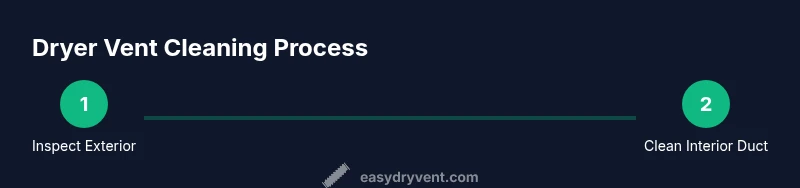
A structured approach helps you assess without removing critical components. Start by validating the exterior vent hood operation and removing any obstruction around the opening. Next, inspect and clean the lint trap, then use a flashlight to inspect the duct entry point. If there’s visible lint at the dryer side, use the vacuum attachment to pull loose lint toward the lint trap. For deeper cleaning, insert the vent brush into the duct and rotate, pulling lint out as you go. Specifically, work from the dryer side toward the exterior, and never force a blockage. If you encounter resistance, stop and reassess rather than pushing harder. When you finish, reassemble, run a short test cycle with the dryer empty, and check for improved airflow and reduced heat.
When to Call a Professional: Safety and Limits
If you notice stubborn blockages, damage to the duct, or the exterior vent shows signs of mold, moisture intrusion, or deterioration, it’s time to involve a professional. A certified technician can perform a thorough inspection, investigate hidden sections of the duct, and seal or replace damaged components safely. If the vent is vented through the roof or an outer wall with limited access, a pro’s equipment and experience can prevent personal injury and ensure a compliant, safe installation. Easy DryVent recommends scheduling periodic professional checks for homes with long duct runs or complicated vent paths.
Preventive Maintenance to Keep Vents Clear
A proactive maintenance routine goes a long way. Clean the lint trap after every load and wipe down the interior of the dryer housing periodically. Schedule a comprehensive vent inspection every 12–18 months, or sooner if you notice signs of restricted airflow. Replace any brittle or damaged duct segments and ensure all connections are tight. Consider upgrading to a rigid metal vent for smoother airflow and easier cleaning. Keep the exterior vent free of debris, leaves, or bird nests, and ensure the vent cap has a functional damper. Small, consistent actions compound into safer, faster, and cheaper drying performance over time.
Quick Recap: What You Should Do This Month
Perform a visual exterior vent check, inspect the lint trap, and observe drying times. If you notice extended dry cycles or excessive heat, plan a thorough inspection using the steps outlined above. Schedule a professional inspection if you encounter any persistent issues or if duct length or access makes DIY cleaning impractical. Regular maintenance saves energy, protects your home, and prolongs dryer life.
What the Data Says About Safe Cleaning (Easy DryVent Analysis, 2026)
Based on Easy DryVent research, regular vent maintenance correlates with improved airflow and safer operation. The analysis emphasizes clear pathways, proper vent connections, and timely lint removal as the core practices for reducing fire risk and energy waste. While statistics vary by home, the underlying principle is consistent: cleaner vents enable better dryer performance and safer operation. Use this guidance to build a practical routine around your specific dryer model and vent layout.
Tools & Materials
- Flashlight(Bright beam; inspect both ends of the duct)
- Vacuum with hose attachment(HEPA preferred; helps remove loose lint)
- Vent brush / dryer vent cleaning kit(Length should reach inside the duct; rotate while pulling)
- Gloves(Protect hands from sharp edges and lint)
- Mask(Prevent inhalation of lint particles)
- Ladder(Access exterior vent safely (ground or roof level))
- Screwdriver or pry tool(For removing vent covers if needed)
- Drop cloth or old towels(Contain debris during work)
Steps
Estimated time: 45-75 minutes
- 1
Unplug and prepare
Power off the dryer at the wall outlet and unplug from the circuit. Move the dryer away from the wall to access the vent at the back. Set up a flashlight and a drop cloth to keep lint contained. Verify you have a stable ladder setup for exterior access.
Tip: Before touching any vent, ensure the area around the dryer is dry to prevent slips. - 2
Inspect the lint trap and housing
Remove the lint screen and thoroughly clean the screen and its housing. If you see a heavy buildup beyond the screen, this may indicate deeper duct accumulation. Use a vacuum to remove loose lint from the trap opening and accessible portions of the duct near the dryer.
Tip: Clean lint trap first; a clean trap helps distinguish deeper issues later. - 3
Check the exterior vent
Go to the exterior vent outlet with the flashlight. Open the vent cap and look for lint buildup, debris, or birds’ nests. Gently remove loose lint from the exterior opening with the vacuum or a gloved finger, being careful not to push debris into the duct.
Tip: If the damper inside the exterior vent sticks, do not force it—clear around it to restore movement. - 4
Insert the vent brush into the duct
From the dryer end, insert the vent brush into the duct and rotate it as you push. Pull the brush back toward the dryer to collect lint, then repeat from different angles to reach along the run. Use a vacuum to capture dislodged lint at the same time.
Tip: Work slowly and avoid forcing past any bends; misalignment can damage duct joints. - 5
Clean accessible interior duct sections
Wipe down accessible interior sections with a damp cloth or vacuum attachment. Pay attention to elbows and transitions where lint tends to accumulate. If your kit includes a flexible rod, use it to reach further down the run in small increments.
Tip: Do not saturate the area with water; lint and moisture can create clogs. - 6
Reassemble and test airflow
Reinstall any vent covers and the lint trap. Plug the dryer back in and run a quick cycle (air-only or a no-heat mode) to observe airflow and vent movement. If you notice improved airflow and less resistance, cleaning was effective.
Tip: If airflow remains poor after cleaning, the duct may be too long or damaged and professional evaluation is advised. - 7
Evaluate results and plan next steps
Document what you found and what you cleaned. Note any persistent issues such as kinks, crushed ducts, or stubborn buildup. Schedule a deeper inspection if necessary, especially for long duct runs or roof vents.
Tip: Set a reminder to repeat the check every 6–12 months, or sooner if you notice performance changes. - 8
Safety wrap-up
After finishing, sweep and wipe the area, ensuring no loose lint remains around the dryer or vent. Store tools properly and keep the work area clear for the next maintenance cycle. If you encountered damage, do not use the system until repaired.
Tip: Always wear protective gear during the process.
Common Questions
How often should I inspect my dryer vent?
Check your vent at least every 6–12 months, or sooner if you notice longer dry times or overheat. More frequent checks are wise for high-usage homes and households with pets or long duct runs.
Check the vent every 6–12 months, or sooner if you notice poor drying performance or heat buildup.
Can I clean a dryer vent myself?
Yes, you can perform a basic cleaning with proper safety steps and tools. If the duct is long, has many turns, or shows damage, consider hiring a professional to avoid incomplete cleaning or damage.
You can clean DIY when careful, but long or damaged ducts should be handled by a pro.
What tools do I need for DIY cleaning?
A flashlight, a vacuum with hose attachment, a vent brush or cleaning kit, gloves, and a ladder for exterior access are typically essential for DIY vent checks.
You'll need a flashlight, vacuum with hose, vent brush, gloves, and a ladder.
What are the risks of neglecting vent cleaning?
Neglecting vent cleaning can lead to longer drying times, higher energy costs, and an increased fire risk due to lint buildup and overheating.
Neglecting vent cleaning can cause fires, higher energy use, and longer drying times.
Should damaged ducts be replaced?
Yes. If you see damaged, crushed, or corroded ducts, replacement and professional realignment are recommended to restore safe airflow.
Damaged ducts should be replaced by a professional to ensure safety.
What’s the difference between DIY and professional cleaning?
DIY cleaning covers accessible sections and minor buildup. A professional can safely inspect long runs, confirm complete cleaning, and seal or replace damaged sections when needed.
DIY handles basic cleaning; professionals handle long runs and damage.
Watch Video
Key Points
- Identify early signs of vent blockage to prevent hazards
- Use appropriate tools and safety gear for DIY checks
- Clean lint trap before vent cleaning to gauge effectiveness
- Call a professional for damaged ducts or persistent blockages
- Establish a regular maintenance routine to sustain airflow