What kind of dryer sheets to use for baby clothes
Learn how to choose fragrance-free, dye-free dryer sheets for baby clothes, or use safer alternatives. Easy DryVent provides practical tips to protect delicate baby skin and maintain fabric softness without irritating residues.


You will learn how to choose safe, gentle dryer options for baby clothes, including whether to use dryer sheets, and what ingredients to avoid. Key requirements: unscented or fragrance-free products, dye-free formulas, and compatibility with fabric care labels. Follow this guide to reduce skin irritation and protect sensitive baby skin.
Why baby skin safety matters with dryer sheets
Baby skin is more delicate and absorbs more substances from fabrics than adult skin. When you ask what kind of dryer sheets to use for baby clothes, the goal is to minimize irritation from fragrances, dyes, and chemical residues that can stay on fabrics after drying. According to Easy DryVent, even small exposures to irritants can affect babies with sensitive skin, eczema-prone areas, or developing respiratory systems. Choosing gentler drying options helps maintain softness without compromising breathability or comfort. In practice, this means evaluating whether a dryer sheet is truly fragrance-free, dye-free, and compatible with the fabrics you wash for your child. If you’re unsure, start with a test load on a single item and observe any signs of discomfort or irritation.
For many families, eliminating fragrances from the laundry cycle reduces the risk of skin redness, itching, or rash around the neck, wrists, and tummy where clothing rests. The goal is not to shock the system with harsh chemicals but to preserve natural fiber feel and airiness. If a baby has known sensitivities, always consult a pediatrician before introducing any scented product to the laundry routine. The Easy DryVent team emphasizes gradual changes and careful observation when adopting new products for infant garments.
What ingredients to avoid
Understanding which ingredients to avoid is essential when you’re choosing dryer sheets for baby clothes. Fragrances and essential oils are the most common irritants and should be avoided on items that touch a baby’s skin, especially for newborns and infants with sensitive or reactive skin. Dye-based formulas are another consideration; dyes can transfer to fabrics and linger on soft fabrics, potentially causing irritation in contact areas like the cheeks and hands. Some dryer sheets also contain quaternary ammonium compounds, which can leave a light film on fabrics and reduce breathability. To minimize risk, look for products labeled as fragrance-free or unscented and dye-free. If a product makes claims such as “hypoallergenic,” verify the claim against independent testing or dermatology assessments. The priority is gentle, breathable fabrics rather than heavy chemical residues that stay on clothes after drying. Easy DryVent’s guidance reinforces avoiding fragrance-laden or chemically intense options for infant garments.
Safer alternatives to dryer sheets
If you’re uncertain about dryer sheets, there are practical, baby-safe alternatives. Drying without sheets is perfectly acceptable and can prevent any residue on delicate fabrics. For softening and reducing static, consider wool dryer balls or cotton dryer balls; these natural alternatives can soften fabrics without introducing chemical residues. If you still want a commercial option, choose fragrance-free, dye-free dryer sheets and use them sparingly—only on the smallest, least-contact areas, or for fabrics that tolerate softening well. Vinegar is another natural option to soften fabrics and reduce static when used in the rinse cycle in small amounts (about 1/4 to 1/2 cup per load, depending on load size). Always run a small test first to ensure the baby’s skin remains comfortable. The Easy DryVent approach supports using unscented methods and experimenting with fabric-softening alternatives that minimize exposure potential for infants.
How to read labels and choose products
Product labels tell the story behind a dryer sheet’s safety profile. Start by scanning for explicit phrases like “fragrance-free,” “unscented,” and “dye-free.” Look for terms such as “hypoallergenic” with caution, understanding that marketing terms may vary, and read the ingredient list for sources of fragrance or essential oils. Some brands disclose the presence of any fragrance clearly on the front, while others place it in the fine print. If a brand claims dermatological testing or infant-specific use, verify these claims and check for certifications from recognized organizations. Always prioritize products with simple ingredient lists and avoid rows crowded with long chemical names you cannot recognize. The Easy DryVent team suggests building a short checklist: fragrance-free, dye-free, and hypoallergenic with minimal additives or additives claimed to be baby-safe. This makes it easier to compare options and reduce decision fatigue while keeping baby skin safety at the forefront.
Practical drying routine for baby clothes
A careful drying routine helps protect baby clothes from wear and perfume residues. Start by washing baby clothes with a gentle, dermatologist-tested detergent free of dyes and perfumes. After washing, avoid high-heat drying; instead, choose a low-heat or delicate cycle to minimize fiber stress and potential irritation. If you add a dryer sheet, prefer fragrance-free options and place the sheet in the dryer in a way that minimizes direct contact with baby garments—placing it in the drum’s side or using a dryer sheet liner can help distribute softening more evenly. Alternatively, use wool dryer balls to reduce static and help clothes dry more evenly. For extra caution, run a short test on a single item and inspect for any residue or stiffness before laundering larger batches. This approach aligns with Easy DryVent’s safety-first stance for infant laundry routine optimization.
The Easy DryVent approach to baby clothes care
Easy DryVent recommends prioritizing baby-safety first: choose fragrance-free and dye-free products, or skip dryer sheets altogether when possible. If you opt to use a dryer sheet, limit exposure by using a single sheet per load and ensuring it never touches the baby clothes directly. The team also highlights the value of non-chemical options like wool dryer balls and natural rinses to maintain softness without introducing residues. Following these practices can reduce skin irritation and keep outfits comfortable against delicate skin. In all decisions, consider your child’s unique sensitivities and adjust routines accordingly; this very practical approach keeps baby comfort at the center of the laundry process.
Quick checklist for baby clothes drying
- Use fragrance-free, dye-free products when necessary
- Consider wool dryer balls instead of sheets to minimize residues
- Dry on low heat to protect fabric integrity and comfort
- Do selective testing with items prone to irritation
- Regularly inspect fabrics for any residue or stiffness
This checklist helps busy caregivers implement safer routines without sacrificing fabric softness or reliability. Remember to adapt the routine to your baby’s needs and consult a pediatrician if you notice persistent skin reactions.
Final note on baby-safe drying practices
Choosing what kind of dryer sheets to use for baby clothes is about prioritizing gentle formulations and minimizing potential irritants. If you choose to use any dryer sheet, ensure it is fragrance-free and dye-free, and consider safer alternatives that achieve similar softness without introducing residue. The Easy DryVent team emphasizes that a thoughtful, safety-first approach—paired with ongoing observation of the baby’s comfort—provides the best path to soft, clean, and irritation-free baby clothing.
Tools & Materials
- Unscented/fragrance-free dryer sheets (optional)(Choose fragrance-free, dye-free options if using; otherwise skip.)
- Wool dryer balls(Natural alternative to reduce static without chemicals.)
- White vinegar (optional, rinse aid)(Use in small amounts to soften fabrics; avoid direct contact with skin.)
- Measuring cup and measuring spoons(Helpful for controlled use of vinegar or liquids in a rinse cycle.)
Steps
Estimated time: 25-40 minutes
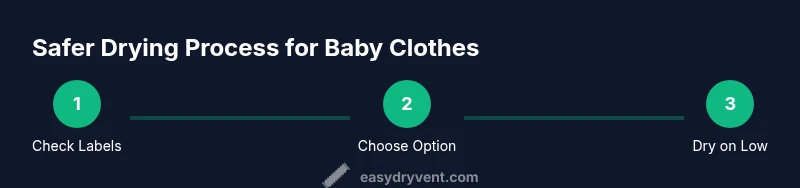
- 1
Check fabric care labels
Inspect each baby garment’s care label to confirm compatible drying temperatures and whether any additives are advised or discouraged. This ensures you don’t damage delicate fabrics and avoids introducing irritants where not recommended.
Tip: Always test a single item first if you’re trying a new product or method. - 2
Decide on dryer sheet usage
Choose fragrance-free, dye-free options if you plan to use dryer sheets, or opt for gentle alternatives like wool dryer balls. This step reduces the risk of residue on baby clothes while preserving softness.
Tip: If in doubt, skip dryer sheets and rely on wool dryer balls for natural softness. - 3
Prepare the laundry load
Sort clothes by fabric type and weight. Place a smaller amount of detergent that’s suitable for babies and avoid overloading the dryer to promote even drying and minimize friction.
Tip: Leave space for the items to tumble freely for best results. - 4
Set the dryer to low heat
Select a delicate or low-heat cycle to prevent heat-related fabric wear and reduce static buildup. This also helps keep fragrances from becoming concentrated on fabrics.
Tip: If your dryer has a moisture sensor, use it to avoid over-drying. - 5
Use safe softening methods
If you choose to use a dryer sheet, place it where it will not directly contact baby clothes, or opt for wool balls to achieve softness without residues. Alternatively, consider a vinegar rinse in the washing cycle for a natural softening effect.
Tip: Remember: less is more—one sheet or a couple of wool balls per load is often enough. - 6
Inspect and air out if needed
After drying, check clothing for any residue or stiffness. If detected, run a quick freshen cycle with plain water or air dry for a short period to refresh fabrics before wearing.
Tip: If skin irritation occurs, pause use of dryer sheets and reassess the routine.
Common Questions
Are dryer sheets safe for baby clothes?
Dryer sheets can leave chemical residues on fabrics. For baby clothes, choose fragrance-free, dye-free options or skip sheets altogether and rely on natural alternatives like wool dryer balls.
Dryer sheets may leave residues on baby clothing, so opt for fragrance-free options or skip them and use wool dryer balls instead.
Can scented dryer sheets cause skin reactions on babies?
Yes. Fragrances and essential oils can irritate sensitive baby skin. If you notice redness or itching, discontinue use and switch to unscented products or alternatives.
Scented sheets can irritate baby skin; switch to unscented options or alternatives if you see irritation.
What should I look for on labels when choosing dryer sheets for babies?
Look for claims like fragrance-free, unscented, and dye-free. Verify any 'hypoallergenic' claims and prefer simple ingredient lists with minimal additives.
Check for fragrance-free, unscented, and dye-free labels and keep an eye on simple ingredient lists.
Are there safe alternatives to dryer sheets for baby clothes?
Yes. Wool dryer balls, air-drying when possible, or a vinegar rinse in the wash can soften fabrics without residues. These options reduce exposure to potential irritants.
Yes—try wool dryer balls or vinegar rinses to soften fabrics without residues.
If I have a baby with sensitive skin, should I consult a professional?
Absolutely. If your baby has persistent irritation, consult a pediatrician or dermatologist for tailored guidelines on laundry products and routines.
Consult a pediatrician if irritation persists; they can tailor guidance for your baby’s skin.
Is it okay to mix different baby clothes with regular laundry?
Try to keep baby clothes separate when possible to limit exposure to any residual chemicals from detergents or softeners. Use gentle, baby-focused detergents for these loads.
Keep baby clothes separate when possible and use gentle detergents.
Watch Video
Key Points
- Choose fragrance-free, dye-free options when using dryer sheets.
- Consider alternatives like wool dryer balls to reduce residue.
- Dry on low heat to protect fabrics and skin.
- Read labels carefully and test new products on a small item.
- Observe baby skin for irritation and adjust routine accordingly.